On learning from the past by Camille Aubry

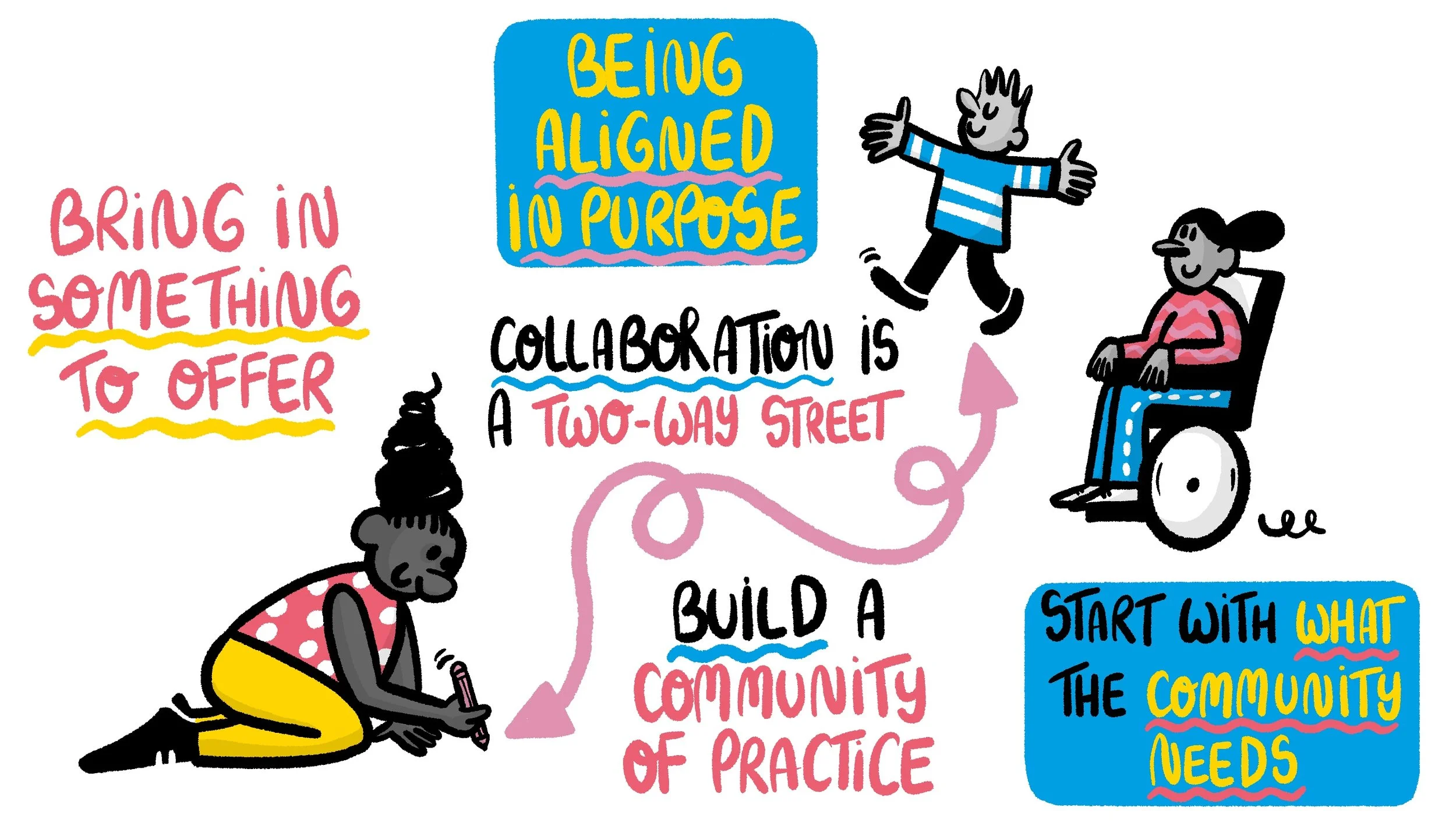
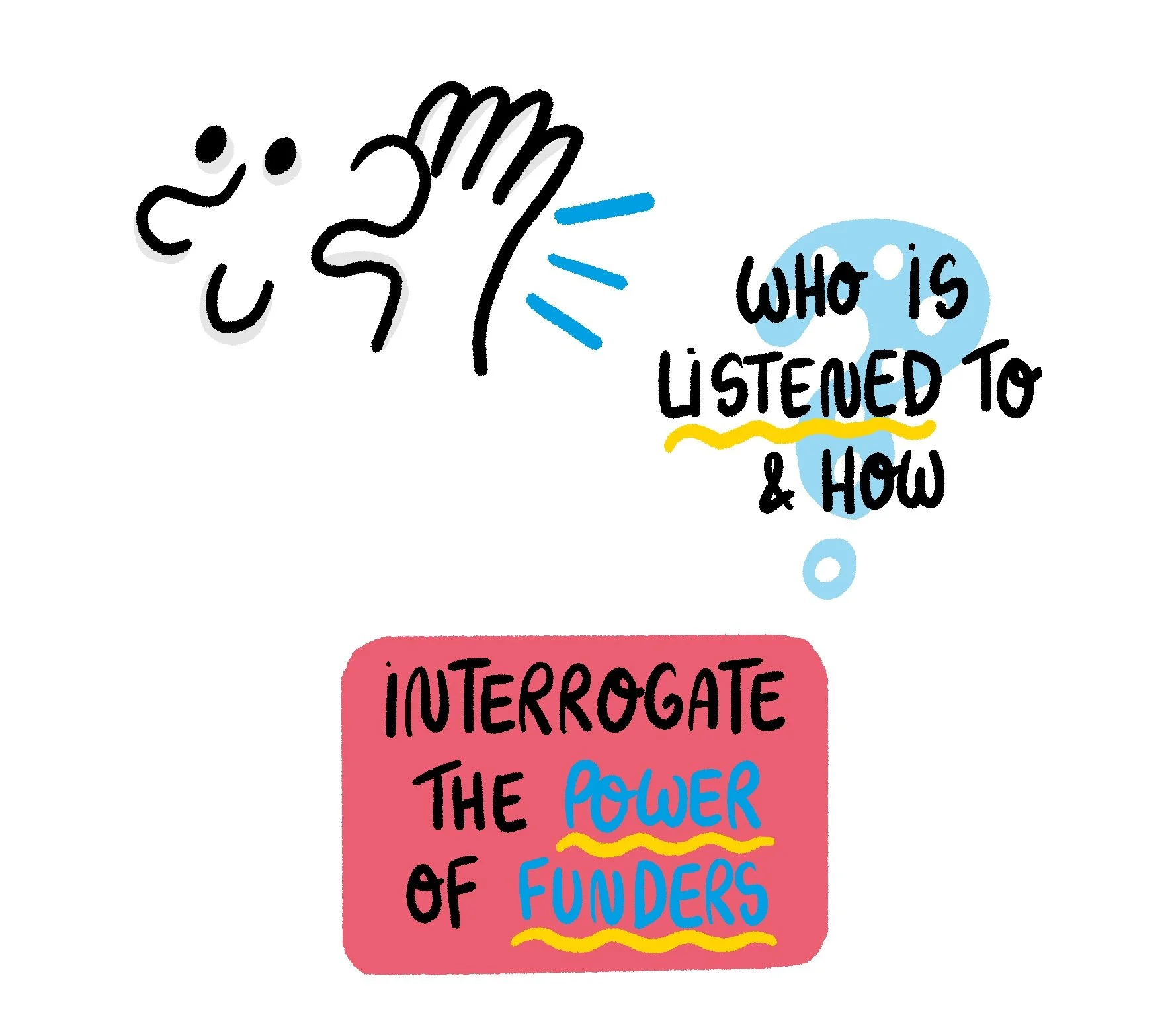
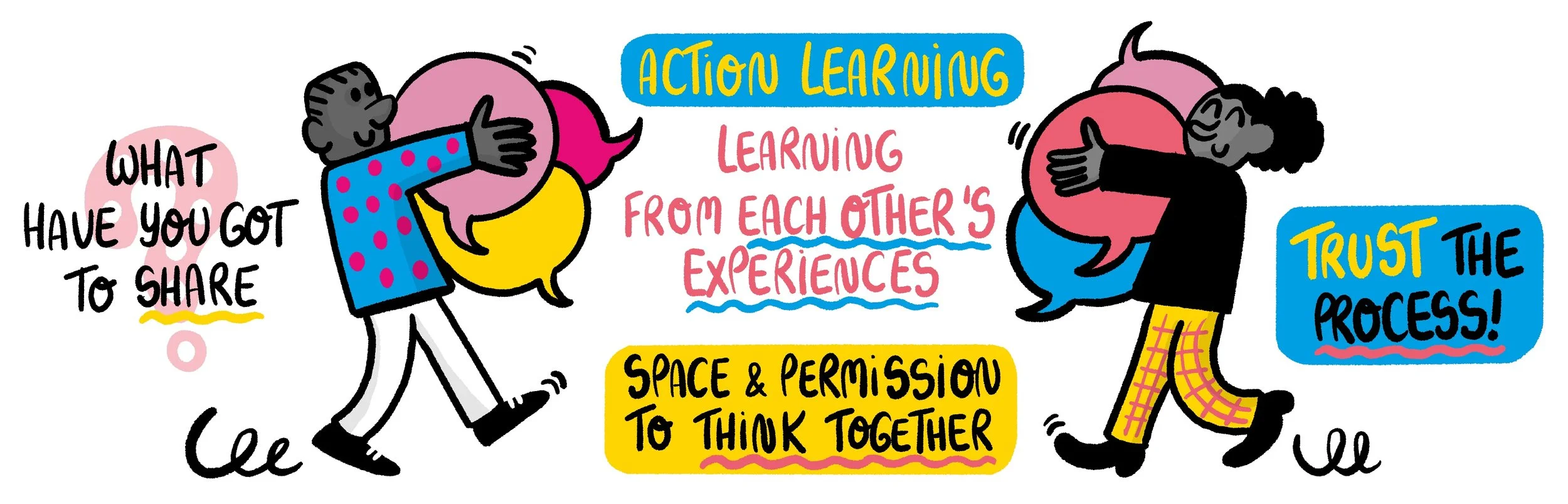
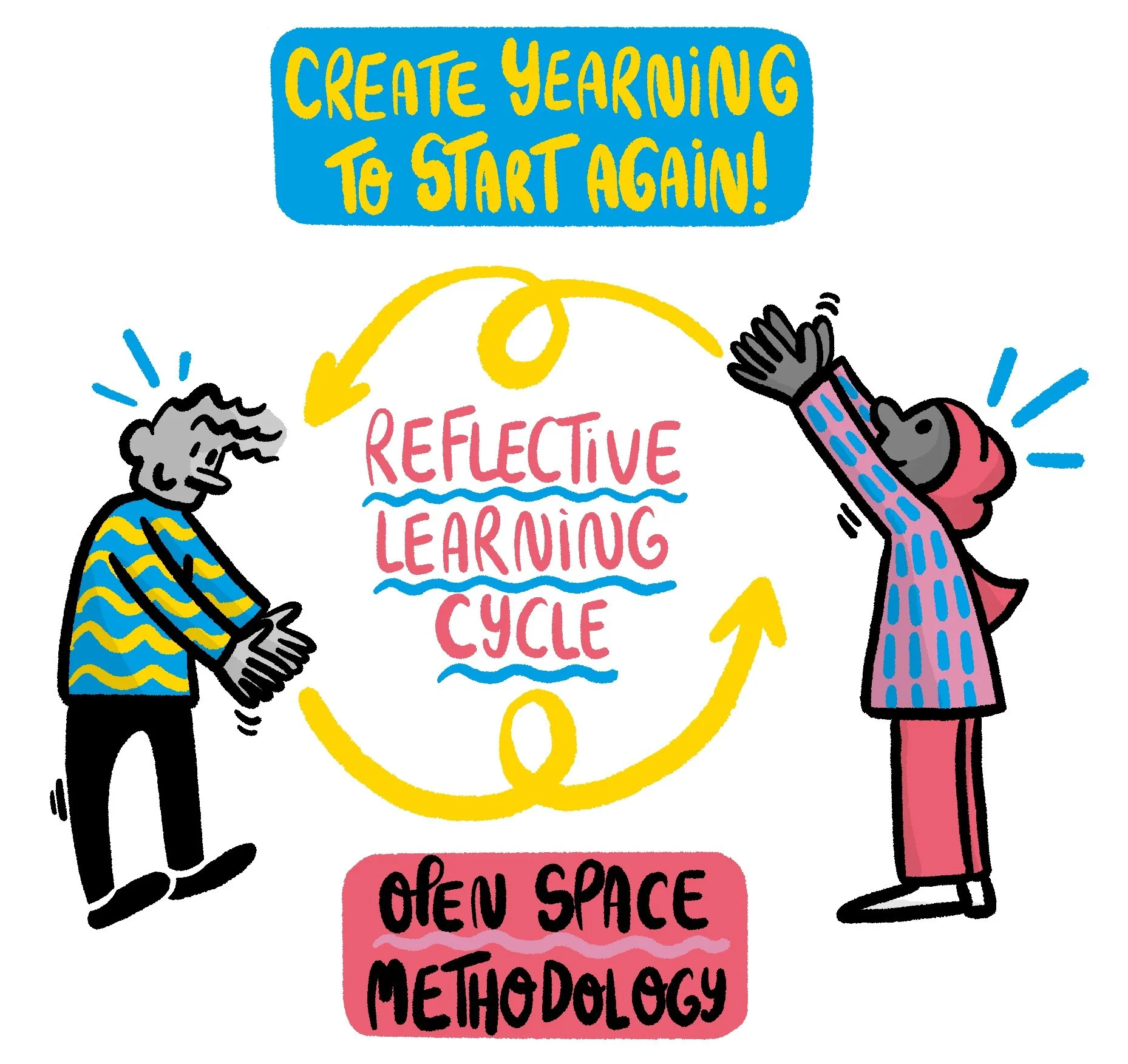
I was very excited when historian Dr Clare Siviter got in touch to ask me to live illustrate her Inspiring Women talk hosted by Bristol Women’s Voice. As part of her research in French theatre, Clare focused on three historical examples of actresses and working mothers - Louise Contat (1760-1830), Joséphine Duchesnois (1777-1830) and the mother of Mademoiselle George (1787-1867). She used their stories to reflect on the struggles working mothers face today and what we can do about it.

One key fact that made me snort out loud (especially as a French mother myself that keeps hearing about how Frnace is “better” than England for working parents) was that my France-based friends currently have less paid mat leave than an actress in 1803. Yep. You’ve read that right. Luckily I was able to comfort myself by drawing 19th century dresses. Let’s remember how much history, sometimes, can be ahead of us.

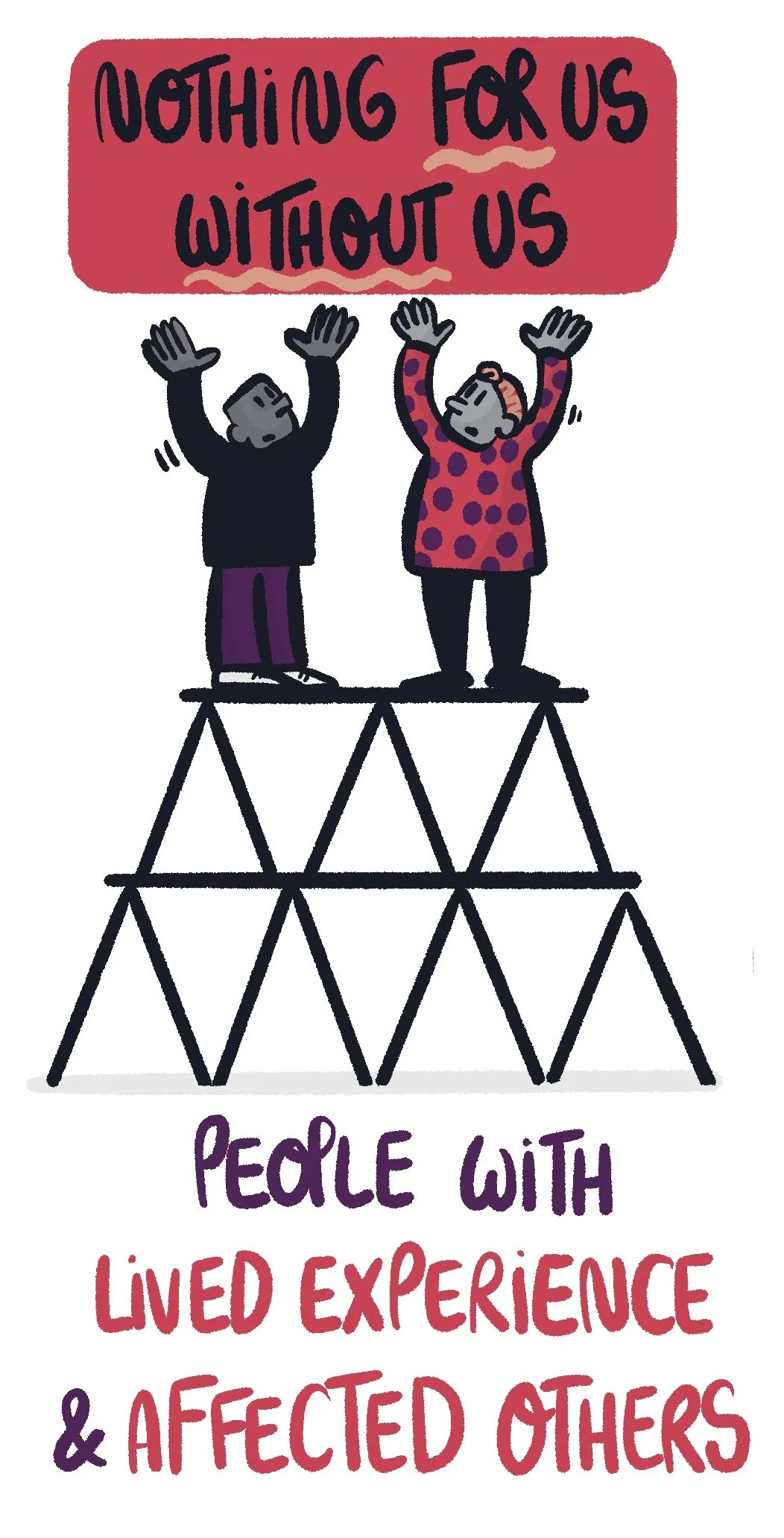
NOTHING FOR US WITHOUT US by Camille Aubry

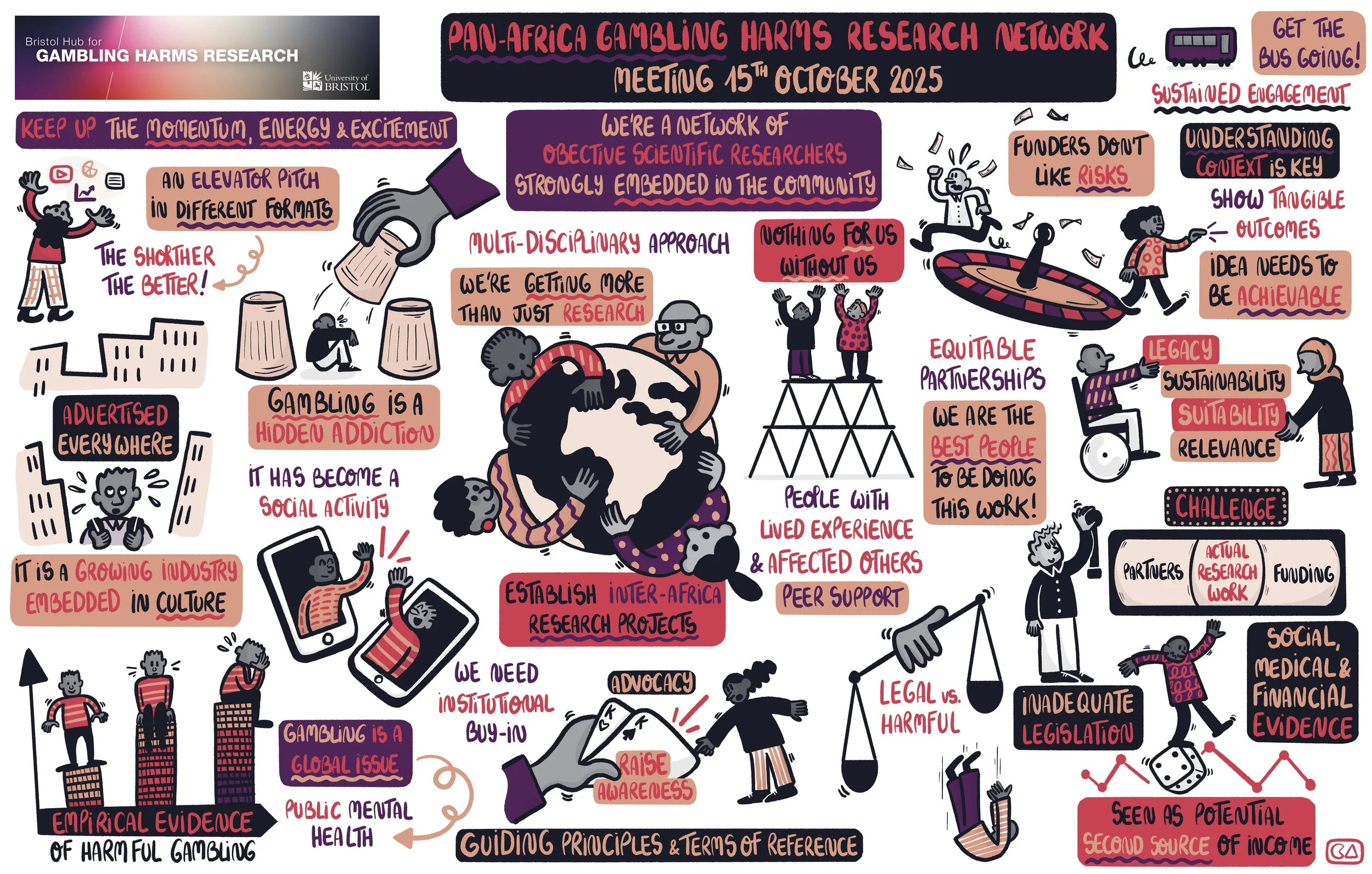
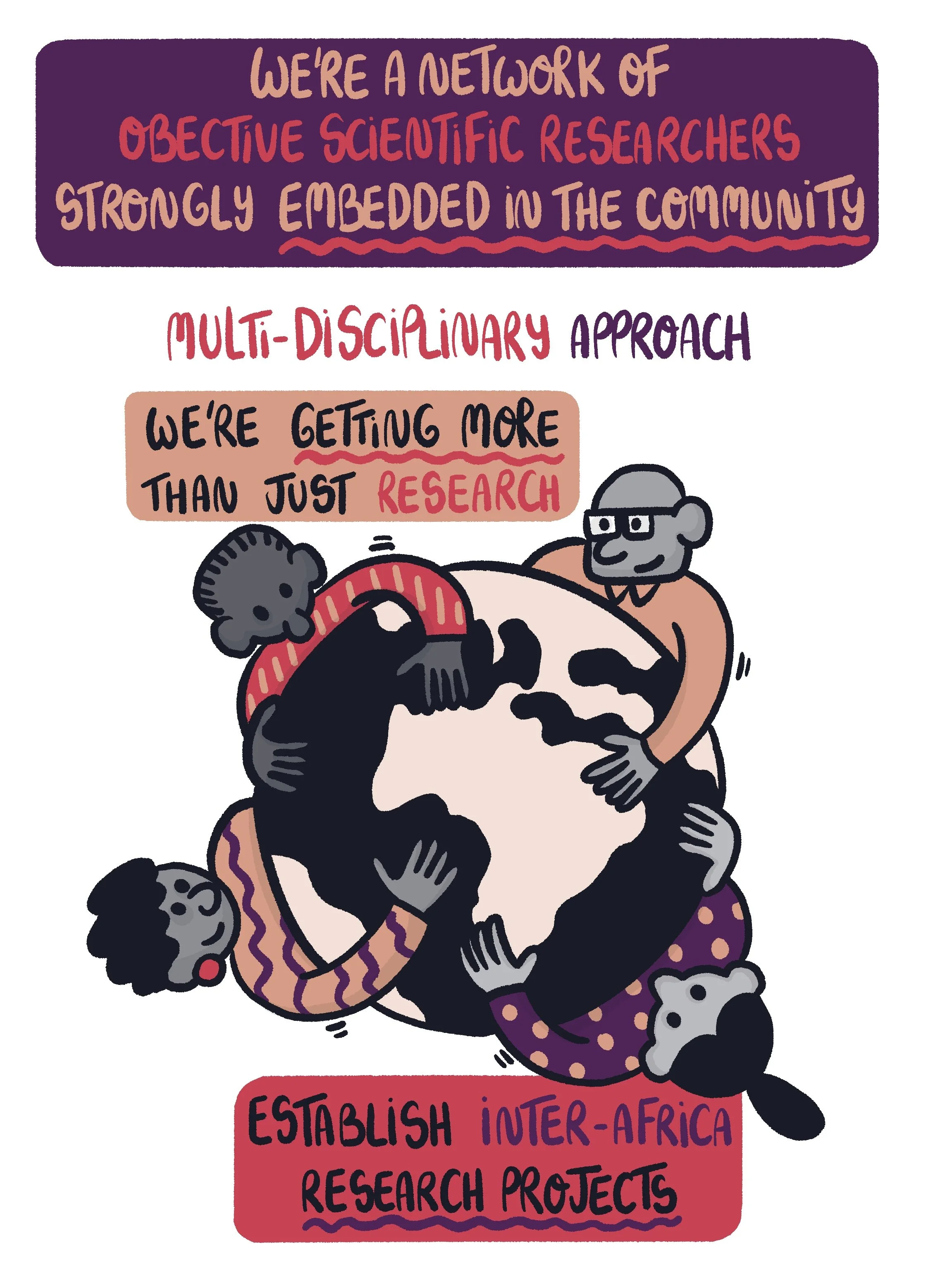
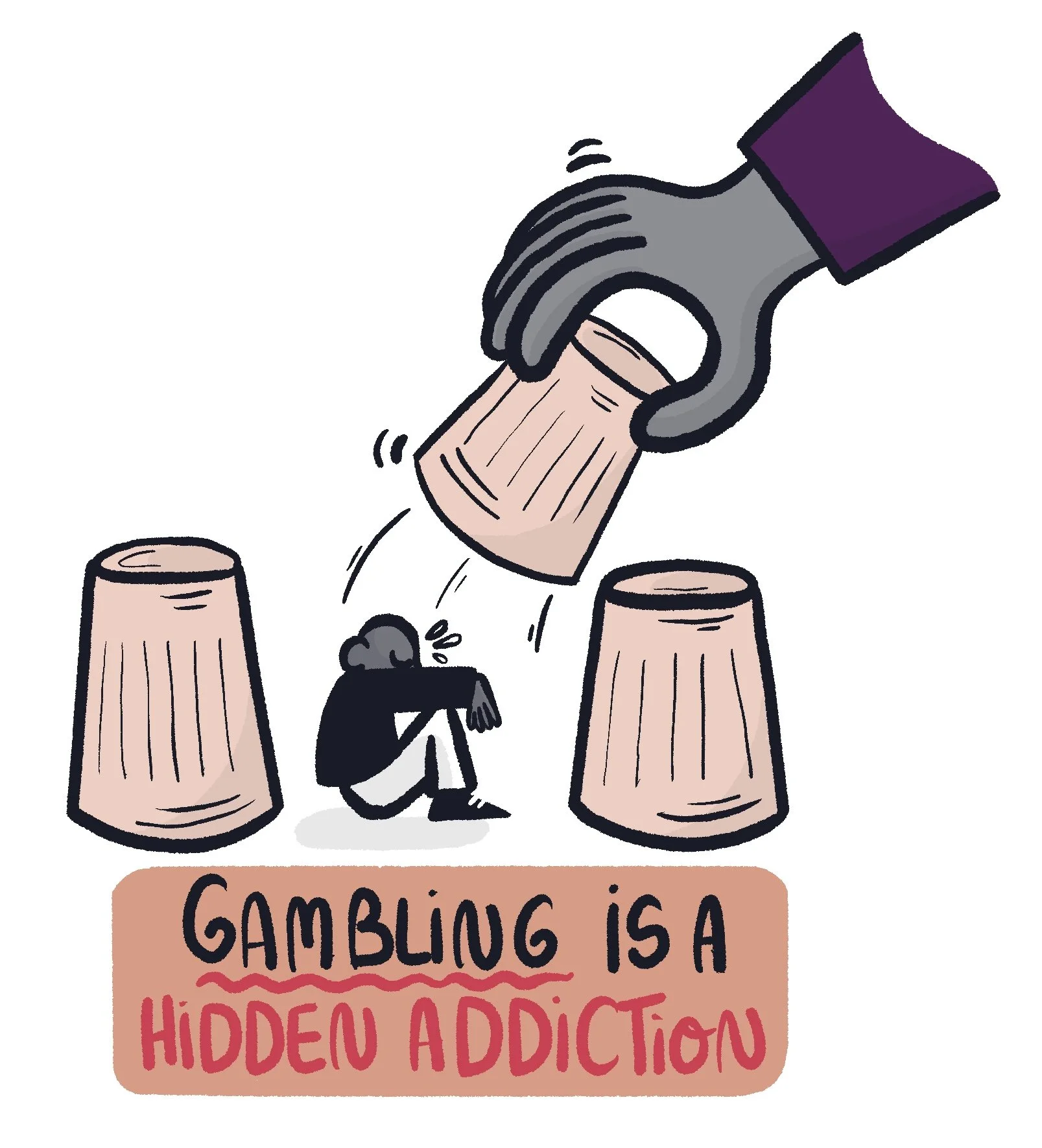
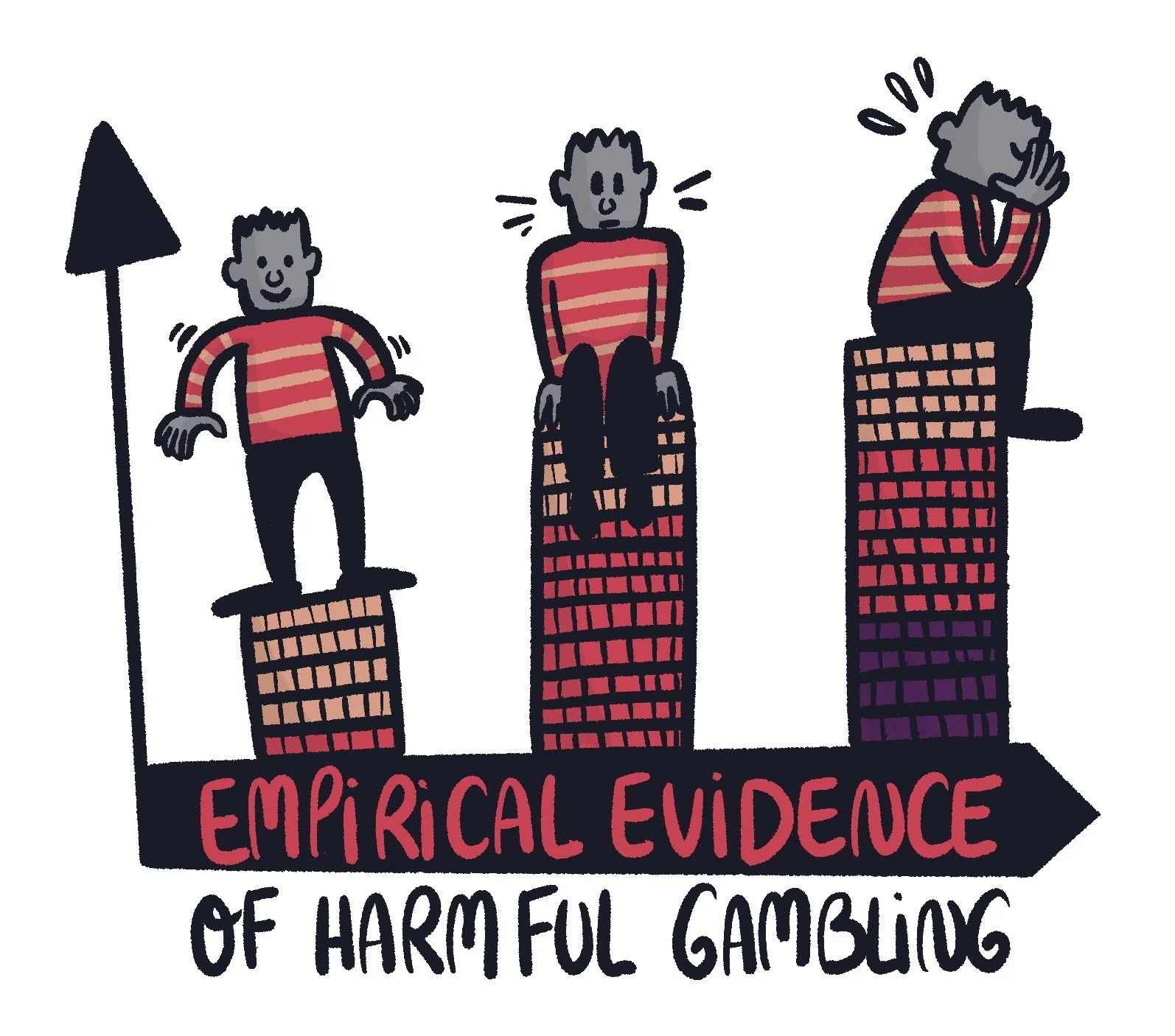
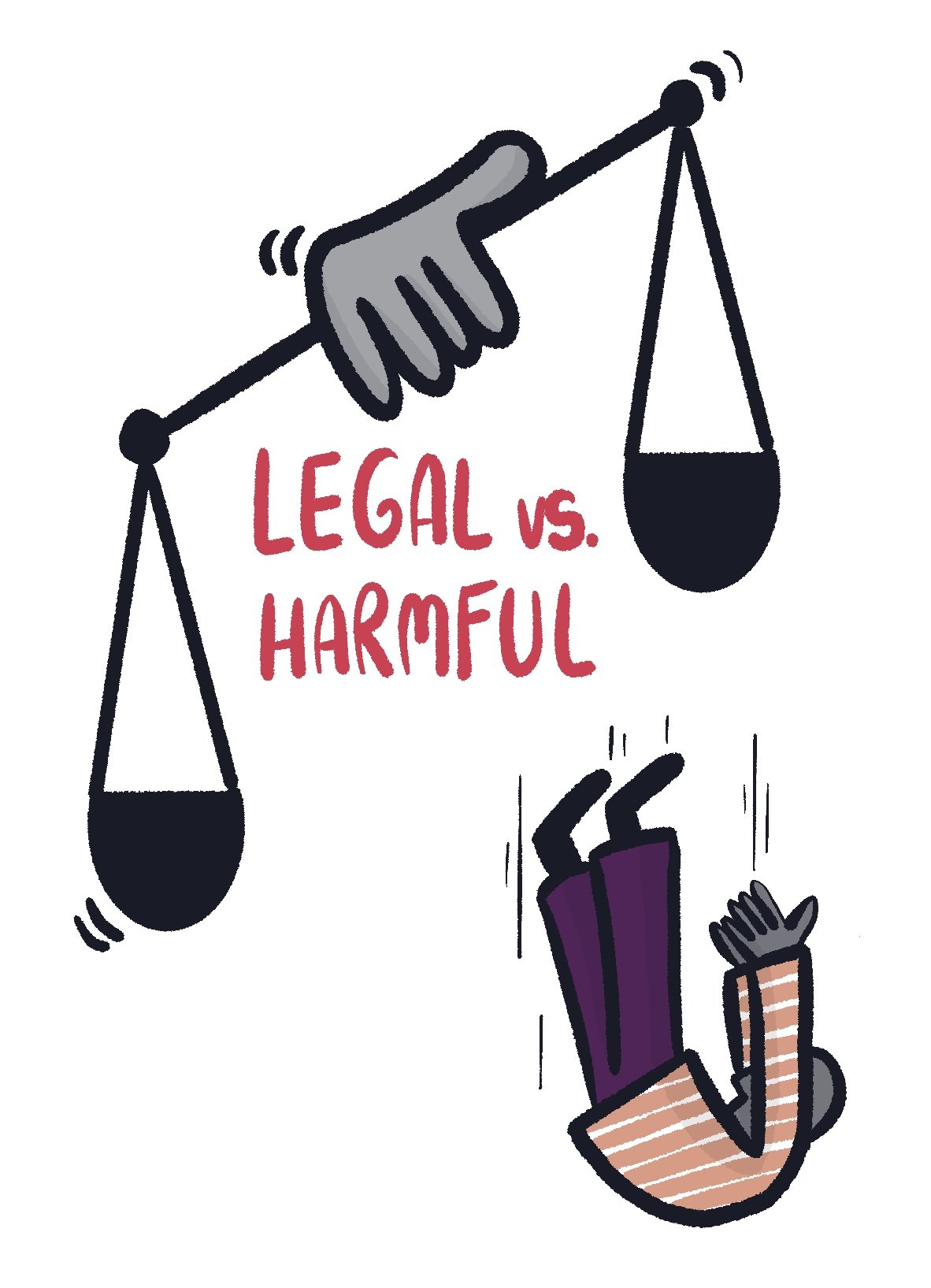
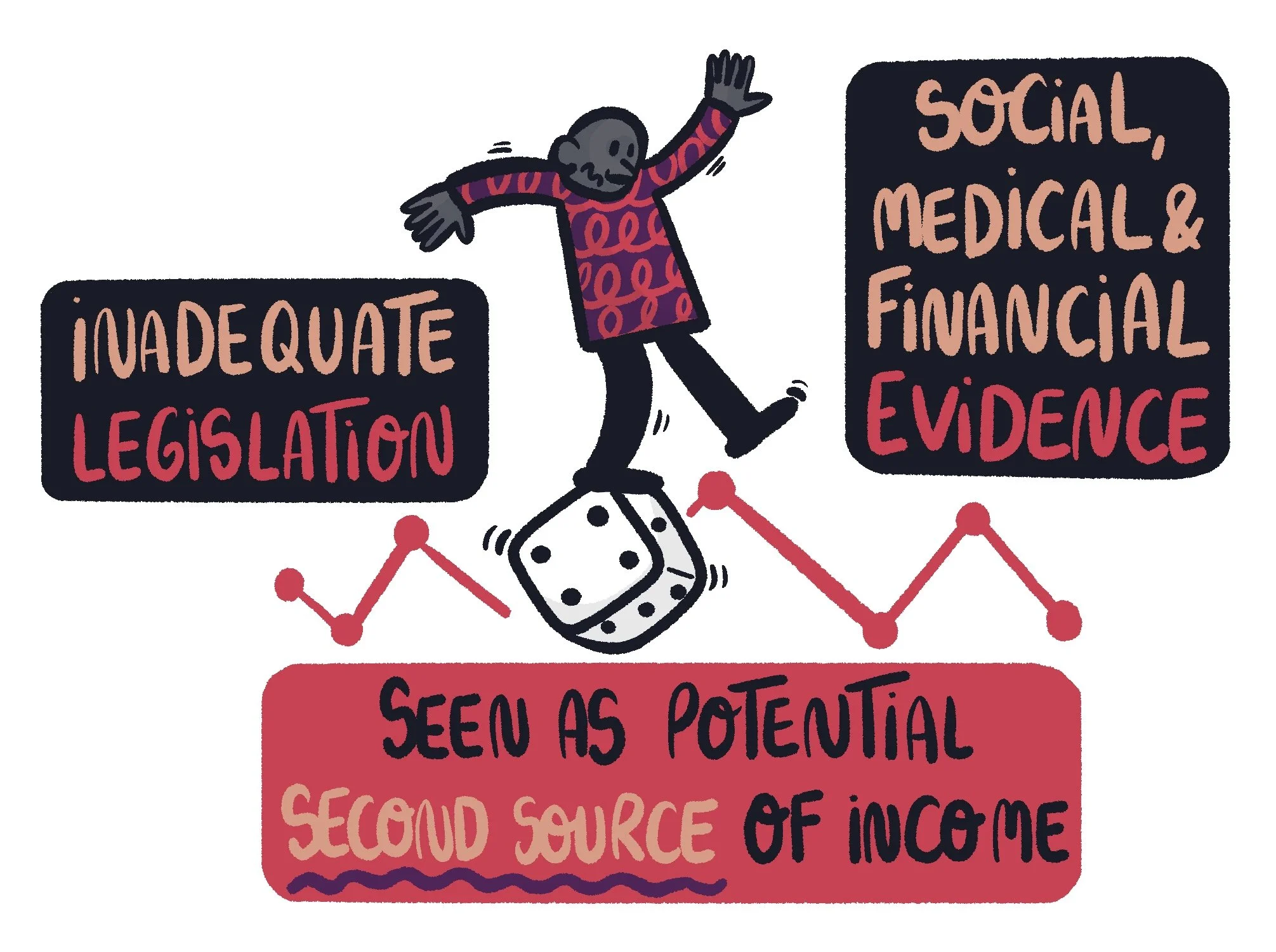
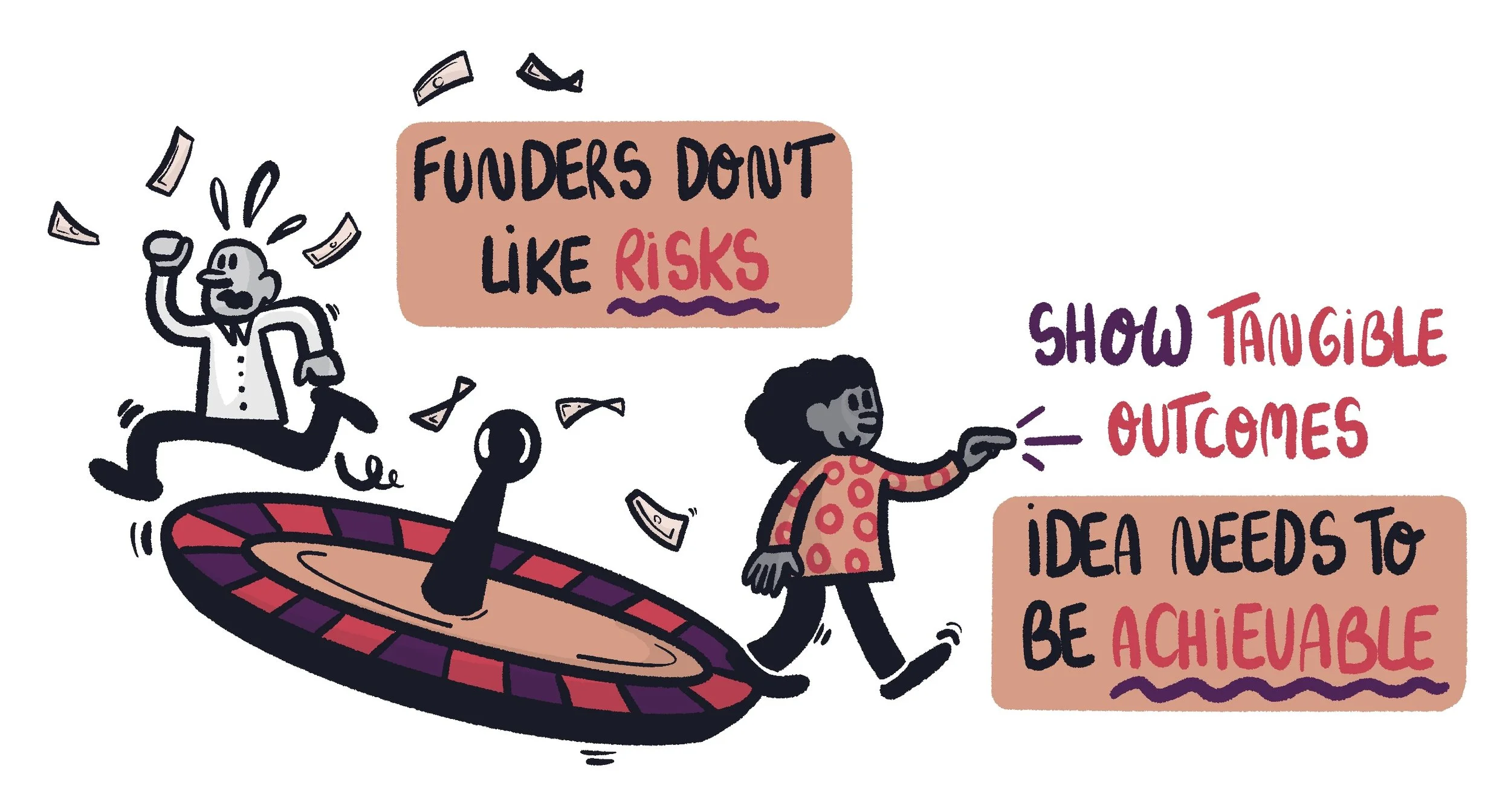
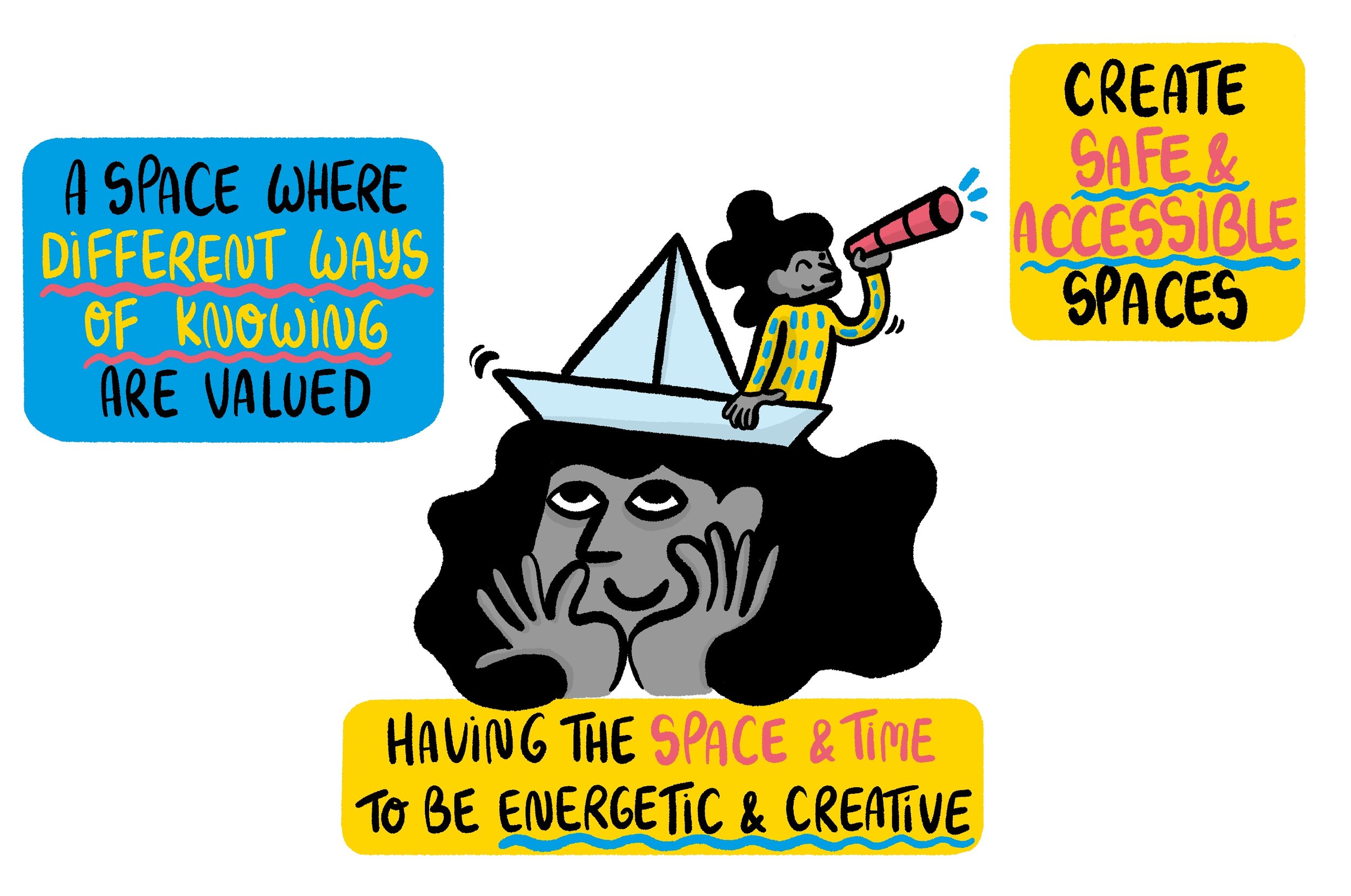
The Bristol Hub For Gambling Harms Research facilitated the Pan-Africa Gambling Harms Research Network meeting this October, gathering research collaborators from South Africa, Kenya, Namibia and Uganda. The purpose of the meeting was to identify goals and success measures, funding sources, as well as draft an elevator pitch for their research initiative.

I was very honoured to be invited to live illustrate this fascinating event, learn more about the challenges caused by the gambling culture across the African continent and capture how the network’s multi-disciplinary approach can provide key evidences and outcomes by being strongly embedded in the community.

CiviCon25 by Camille Aubry

Last week civic practitioners, academics and professionals from across the country came together to celebrate civic collaboration during a two-day conference in Sheffield. CiviCon25 featured practical workshops, case studies and panel discussions aiming to strengthen the civic impact of higher education institutions in the UK.

It was a honour to be invited by impact partner and community research leader Young Foundation to live illustrate the event and visually highlight the local impact of universities and how they can take their civi duties to the next level.

Find out more about CiviCon25 here.

On Breastfeeding Support by Camille Aubry

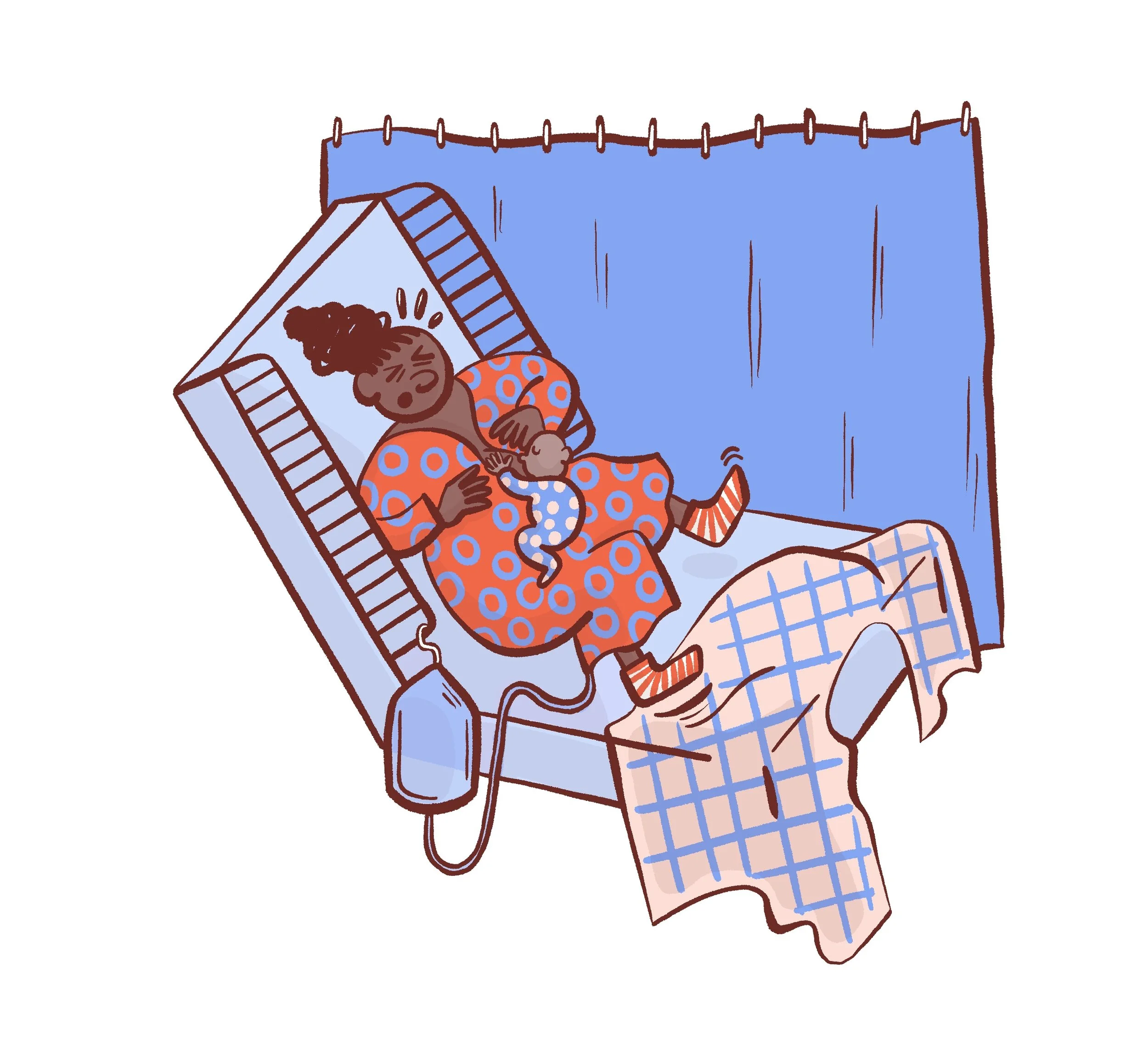
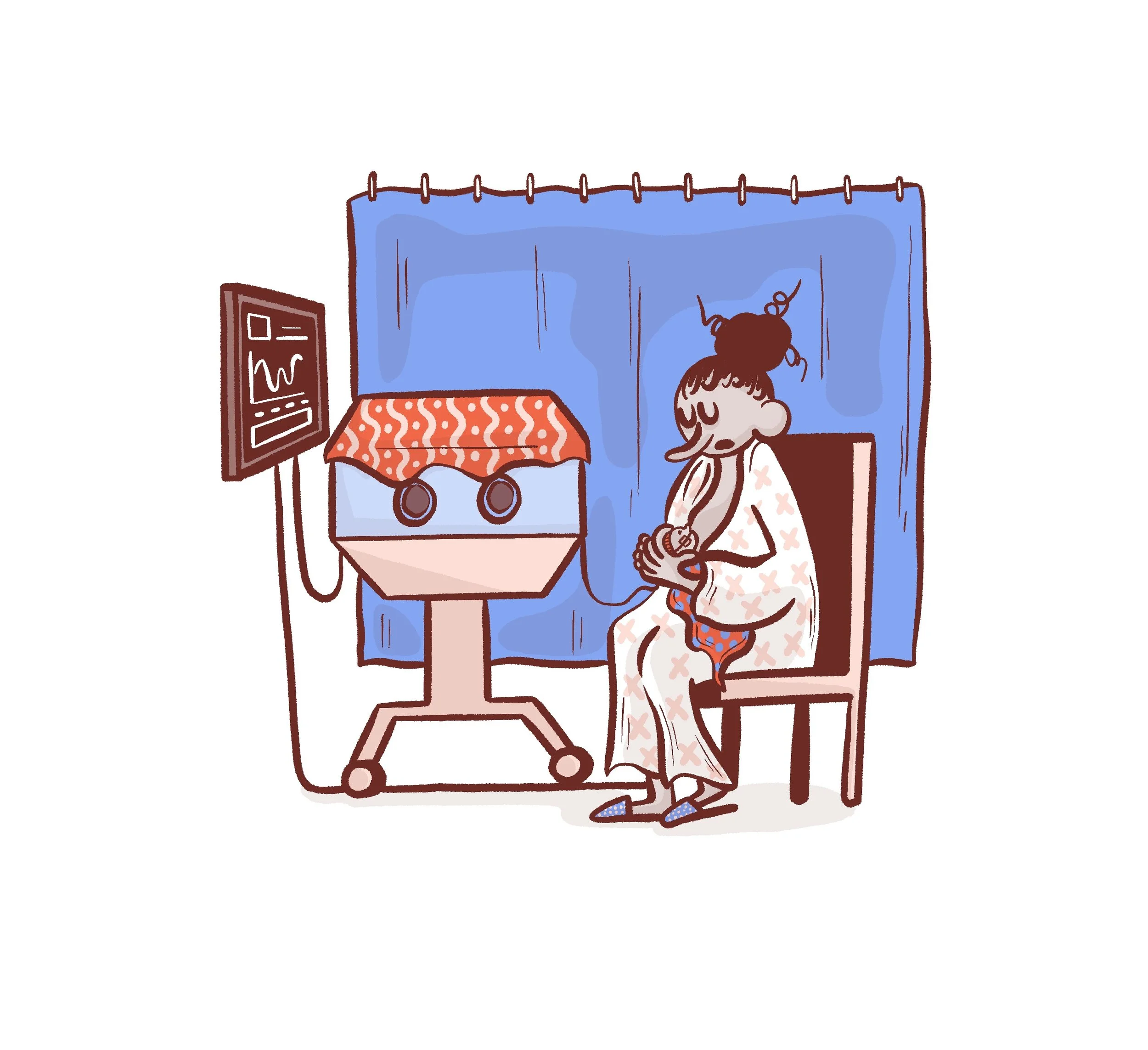
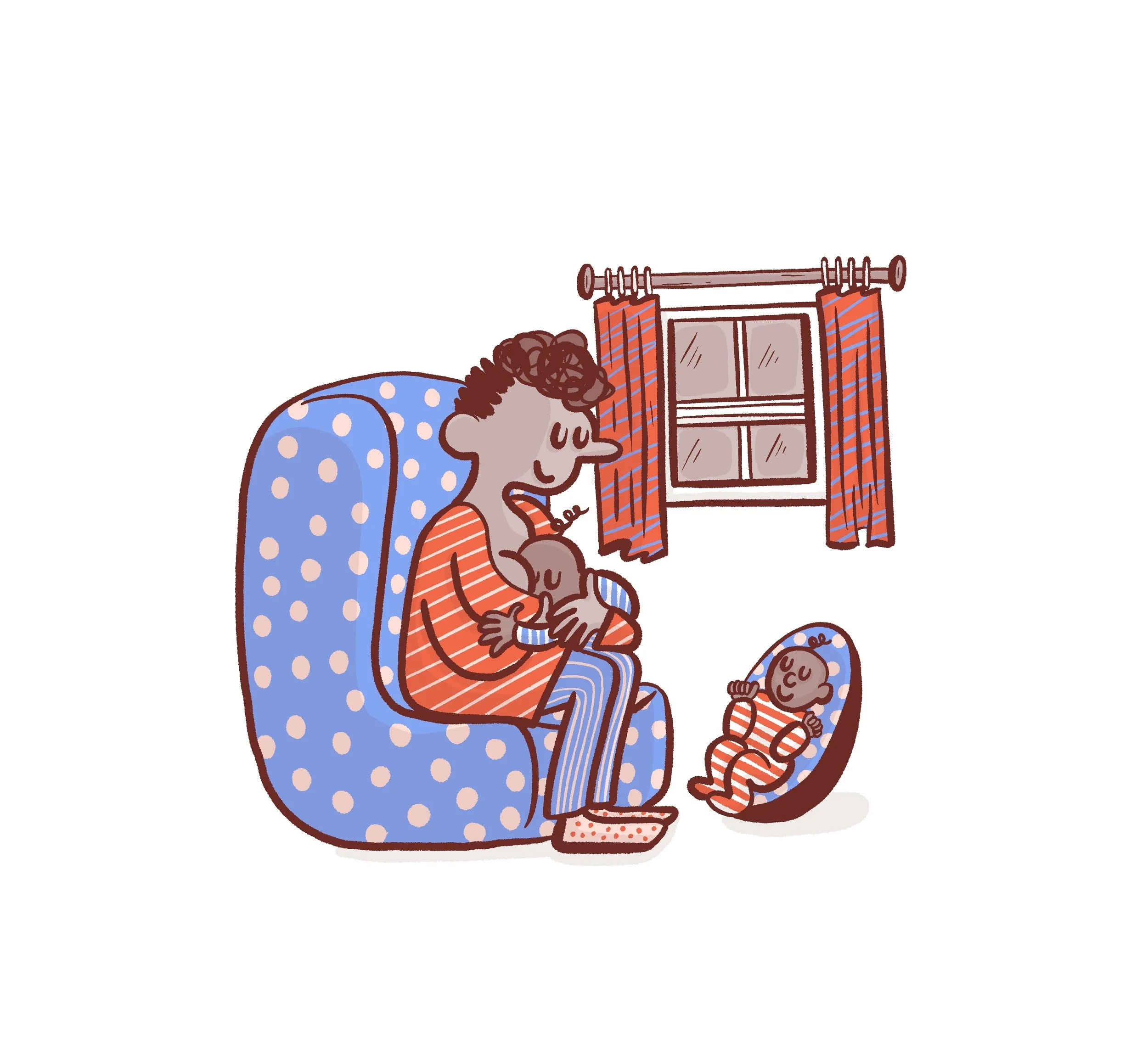
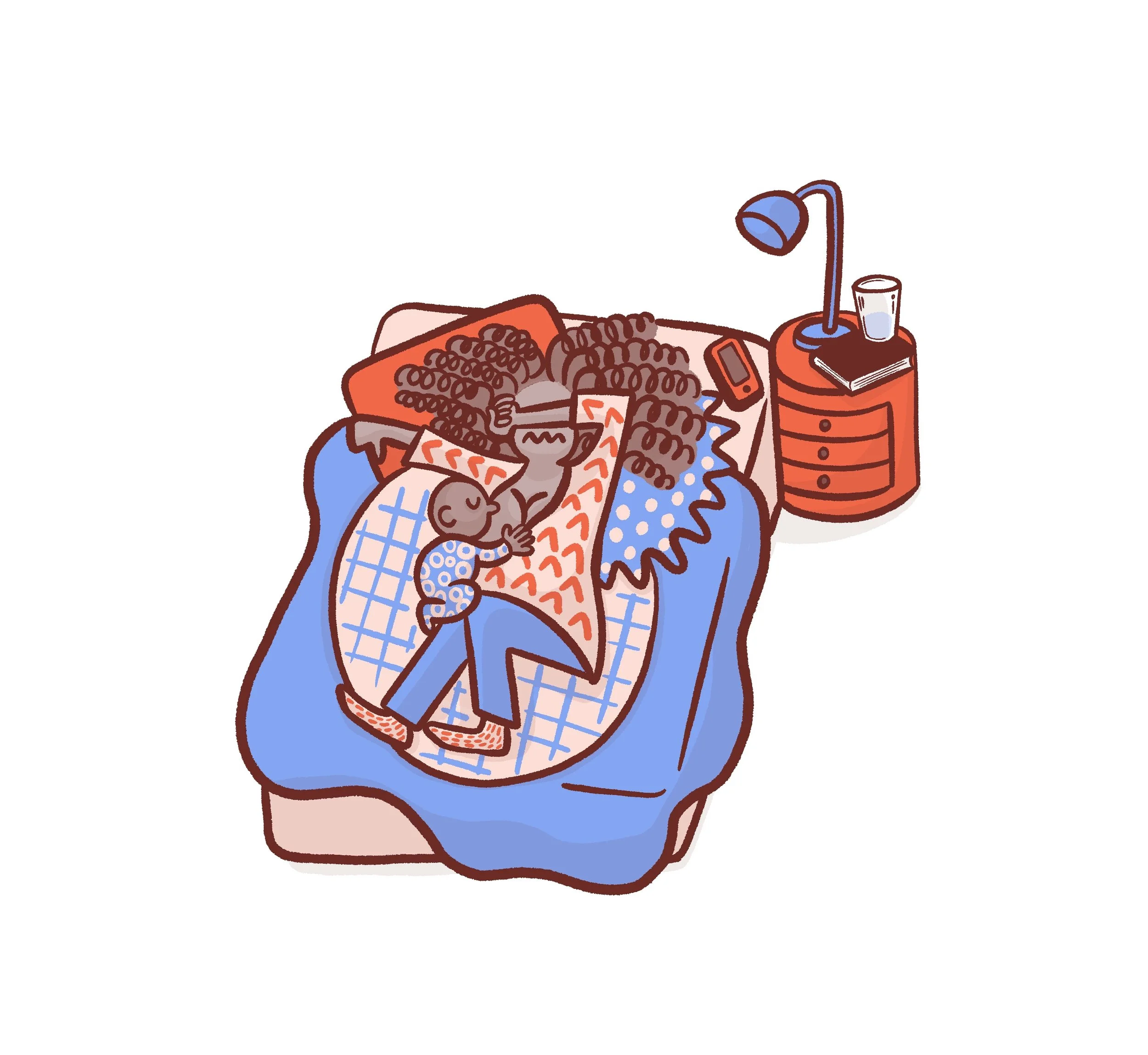
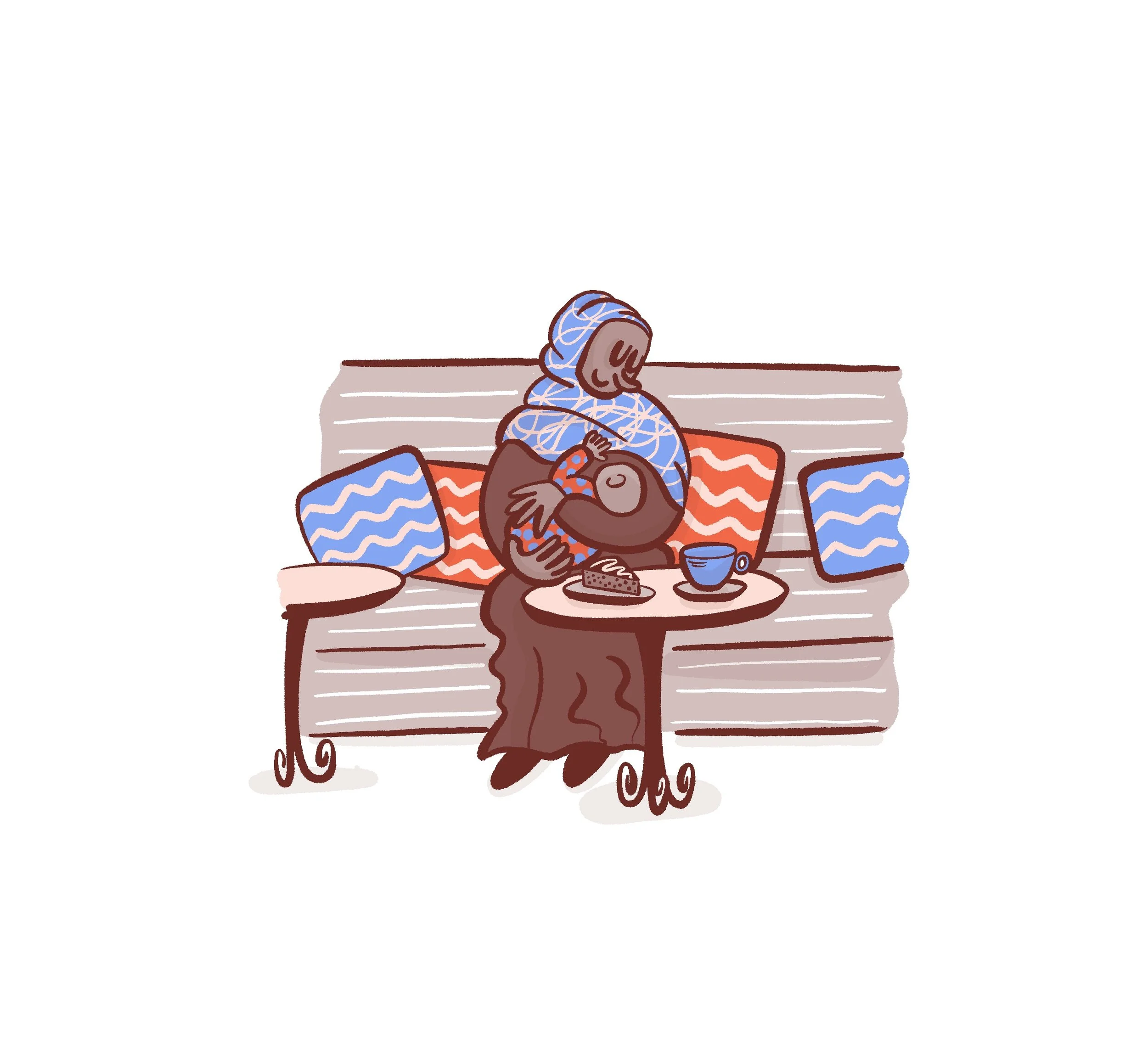
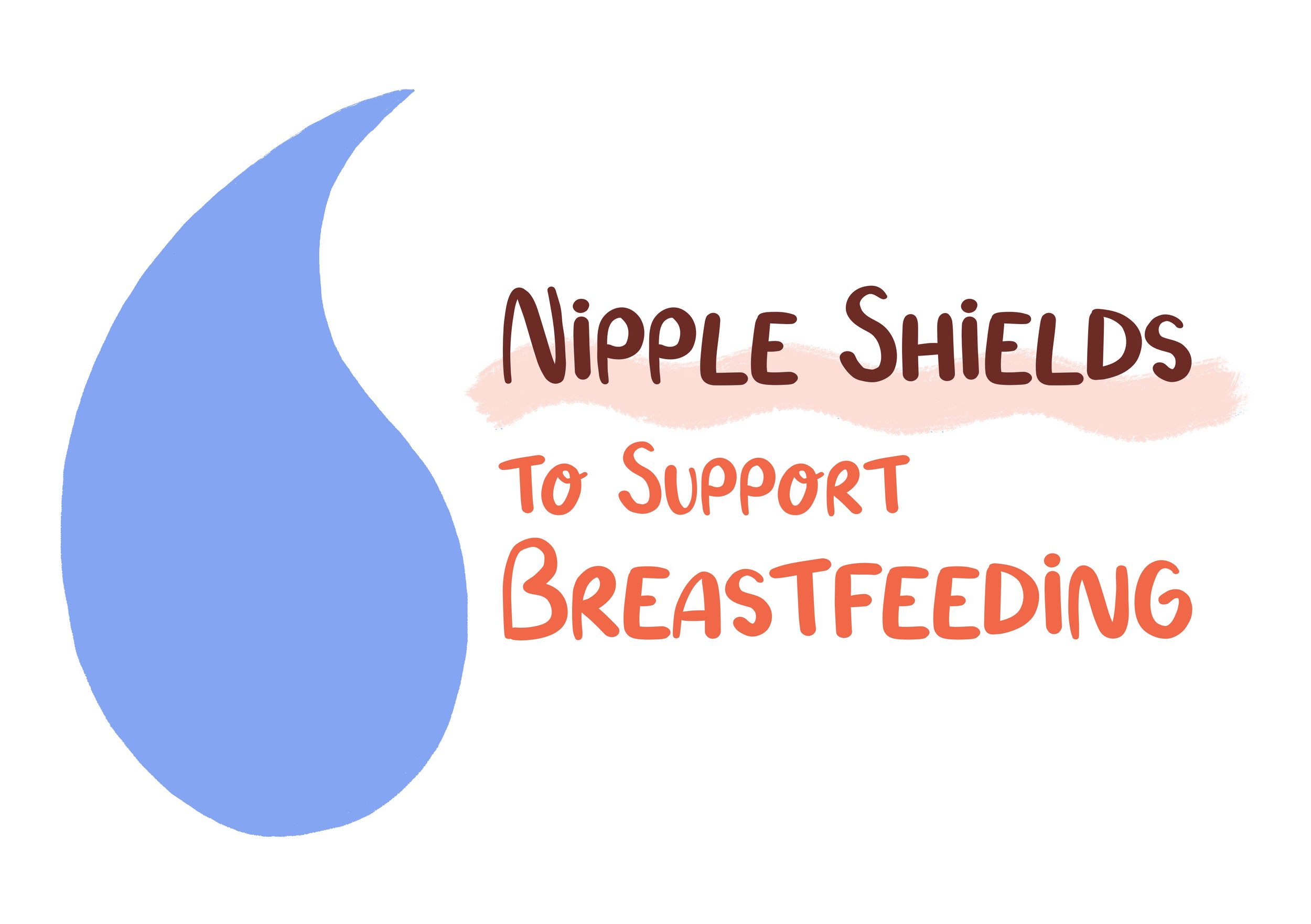
Breastfeeding/chestfeeding are often associated with better health outcomes and as such has become an injunction for new parents. However it isn’t always easy for those choosing this feeding method: latching issues and nipple pain to name but a few can get in the way of a pleasant and rewarding experience. A nipple shield can make things easier, however there are a lot of conflicting information about this device, including from the health sector.

University of Oxford’s Medical Sociology & Health Experience Research Group is trying to cut through the noise with Public & Patient Involvement and healthcare practitioners to support people in making informed decisions. They have commissioned me to create an illustrated logo, as well as a series of illustrations depicting various experiences of breastfeeding/chestfeeding. Find out more about this beautiful and necessary project here.

Children as co-researchers by Camille Aubry

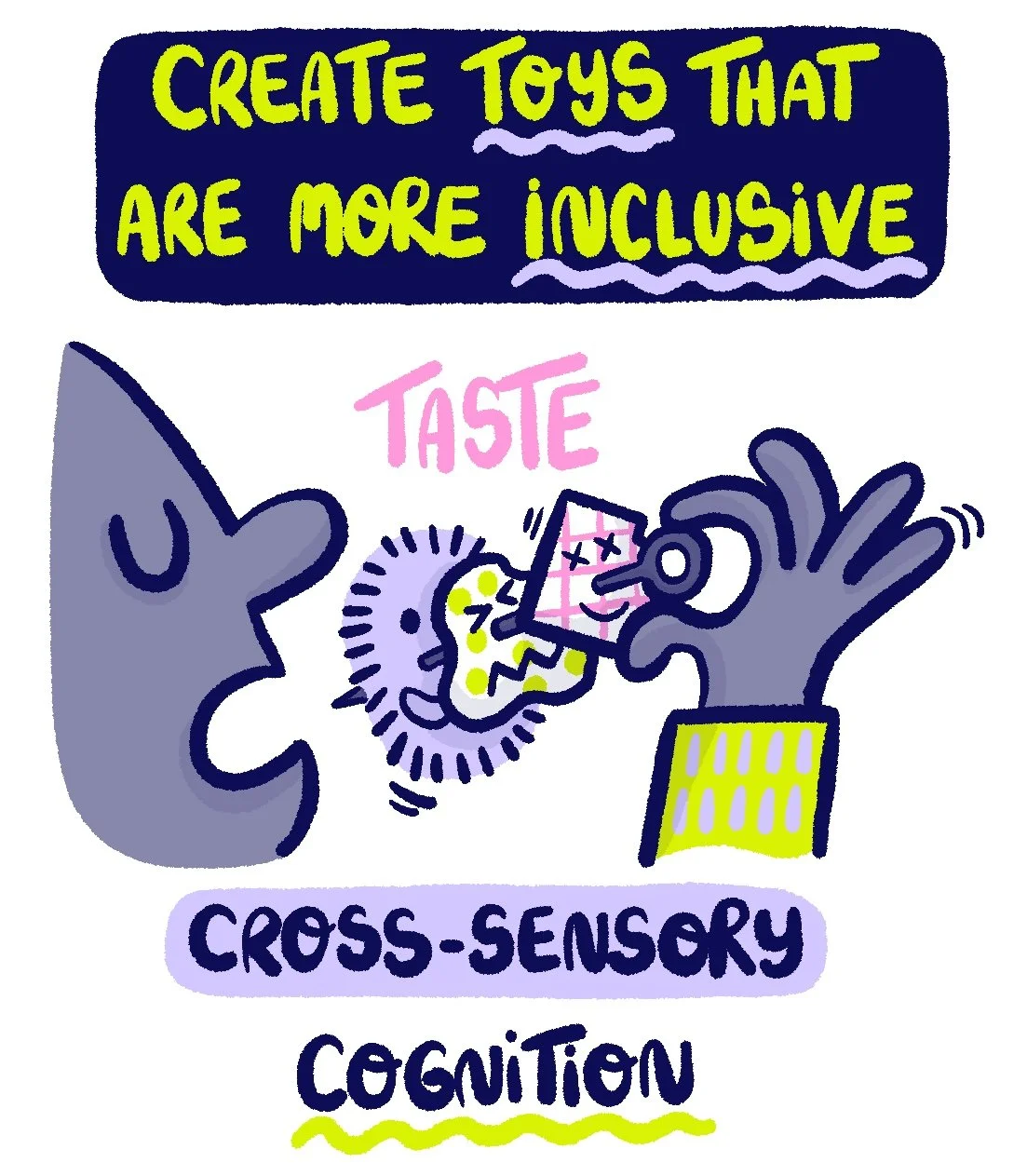
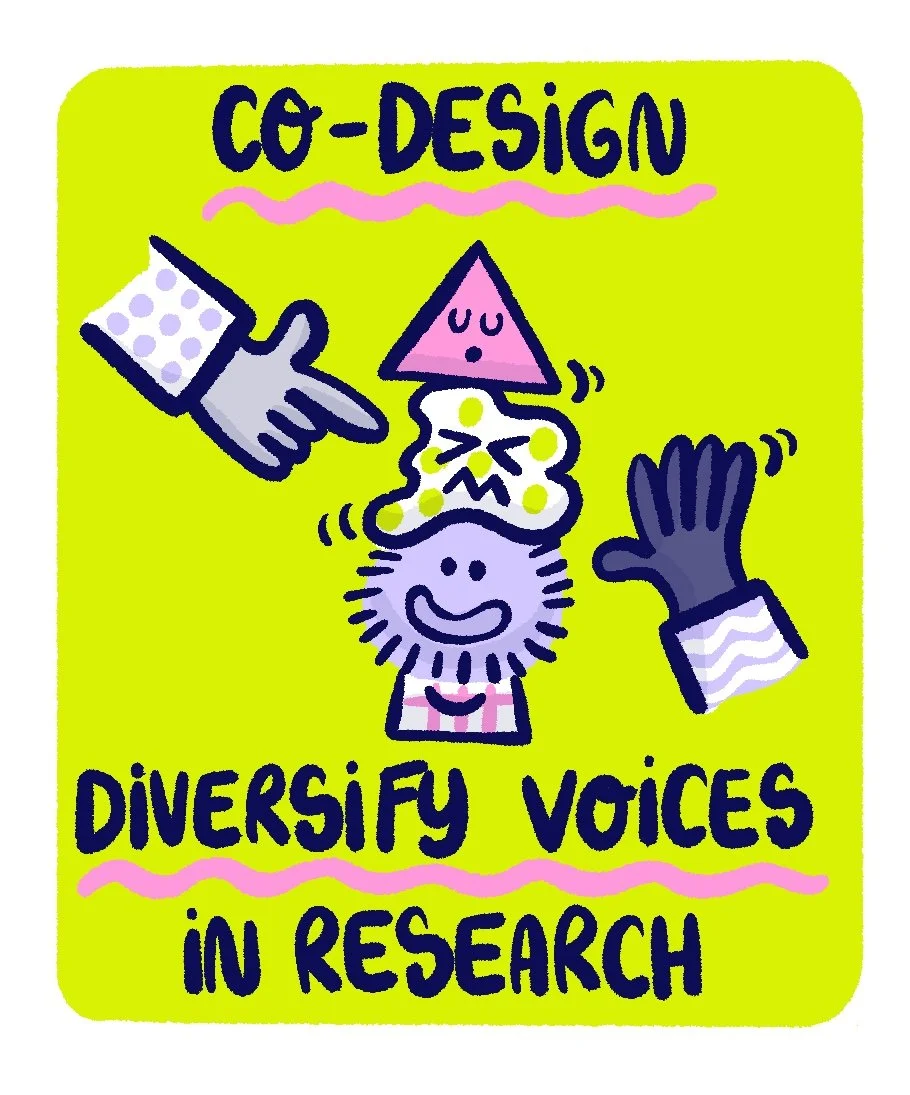
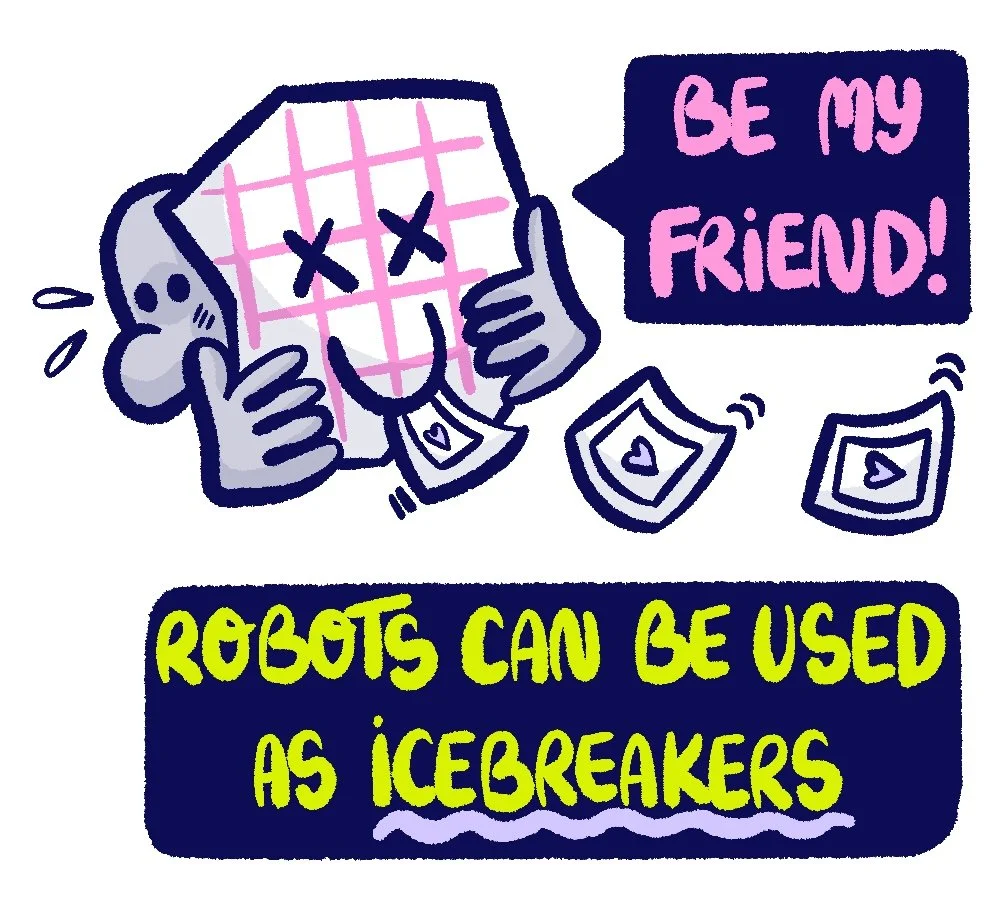
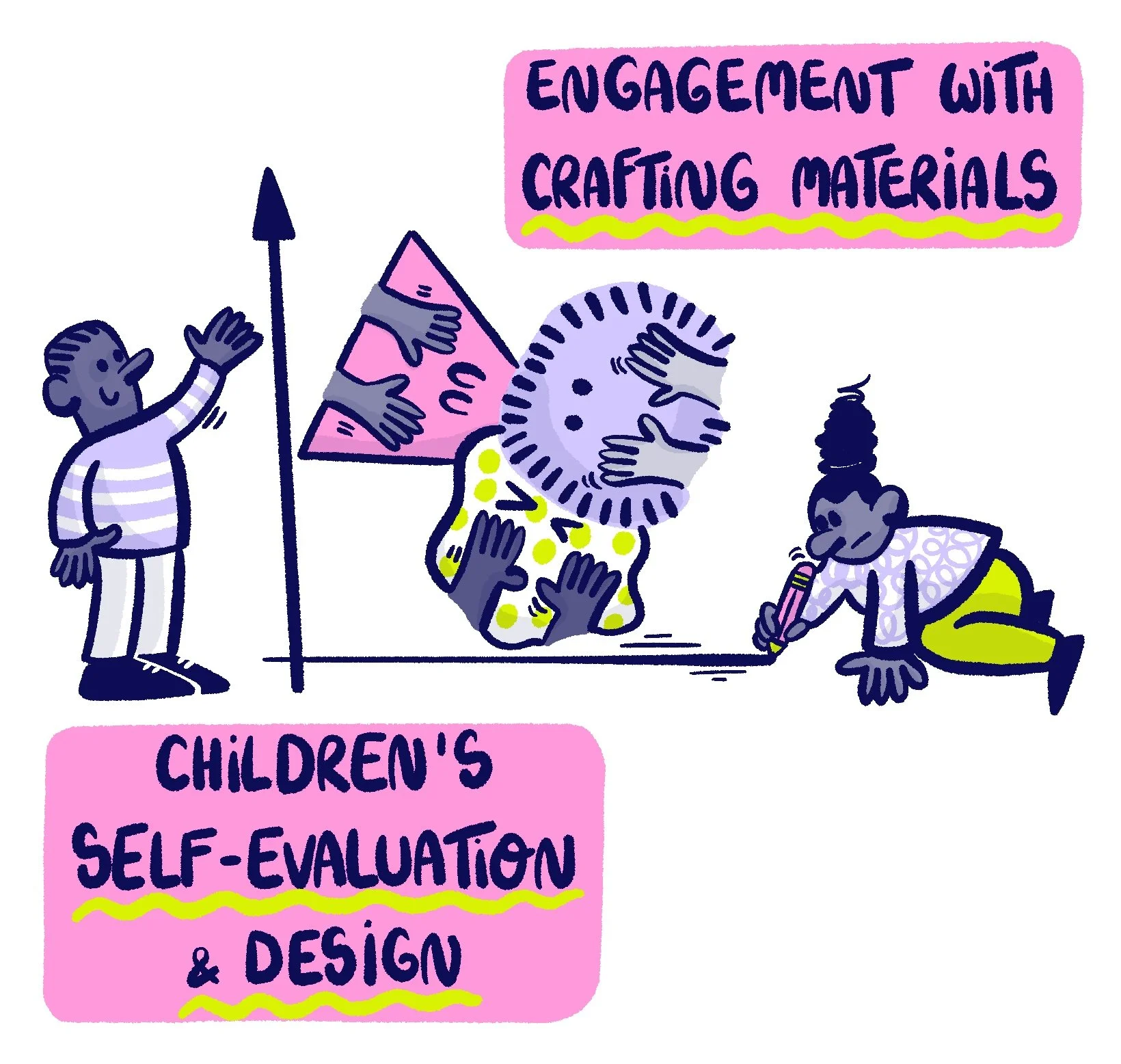
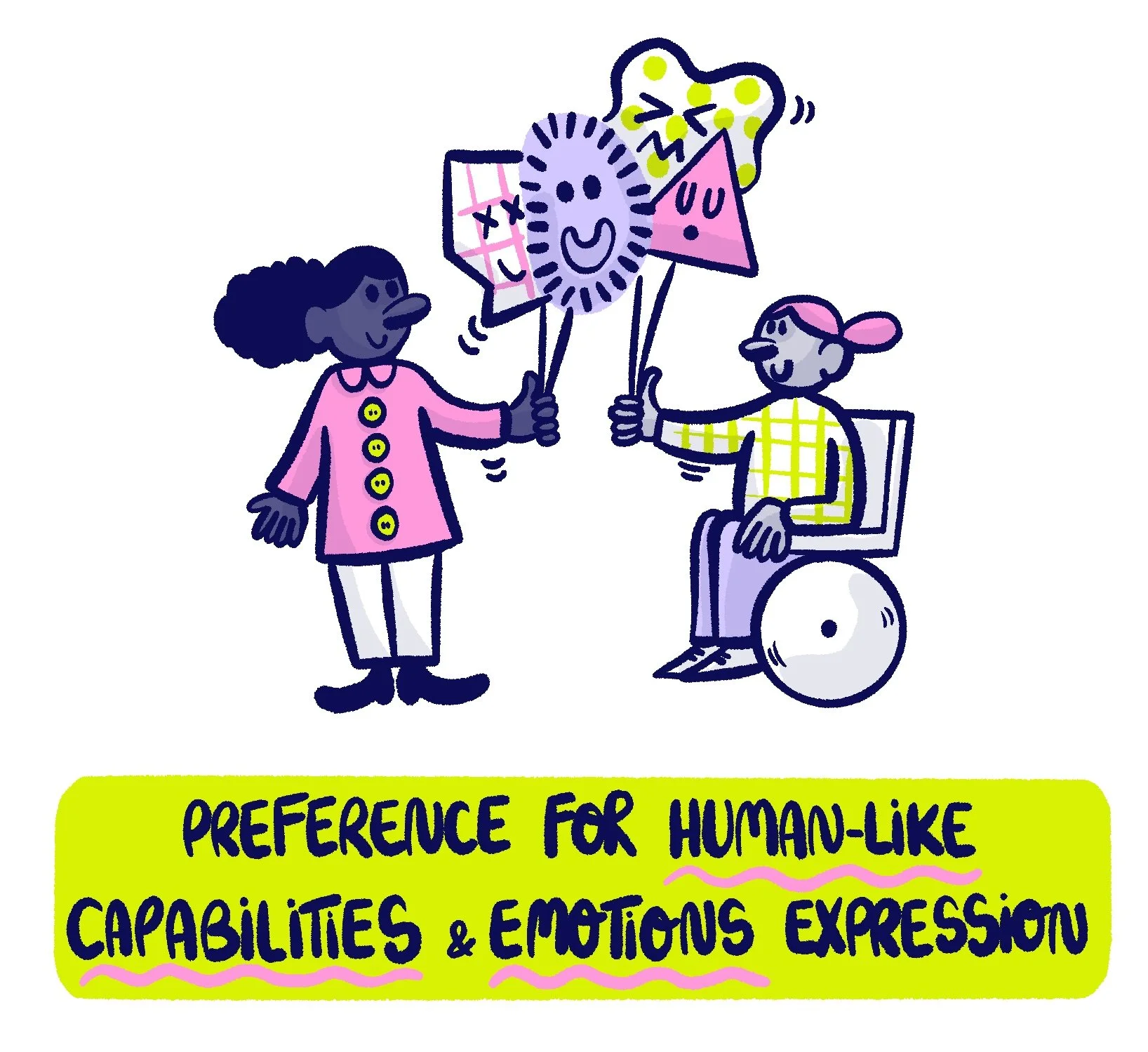
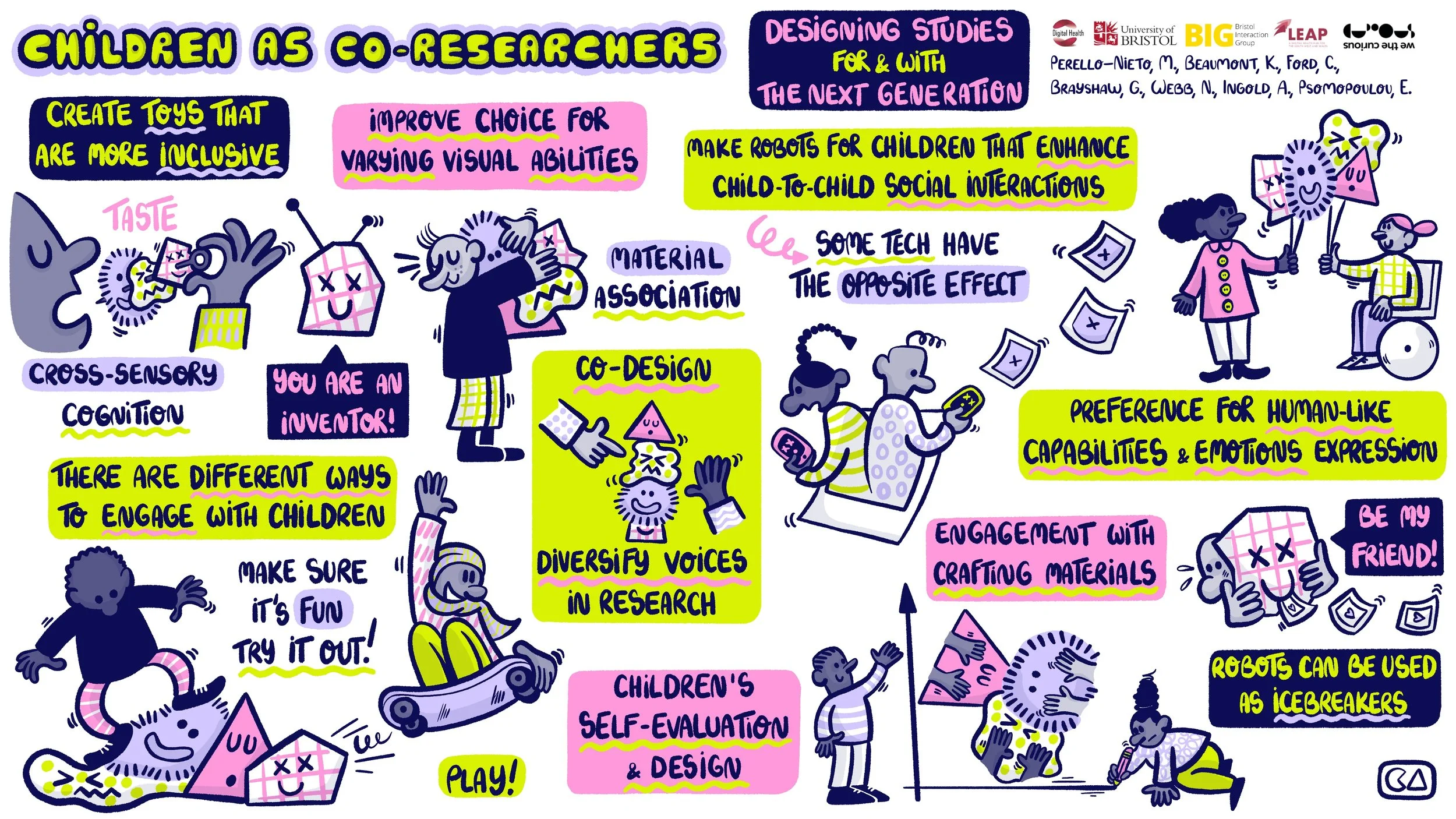
I was commissioned by digital health hub LEAP to turn one of their recent workshops on public engagement in research with a special focus on children. The event included presentation of projects including a multidisciplinary team of researchers who were awarded a pump-priming grant will also present a successful case study, where children helped co-imagine future robots to enhance child-to-child social interactions. In an era where technology shapes daily interactions, it is essential to design devices that foster- rather than hinder - social engagement. I found this project fascinating to work on, as it insisted on the necessity of play and fun with a focus on inclusivity for all abilities.

South West Net Zero Hub Annual Conference by Camille Aubry

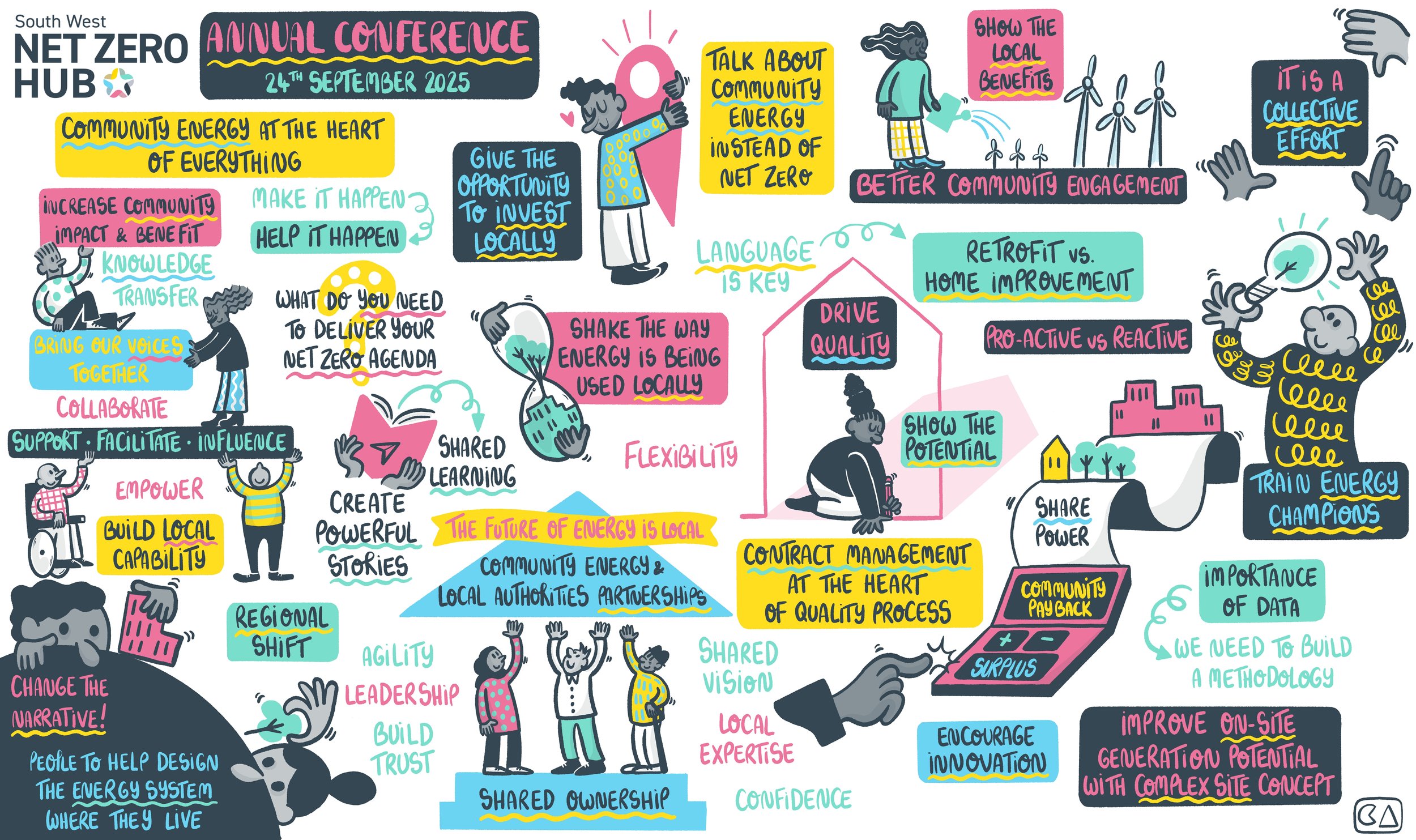
This September I was pleased to be invited to capture the South West Net Zero Hub annual conference with live illustration. The hub provides free strategic and technical support to the public sector and communities to develop, finance and deliver net zero energy projects.

The aim of the event was to bring together South West Local Authority and Public Sector stakeholders to inspire and discuss progress towards net zero. From the concept of Community Energy to retrofit and local investment, the key to net zero is in the empowerment of the local communities in designing where they live.

On Healthy Urban Developments by Camille Aubry

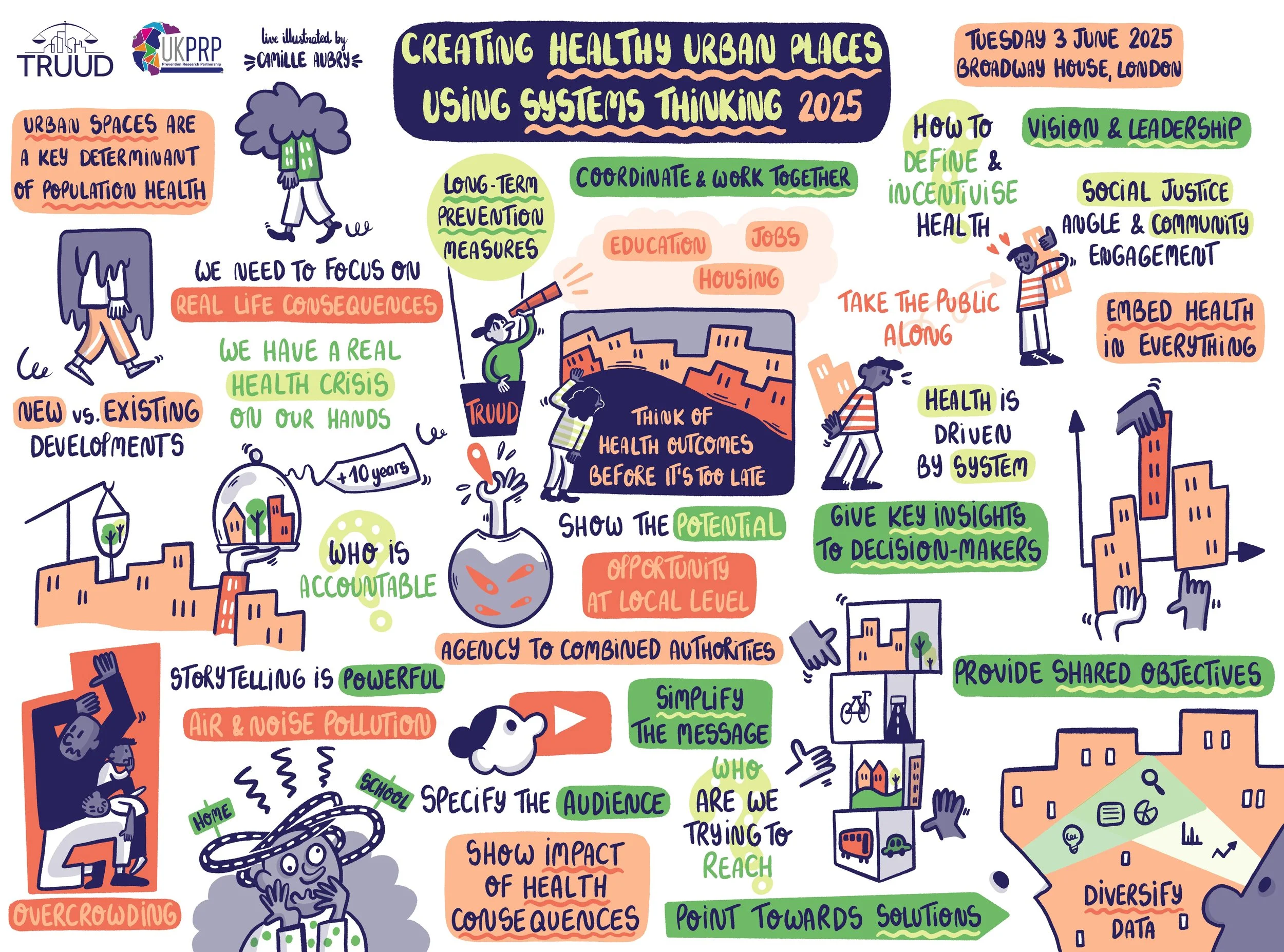
This summer I had the pleasure to join TRUUD (Tackling Root causes upstream of Unhealthy Urban Development) for their Westminster event on on how to create healthier urban places through systems thinking. They gathered 80 critical decision makers to add to their recommendations and produced an extensive report available here.

I was very pleased to be invited to live illustrate this event. Sketchnotes created during the event were also published throughout the report for a more accessible reading.

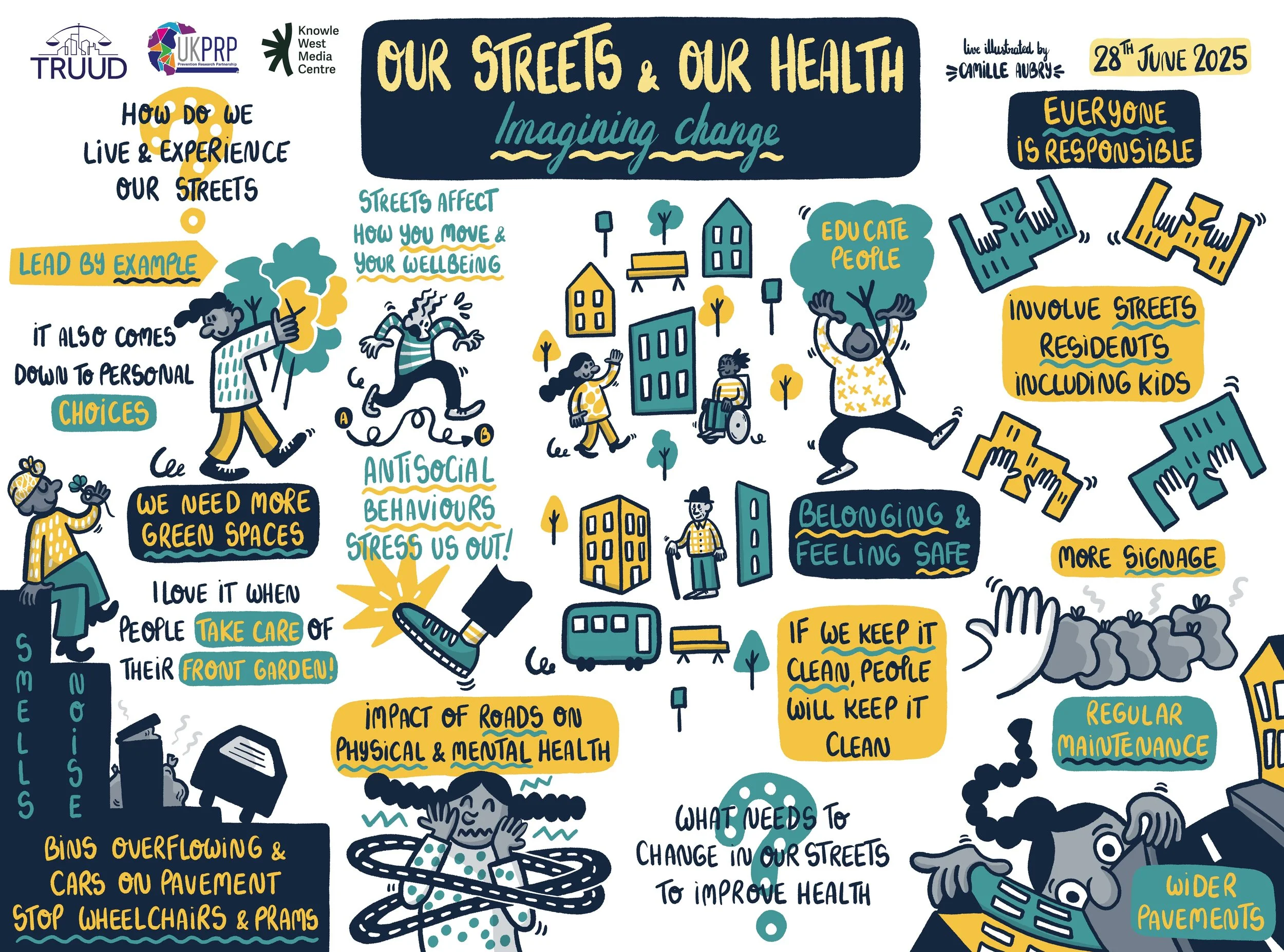
Following this event I also collaborated with the TRUUD team to live illustrate one of their workshops in collaboration with the Knowle West Media Centre. Residents were invited to talk about current problems and potential solutions for better urban environments and public health.

Lifelines: Rethinking ageing across generations by Camille Aubry

Ageing is something you do from the moment you’re born. This is a journey we’re all on. It’s a privilege to get older. It’s a privilege to say I’ve had another birthday, I am here.
— HANNAH KAYI MASON, CEO, IN COMMON

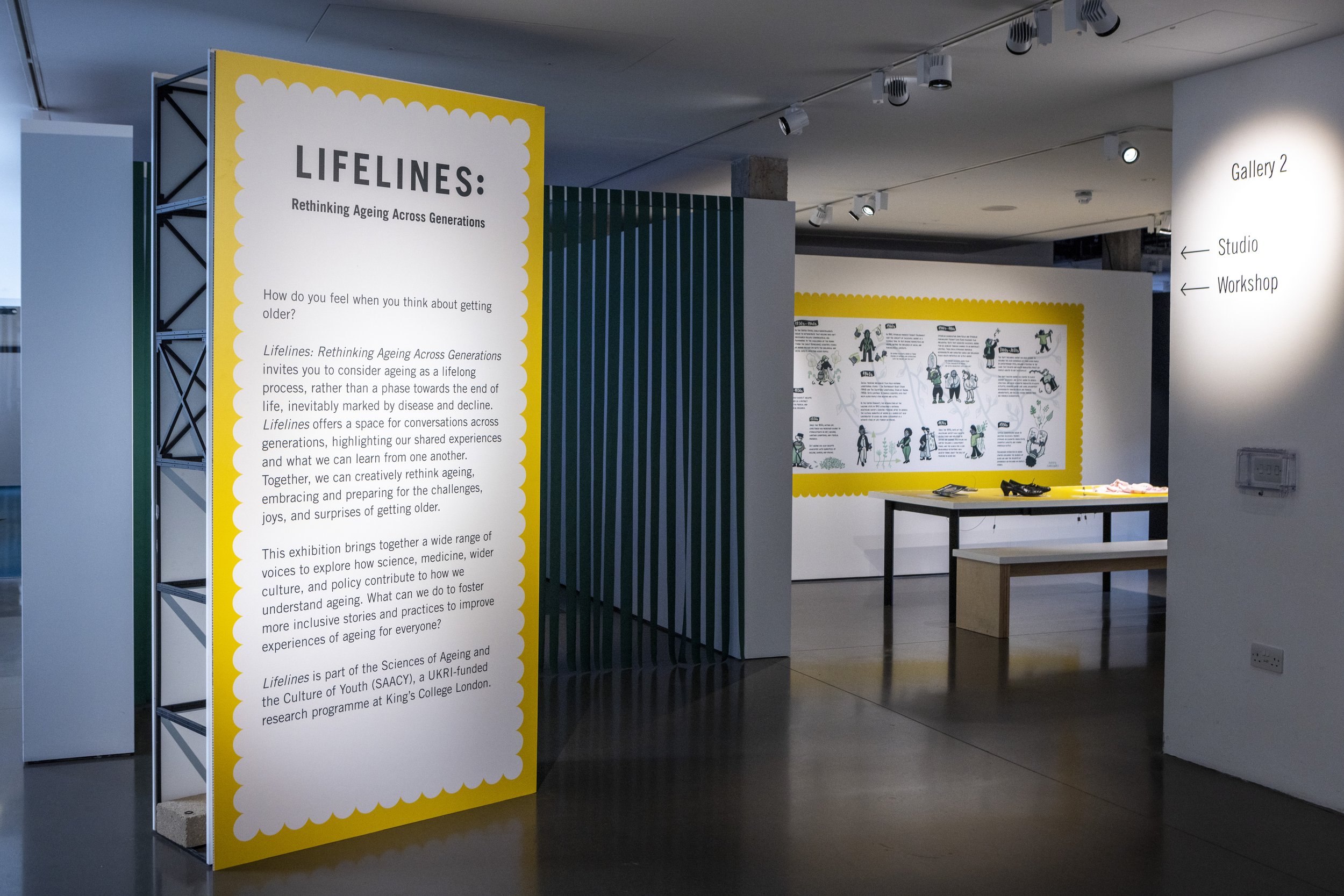
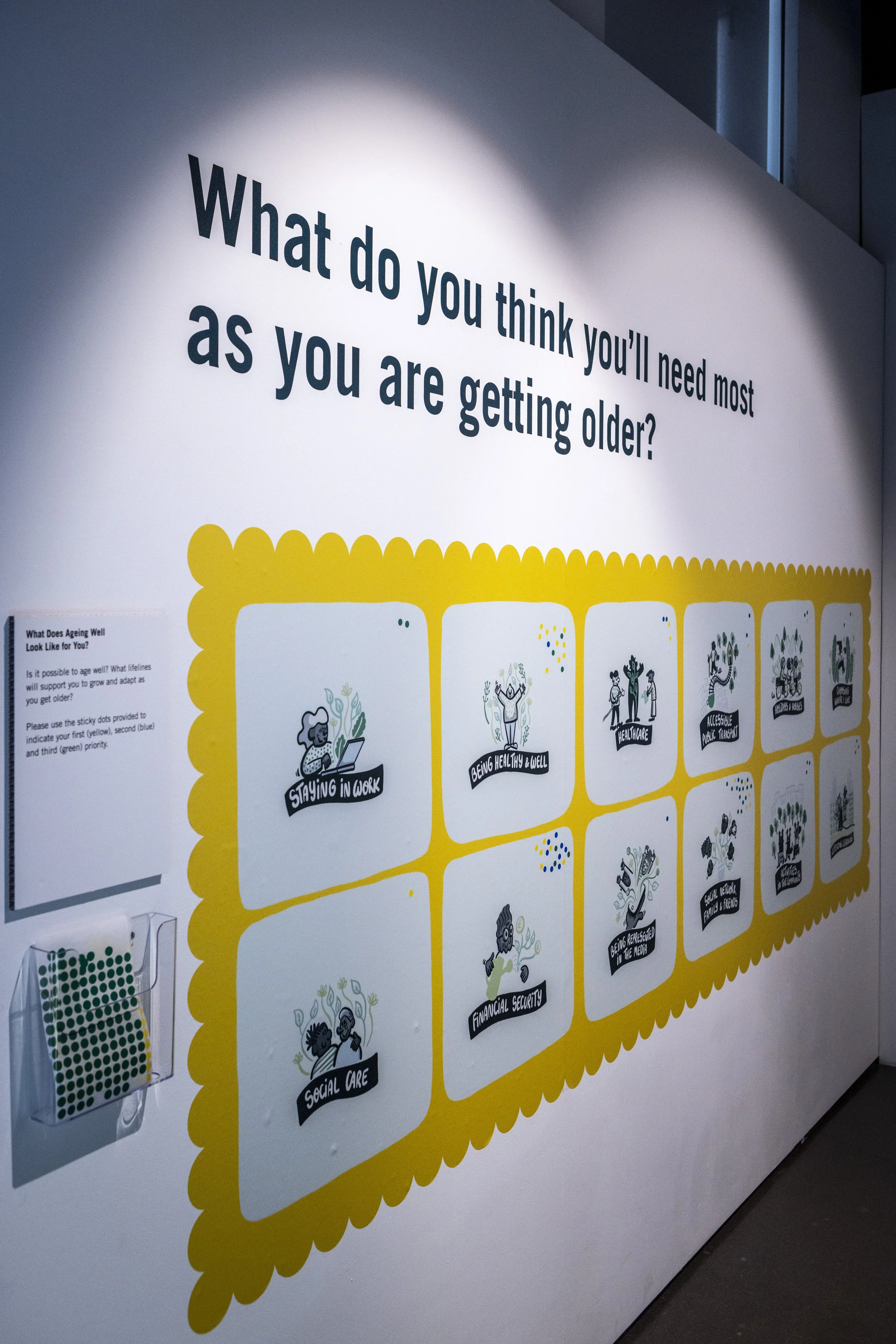
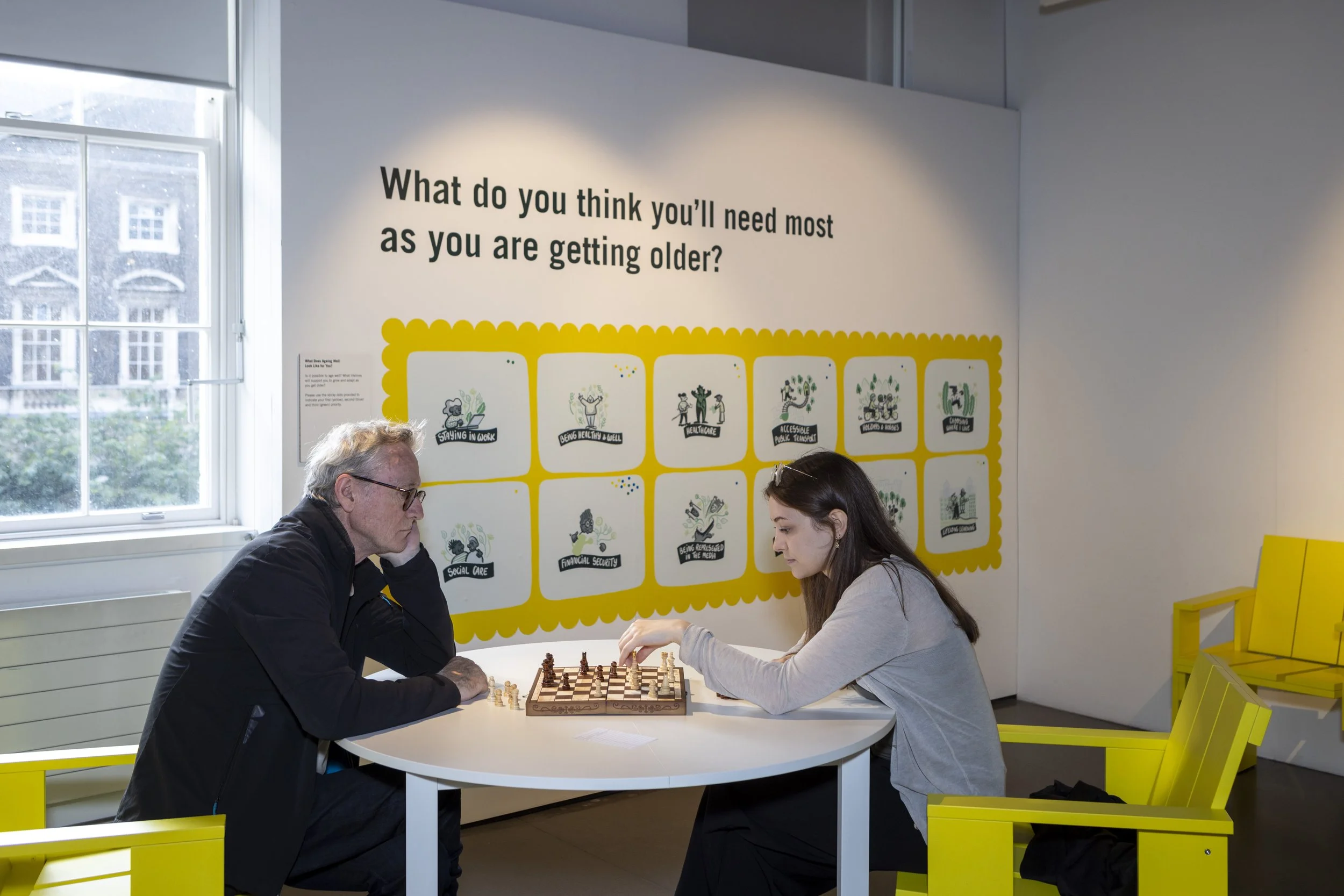
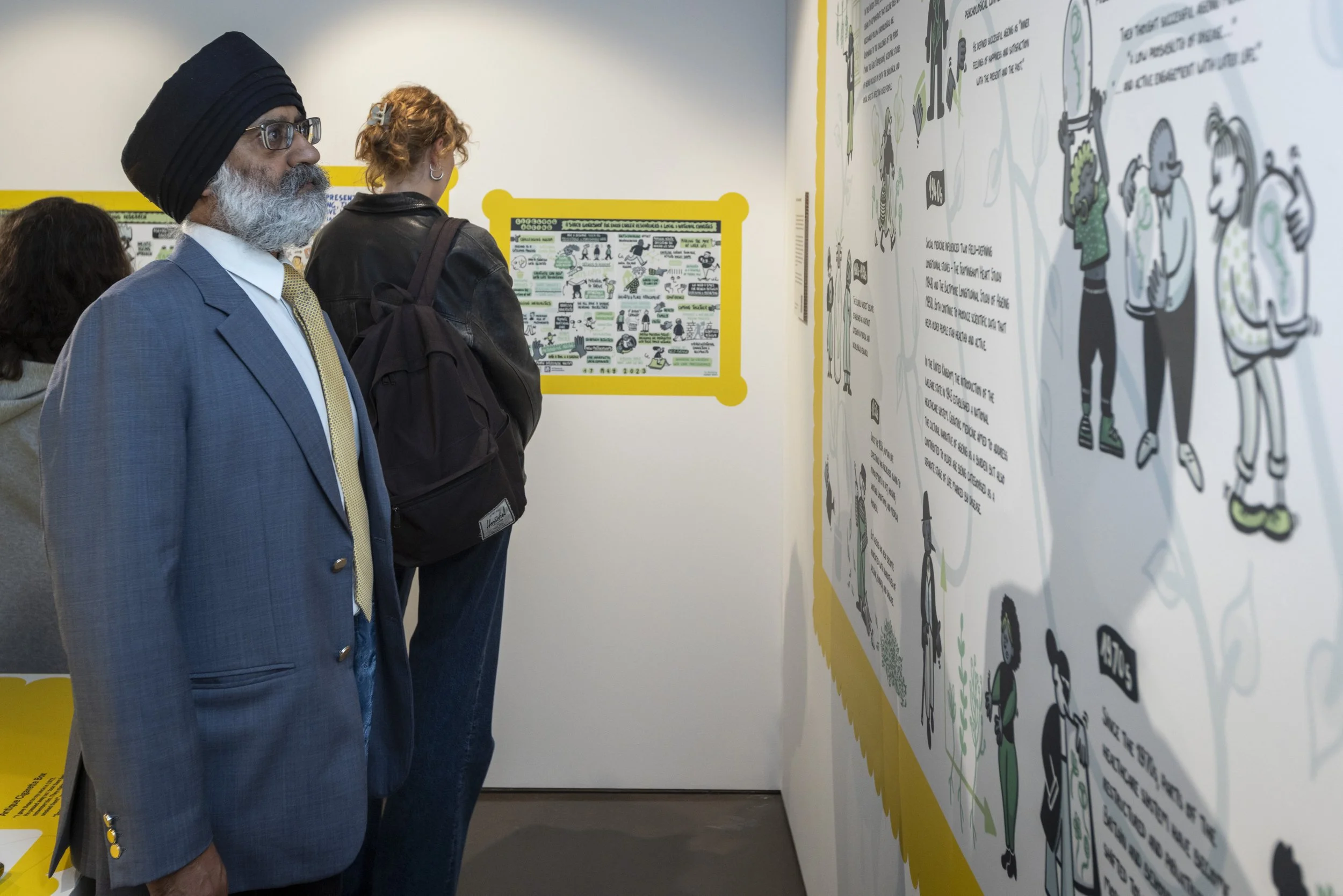
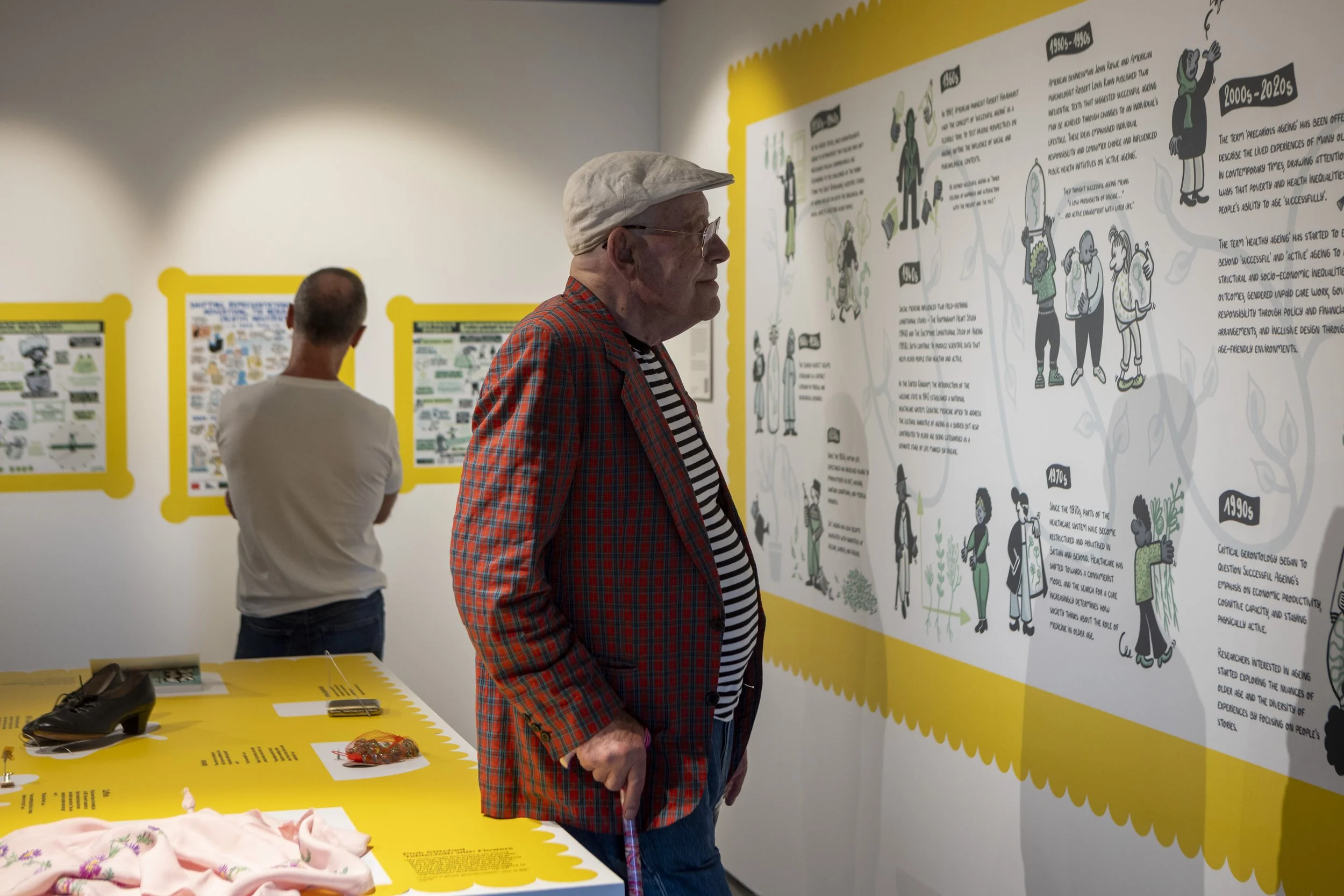
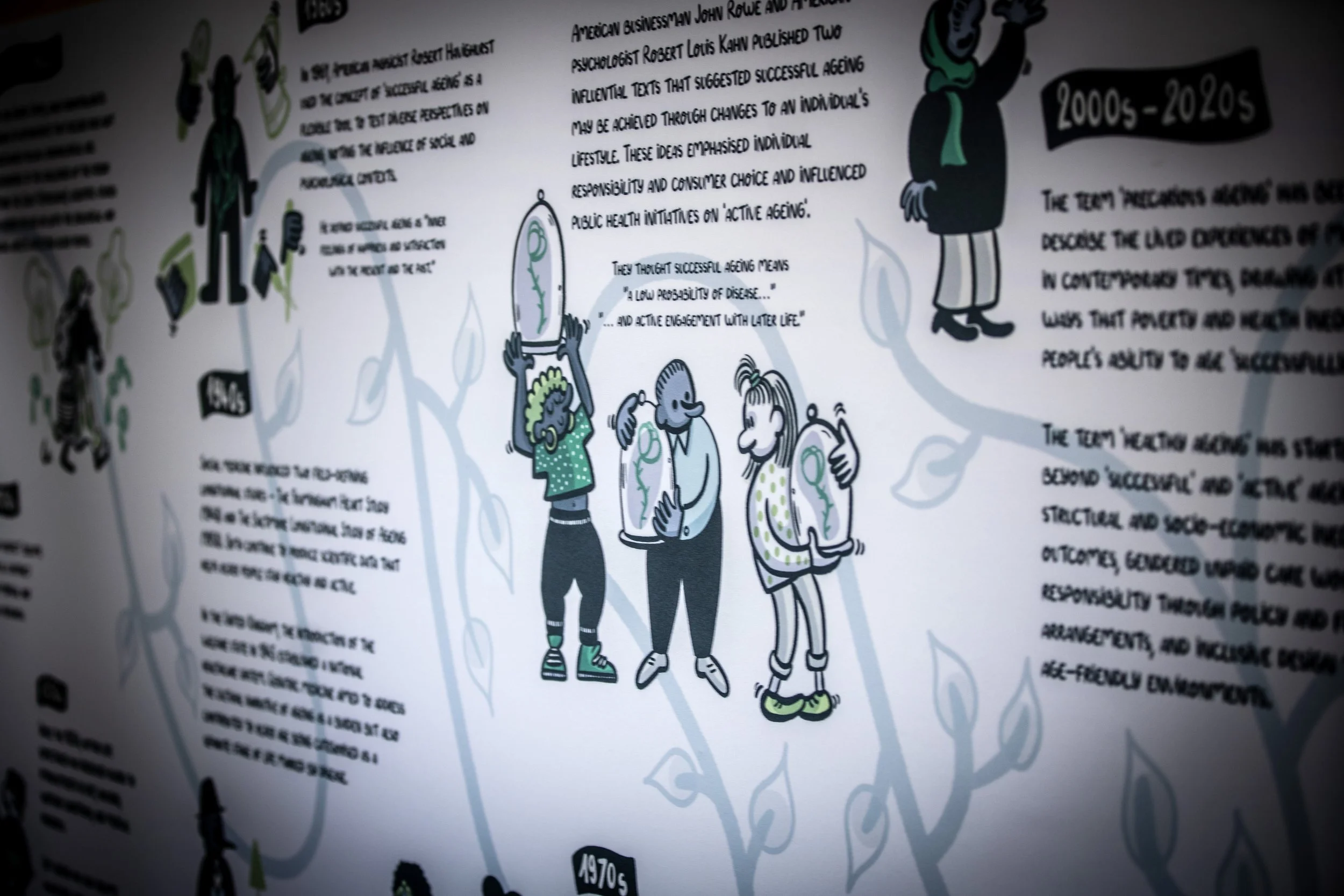
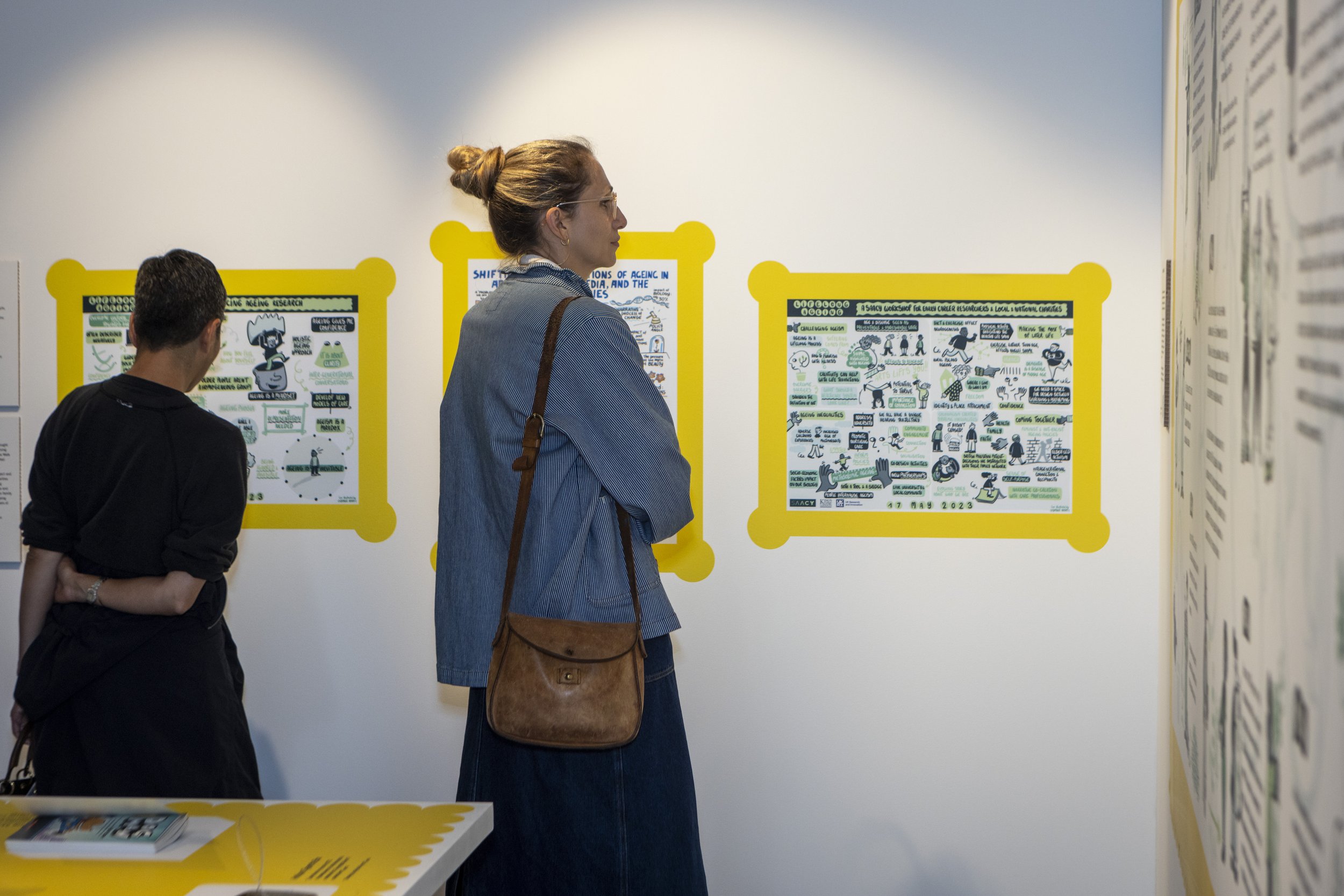
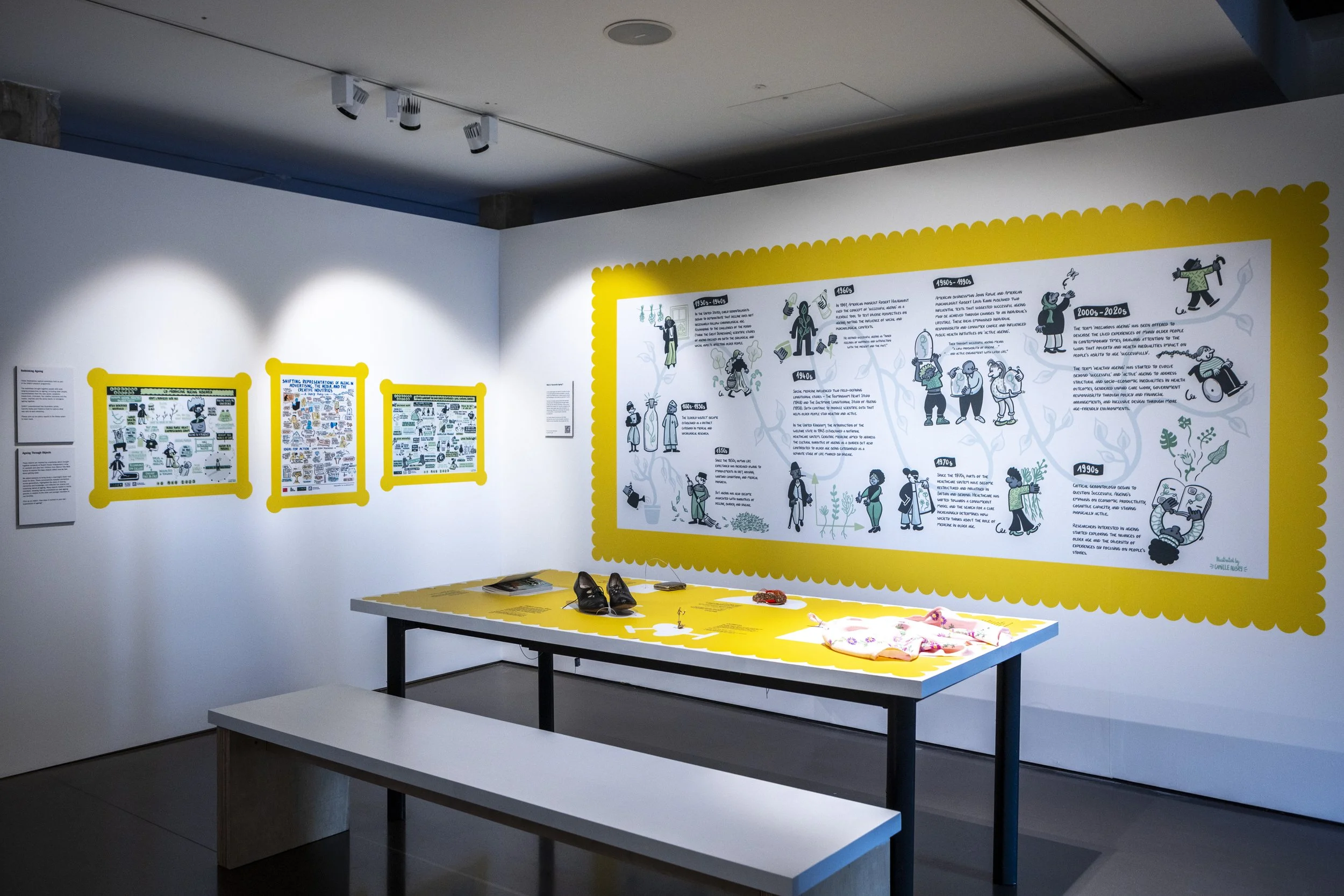
The Lifelines: Rethinking ageing across generations exhibition has now launched at Science Gallery London. I was very honoured to illustrate this project disrupting the dominant narrative of ageing as decline and looking at it as a lifelong process. This exhibition is an opportunity to reimagine what it means to age well, creatively, collectively to enrich our definition of ageing successfully.

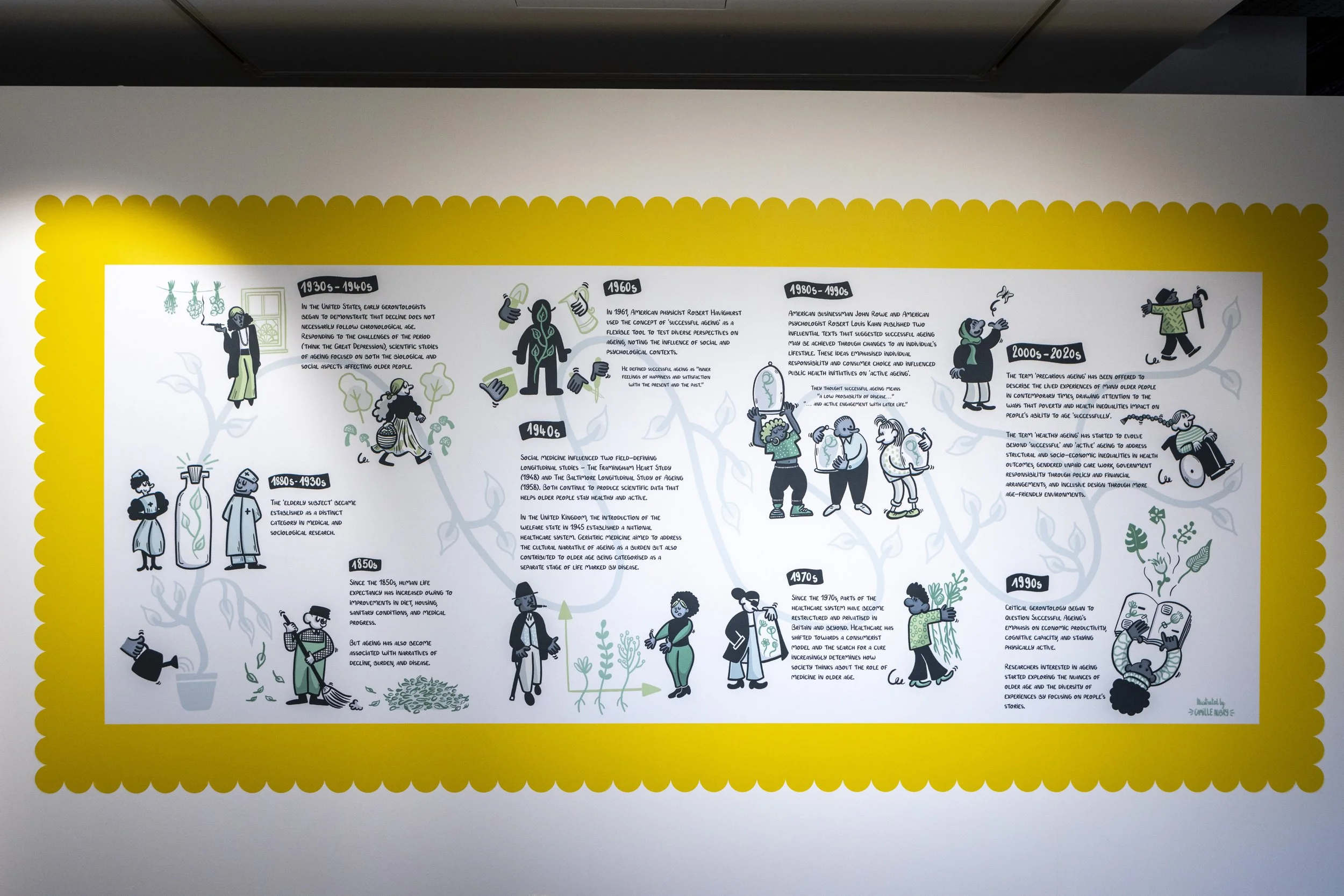
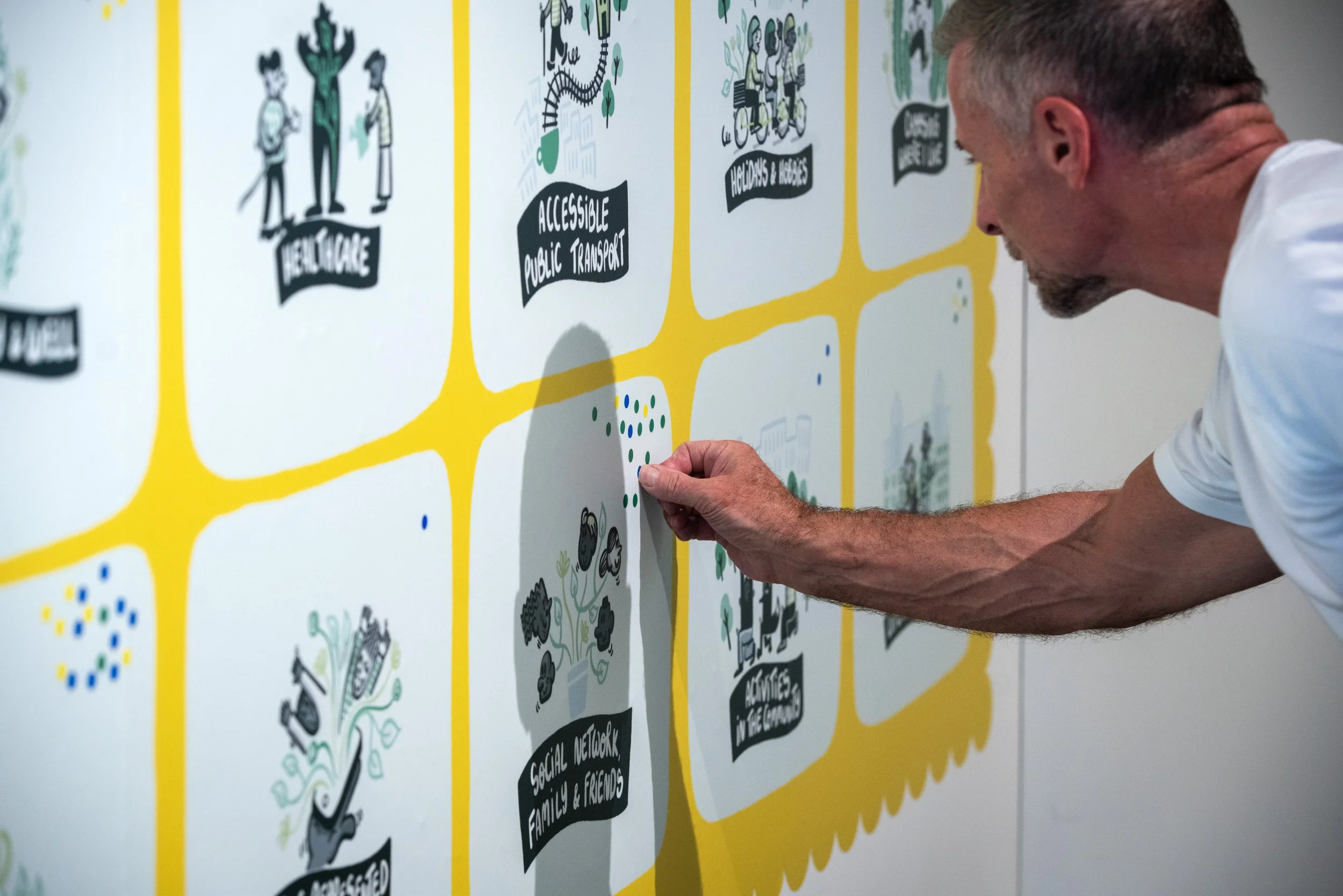
Aside from live illustration canvasses created during various participatory workshops, I was commissioned to produce a timeline on the concept of successful ageing and how it has changed over time, as well as an interactive poster prompting the audience to share what ageing well looks like for them. I also created cartoons that were animated and incorporated in an exhibited movie directed and produced by Reuben Armstrong. Reuben is a fellow Pervasive Media Studio resident and we have collaborated on a number of projects throughout the last couple of years, including the Green Belt 2.0 R+D piece.

Lifelines: Rethinking ageing across generations is now on until Saturday 2nd August 

Address: Science Gallery London, Great Maze Pond, London SE1

Opening times: 11 am - 6 pm

A collaboration with The Sciences of Ageing and the Culture of Youth (SAACY)

Photo copyright George Torode

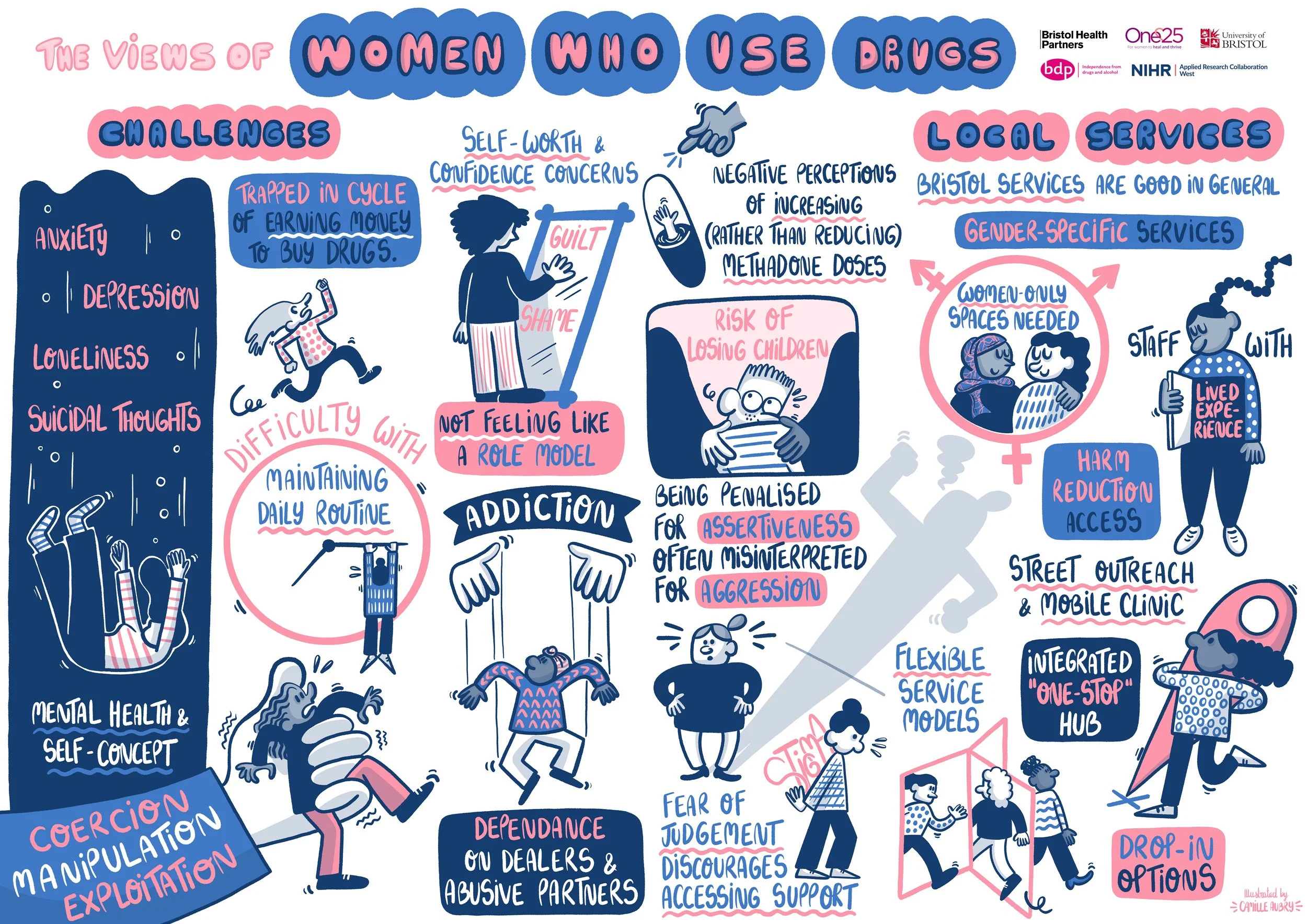
The views of Women who use Drugs by Camille Aubry

CW: mention of addiction, mental health issues, abuse and coercion

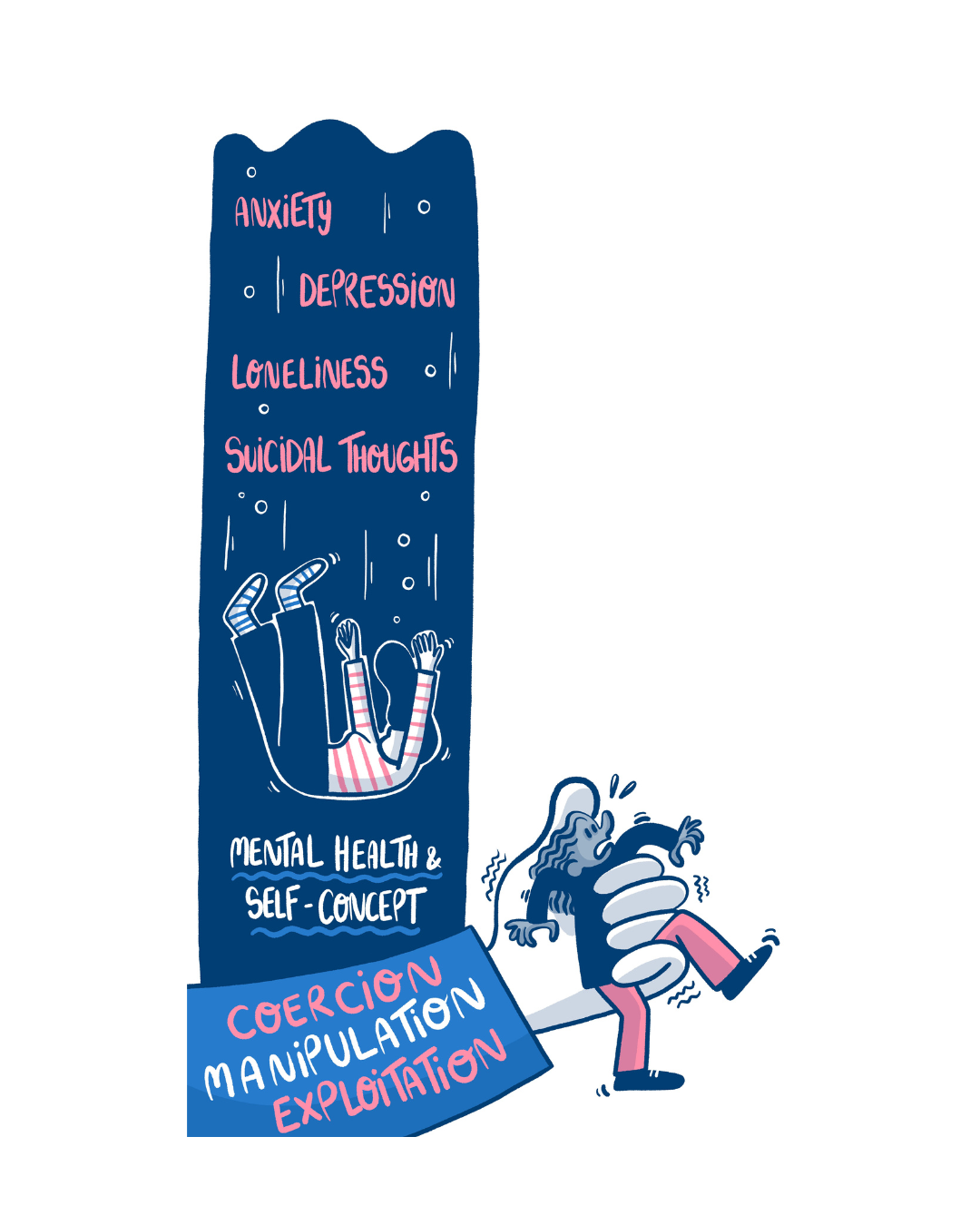
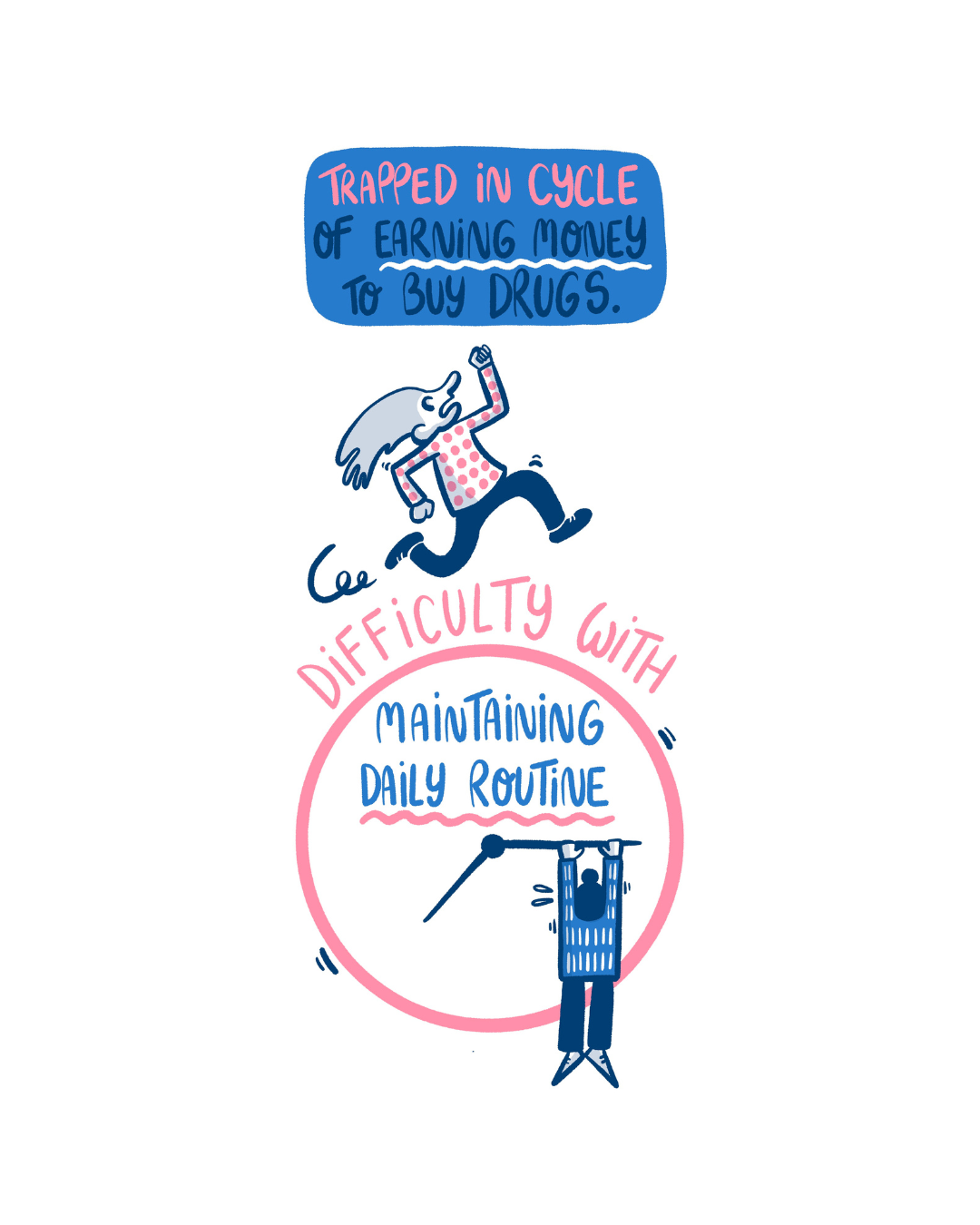
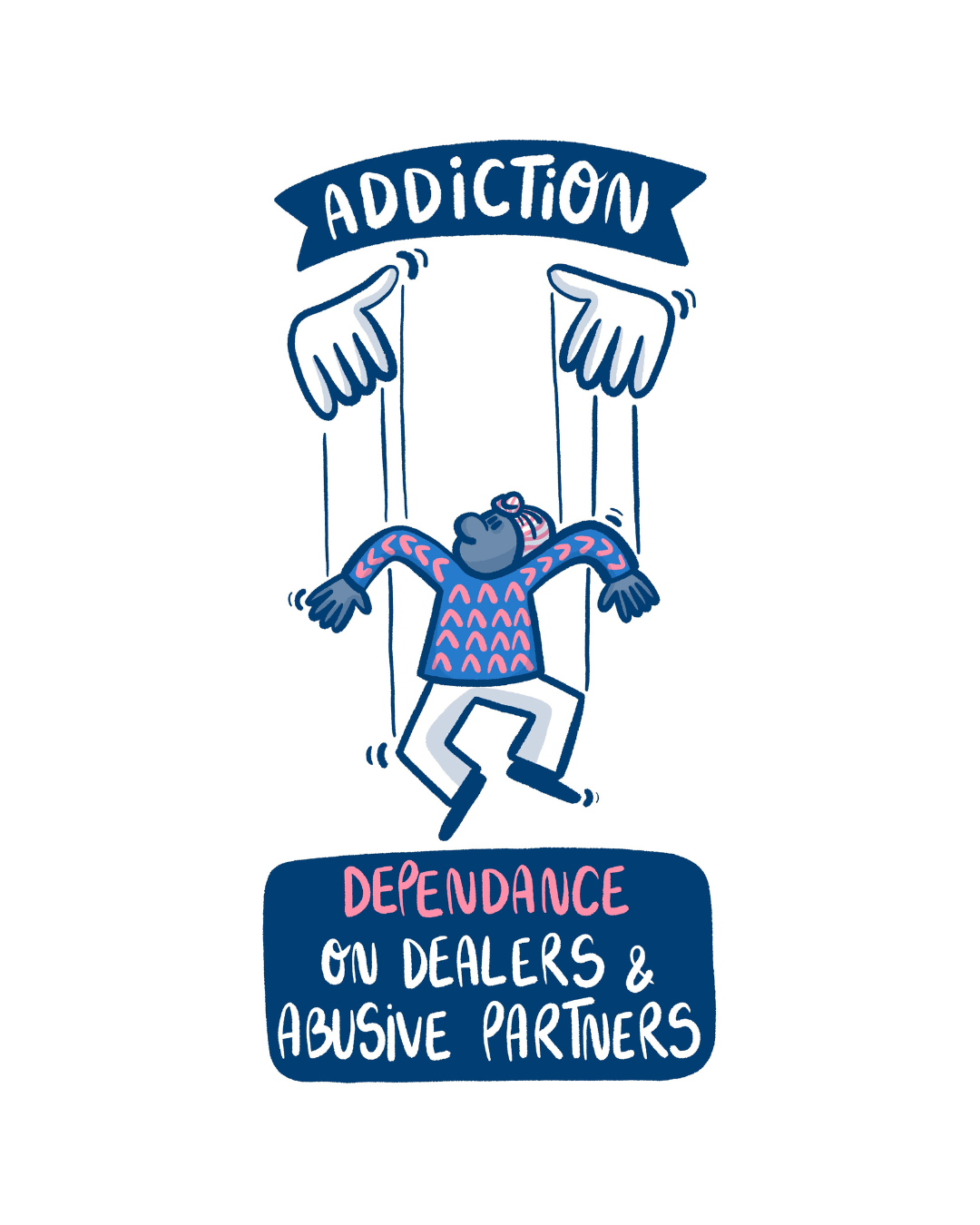
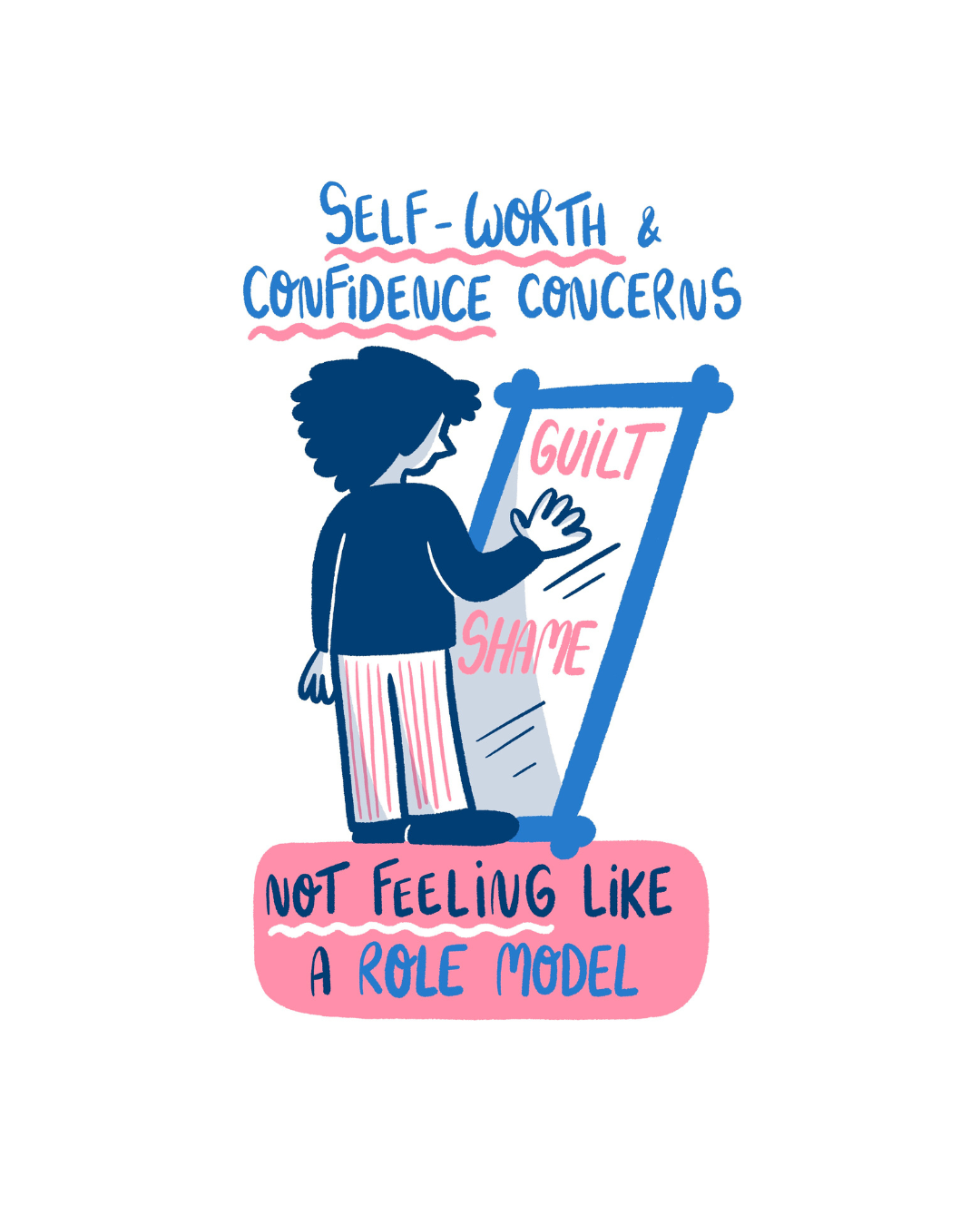
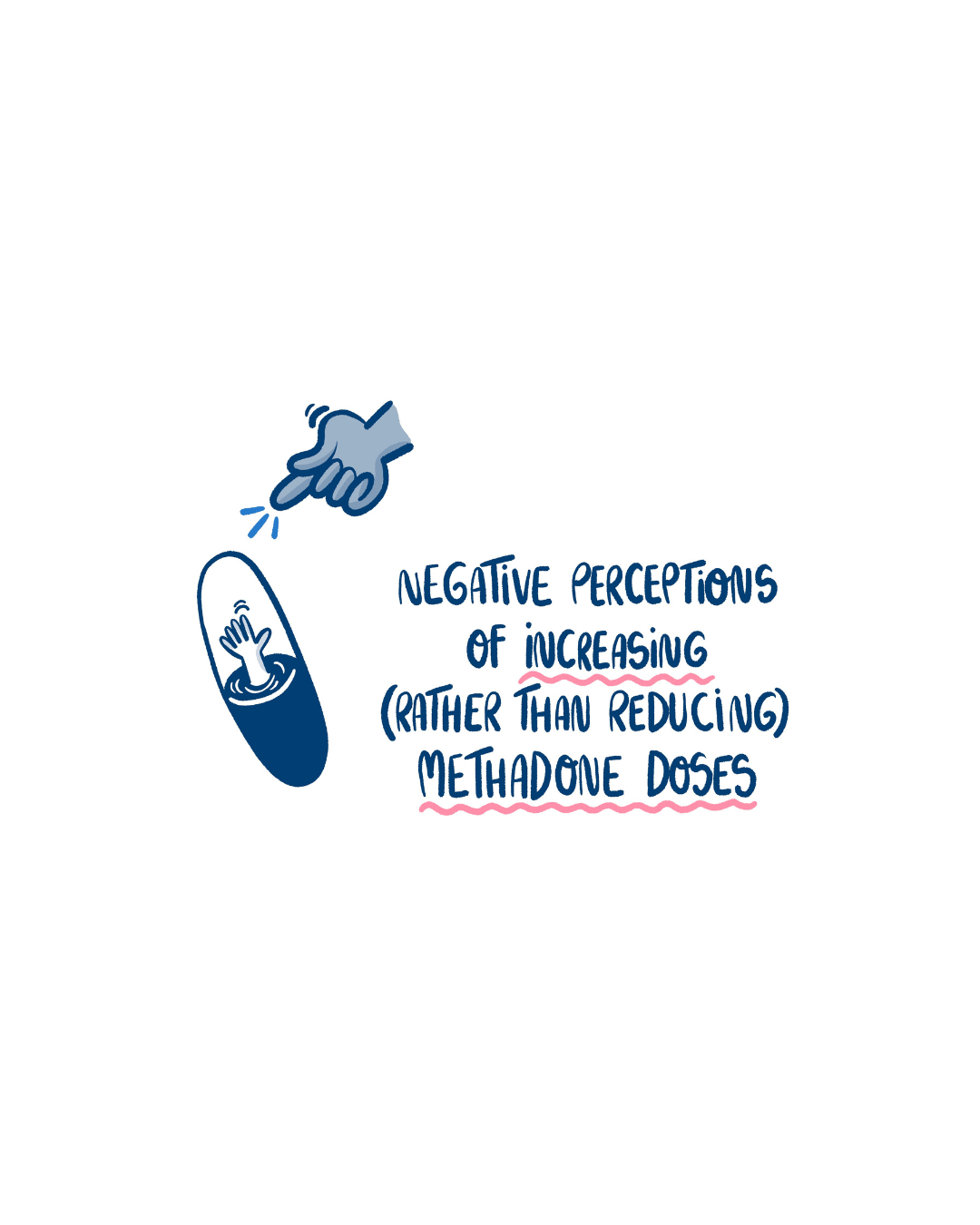
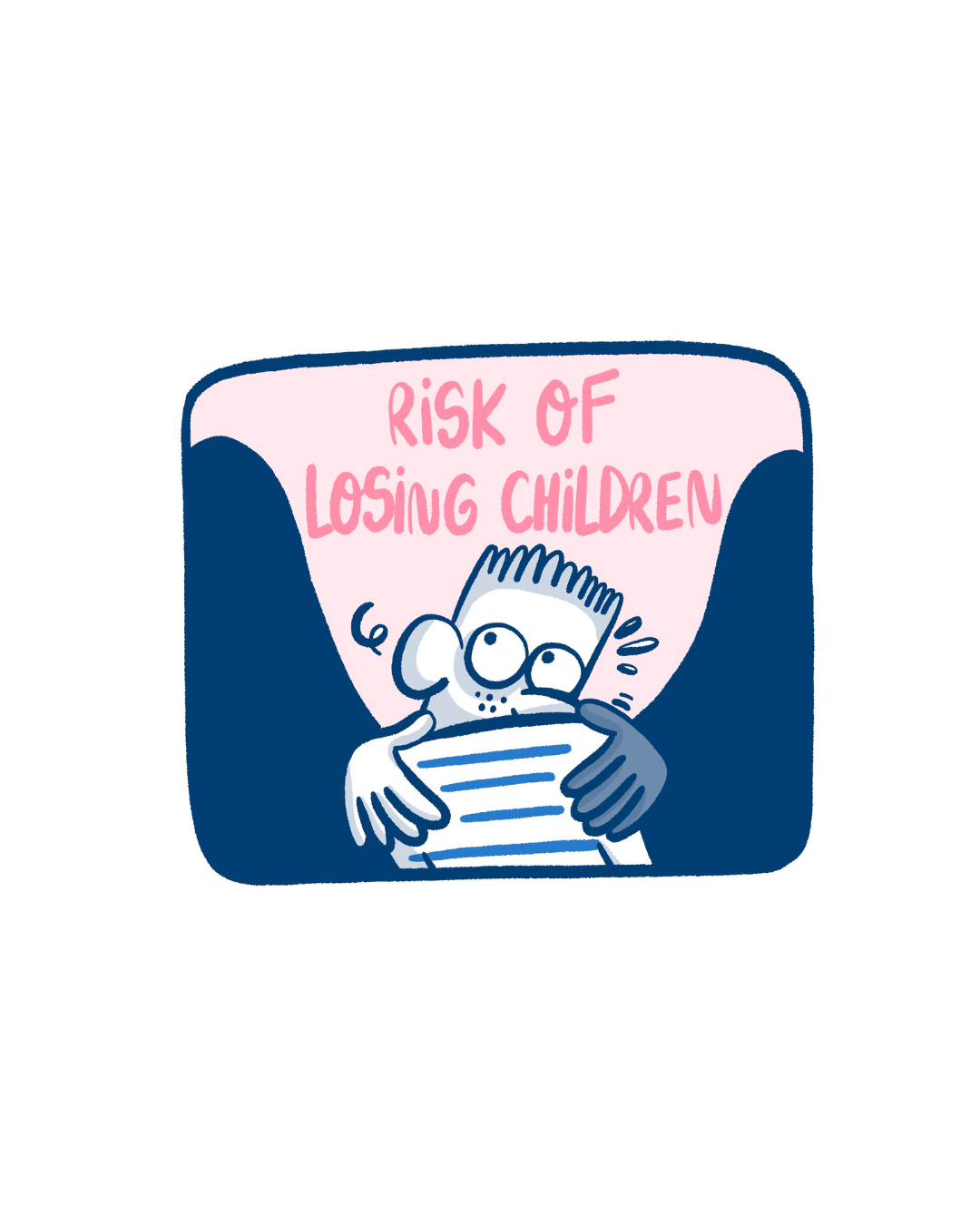
Women who use drugs was a Bristol Health Partners funded project led by the Drugs & Alcohol Health Integration team. This research used participatory methods to capture the views of women with lived experience in order to understand their challenges in accessing Bristol’s local services. Their testimonies are crucial in designing a health and social care system that truly meets their needs.

I was very grateful to turn their views and vision into illustrations for this very important project. 

Co-developed theatre: an illustrated how-to guide by Camille Aubry

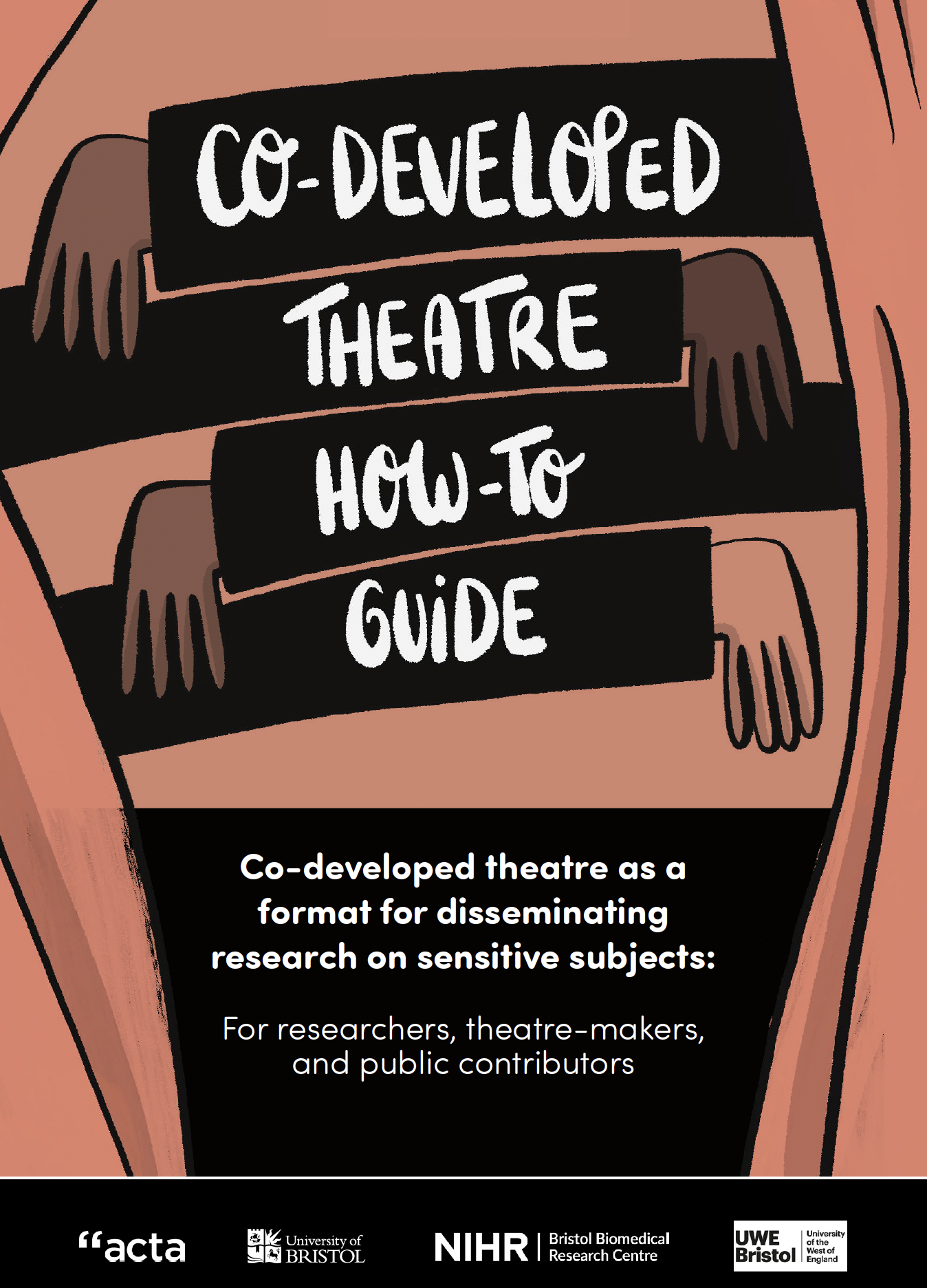
I recently wrote about working on  Patient & public involvement (PPI) projects as an illustrator and the ability of illustrations to participate in the dissemination of research. A new how-to guide launched just last week, led by researcher Cat Papastavrou Brooks, is a great example of this kind of collaboration, as it shows how research can go beyond the actual research/public partnership and what hides behind the often too-loaded academic jargon - think “lived experience”, “co-design”, “inclusion” - that tends to feed the power imbalance between academics and public contributors to the profit of the former. 

Click on the image to download the guide

I was invited to live illustrate a workshop to co-develop the how-to guide based on the findings from the evaluation. I then was commissioned to illustrate the guide that was launched on the 15th May.

Read about this beautiful project here and download the guide here.

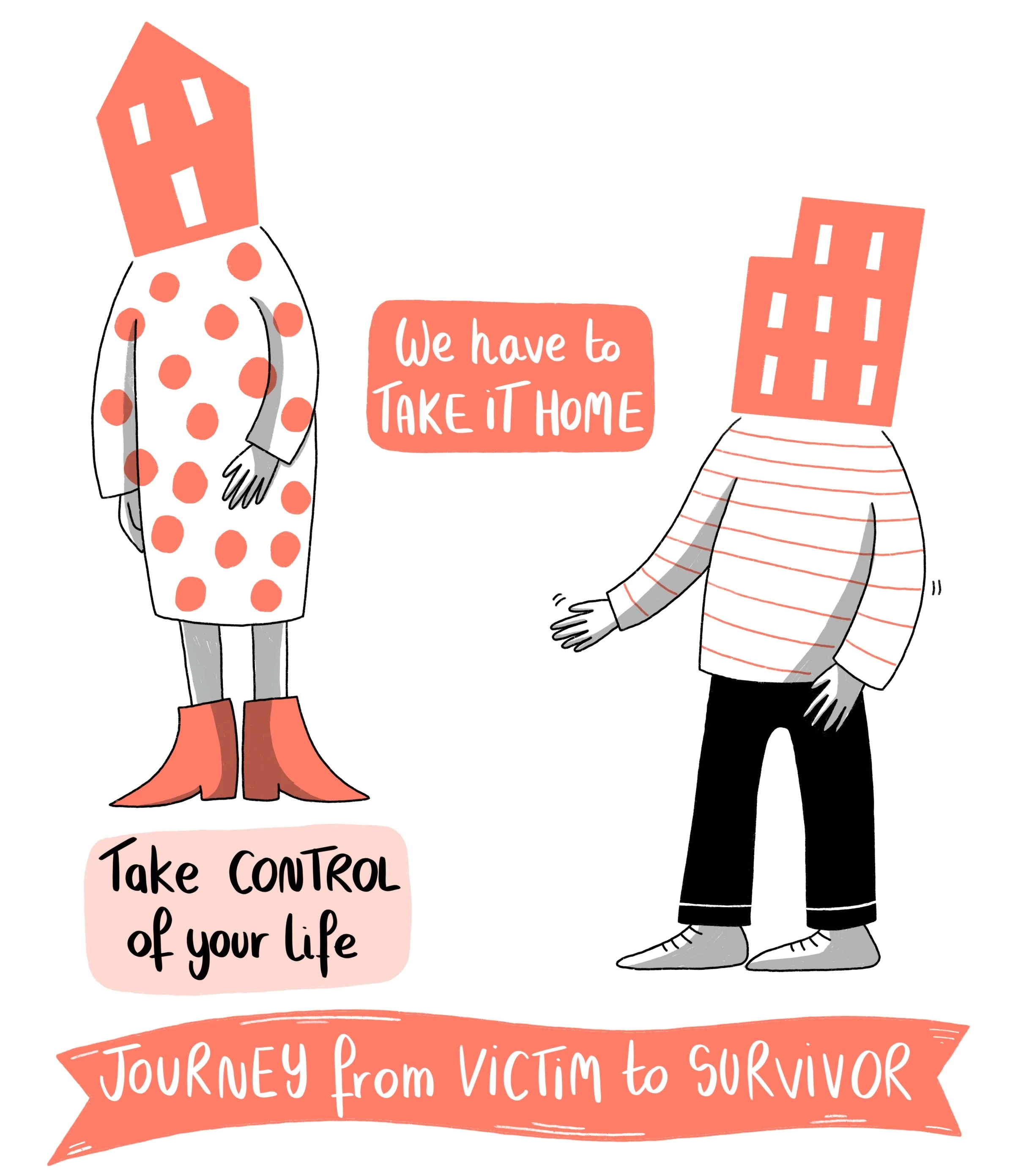
In her article Cat beautifully talks about this new production as a result of a collaborative group of researchers, theatre makers and public contributors. It aims to explore theatre as a format for disseminating research on sensitive subjects and was developed as part of the Hard Evidence play evaluation. This play was developed with survivors and the acta Community theatre to raise awareness of domestic abuse and highlight the importance of PPI in research on sensitive subjects.

Extract from the live illustrated workshop

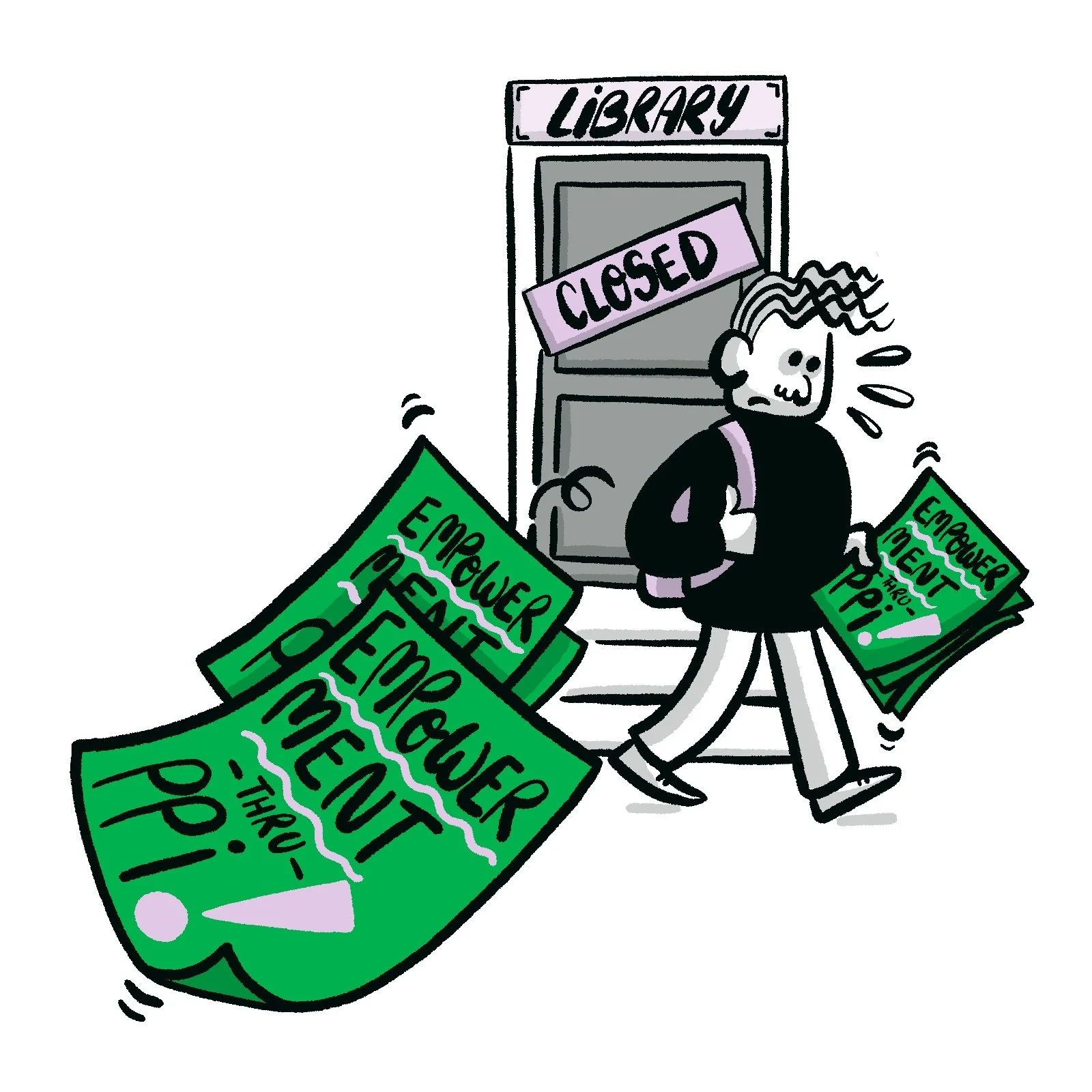
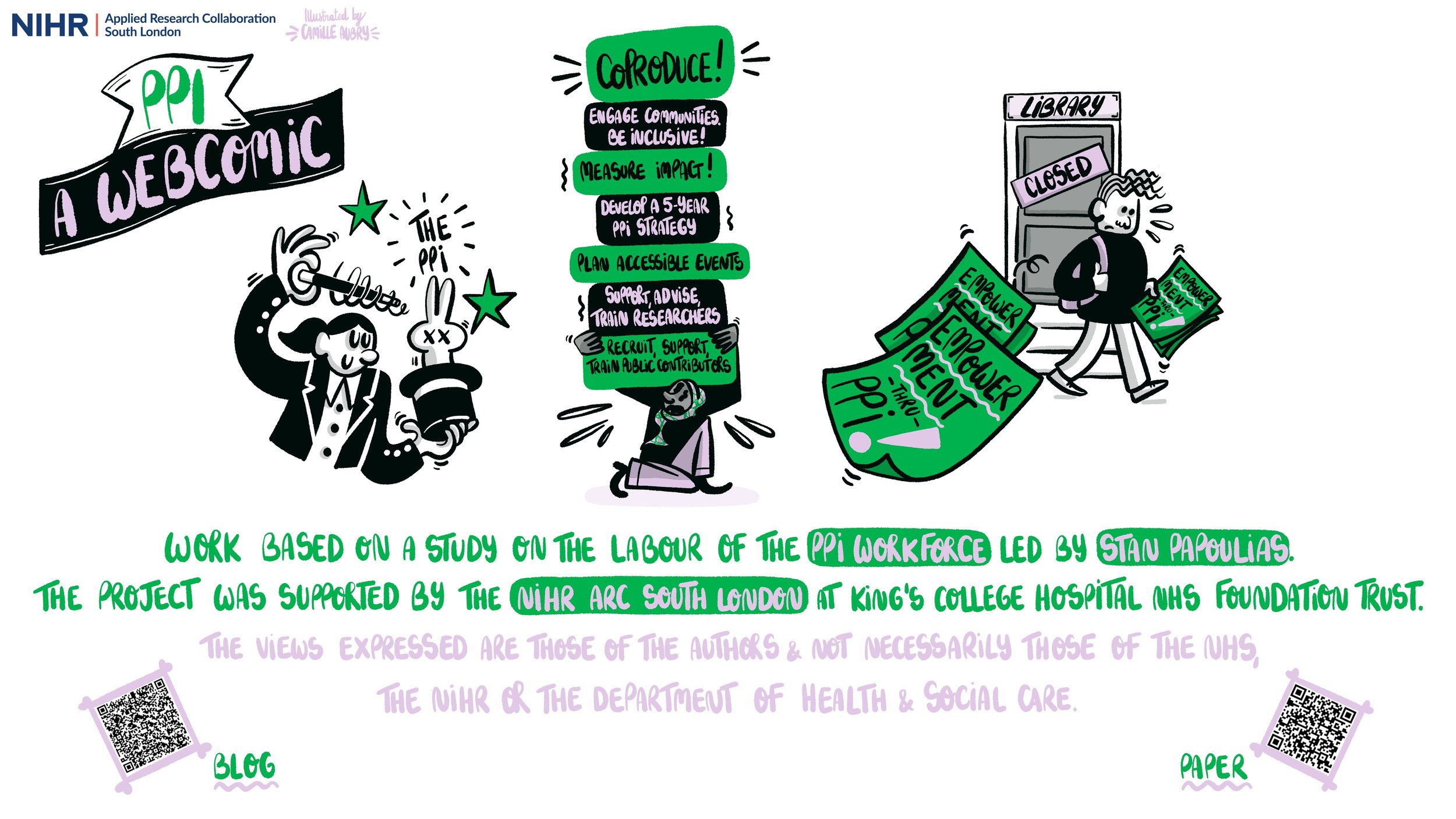
Patient & Public Involvement in Research: a Webcomic by Camille Aubry

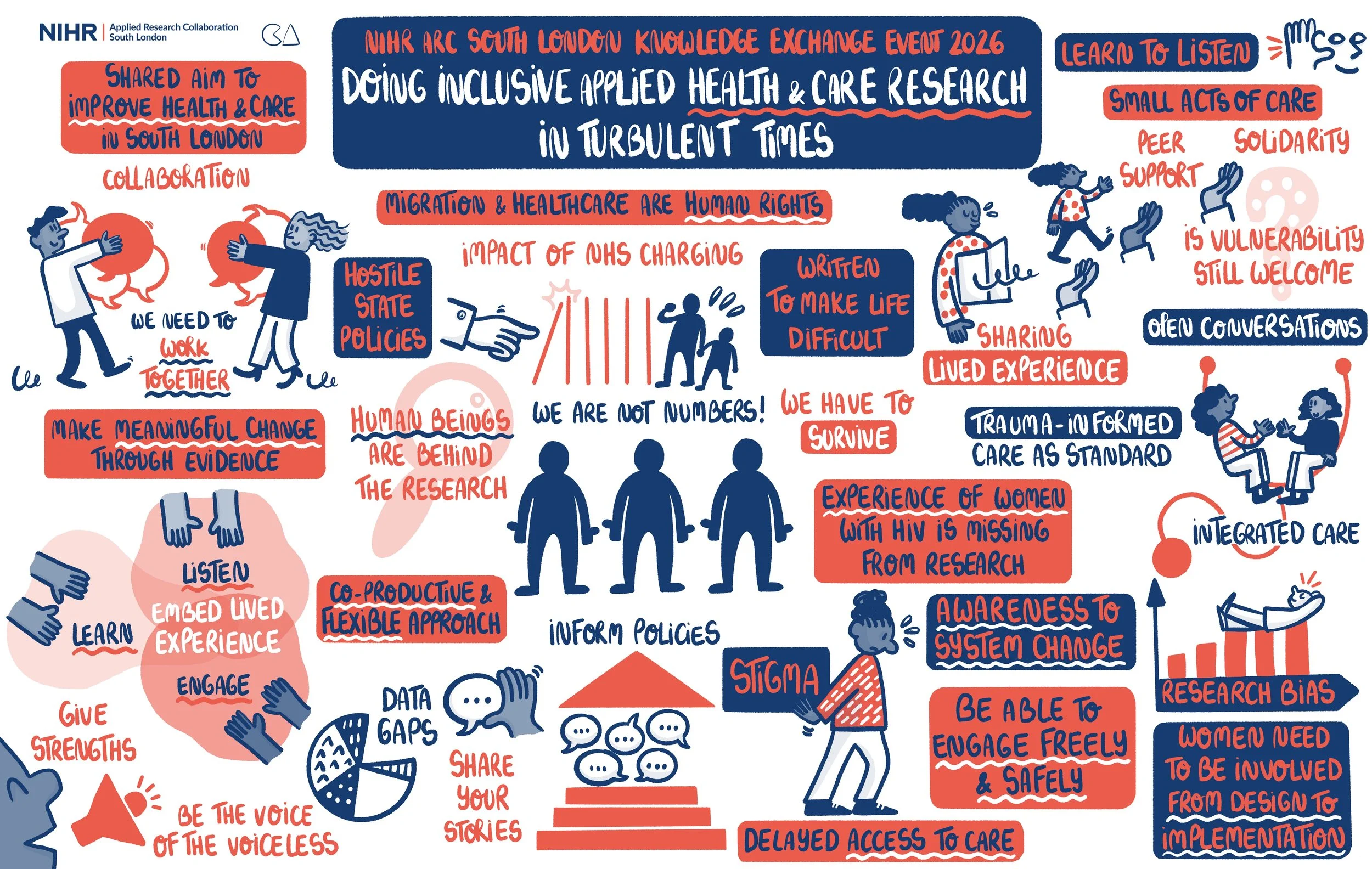
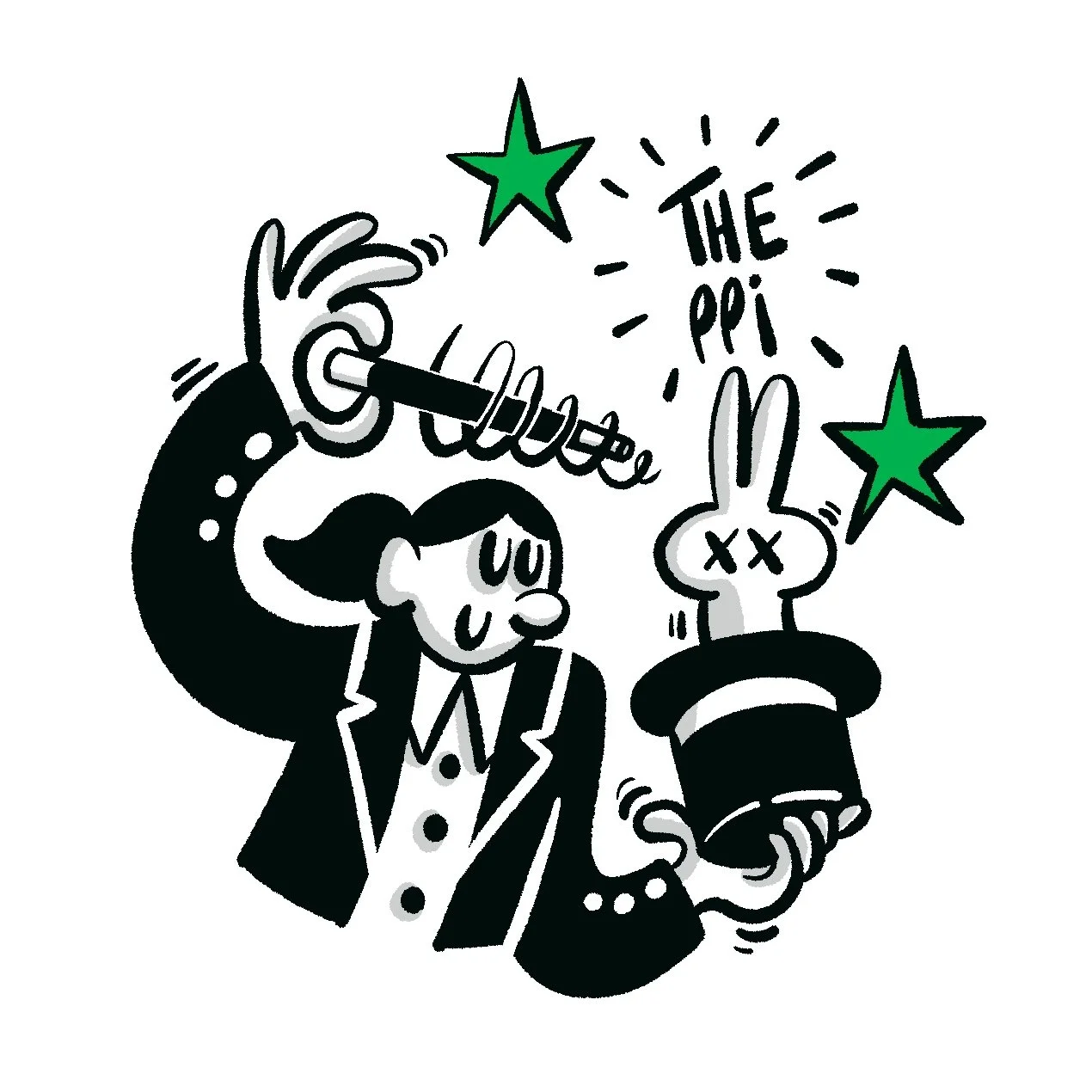
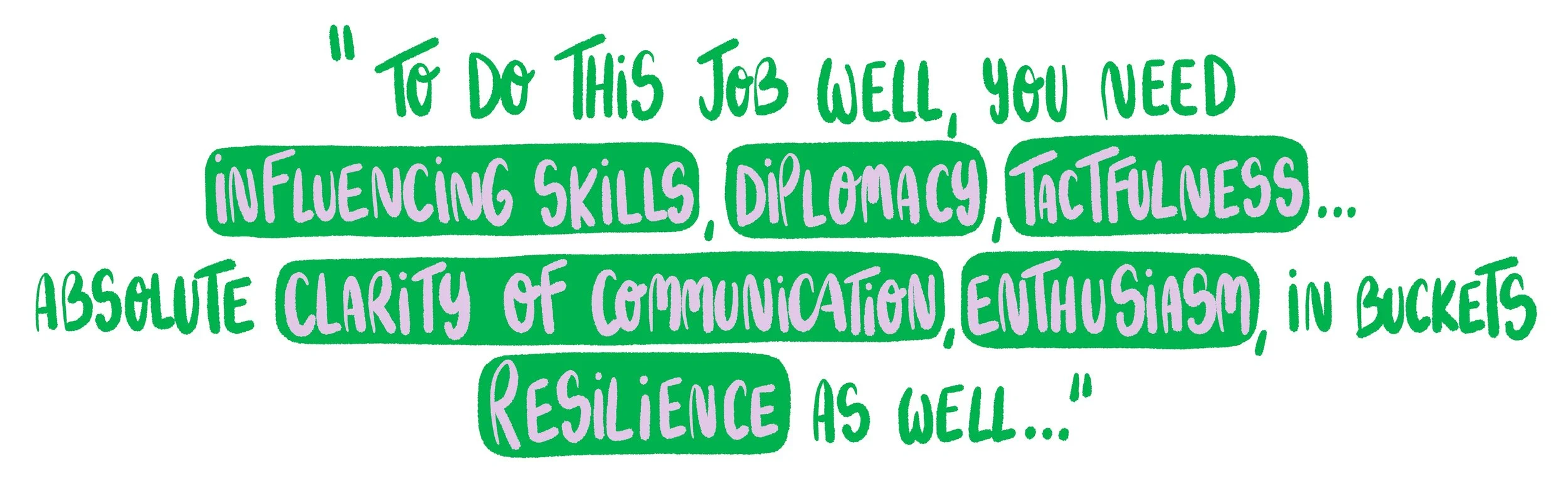
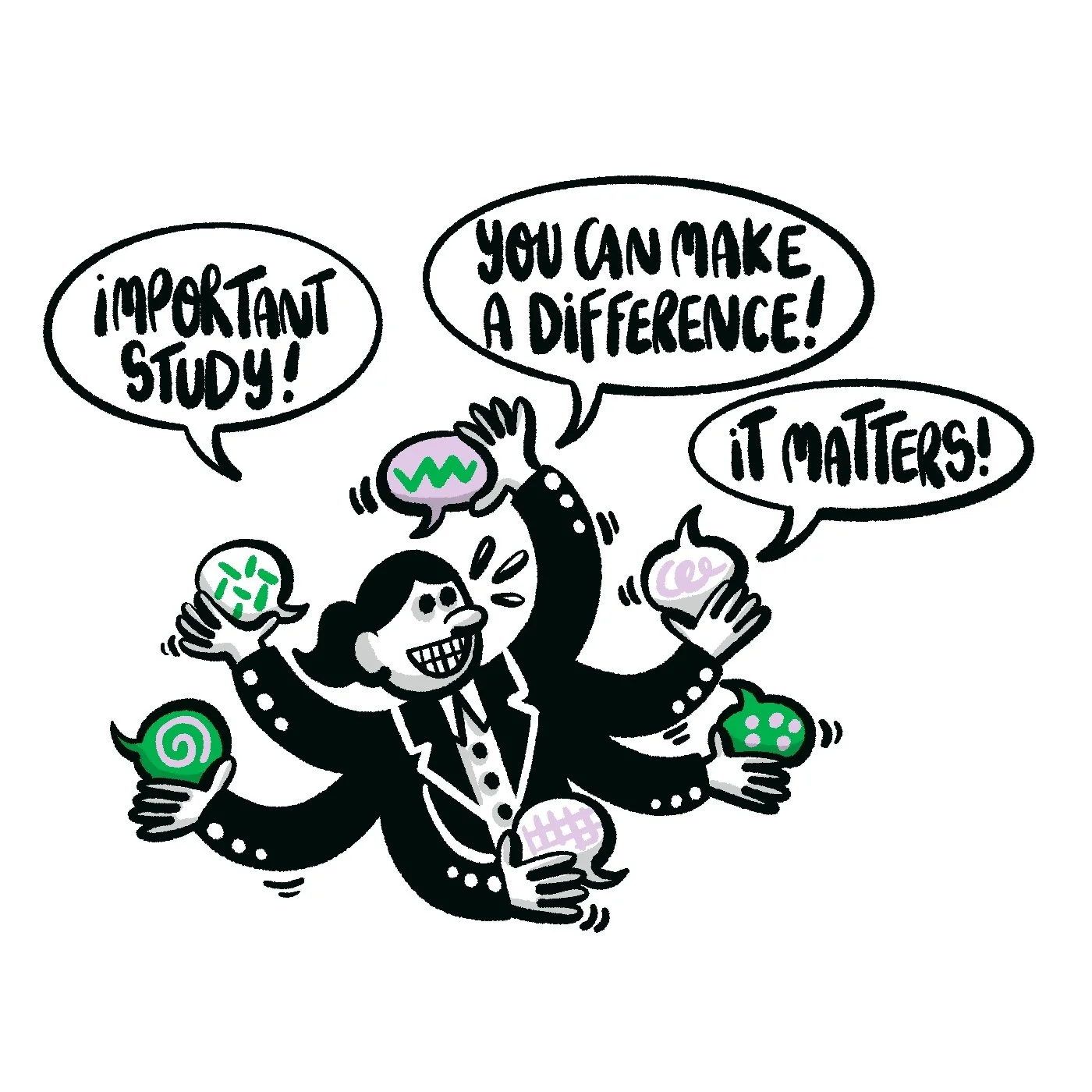
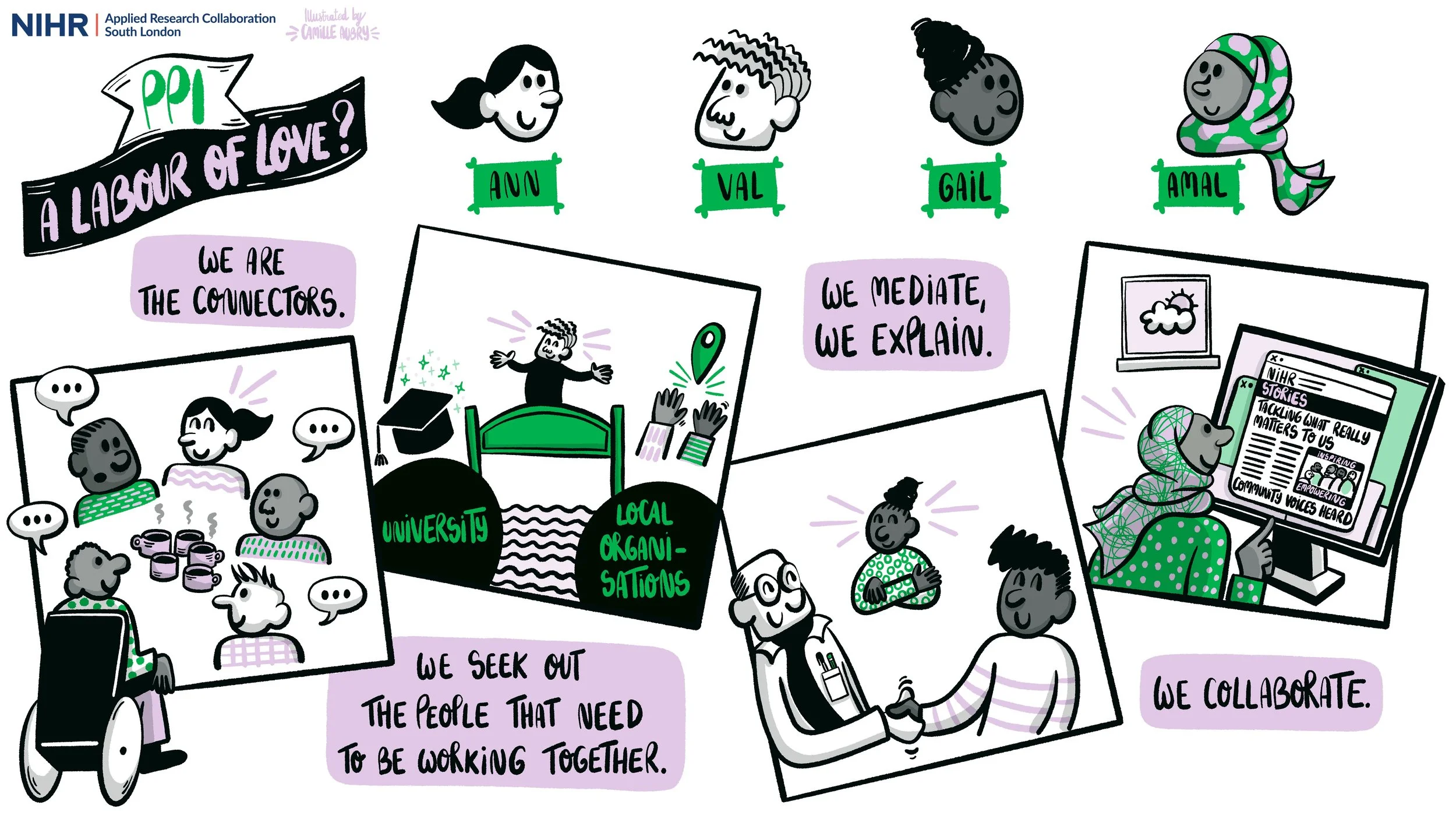
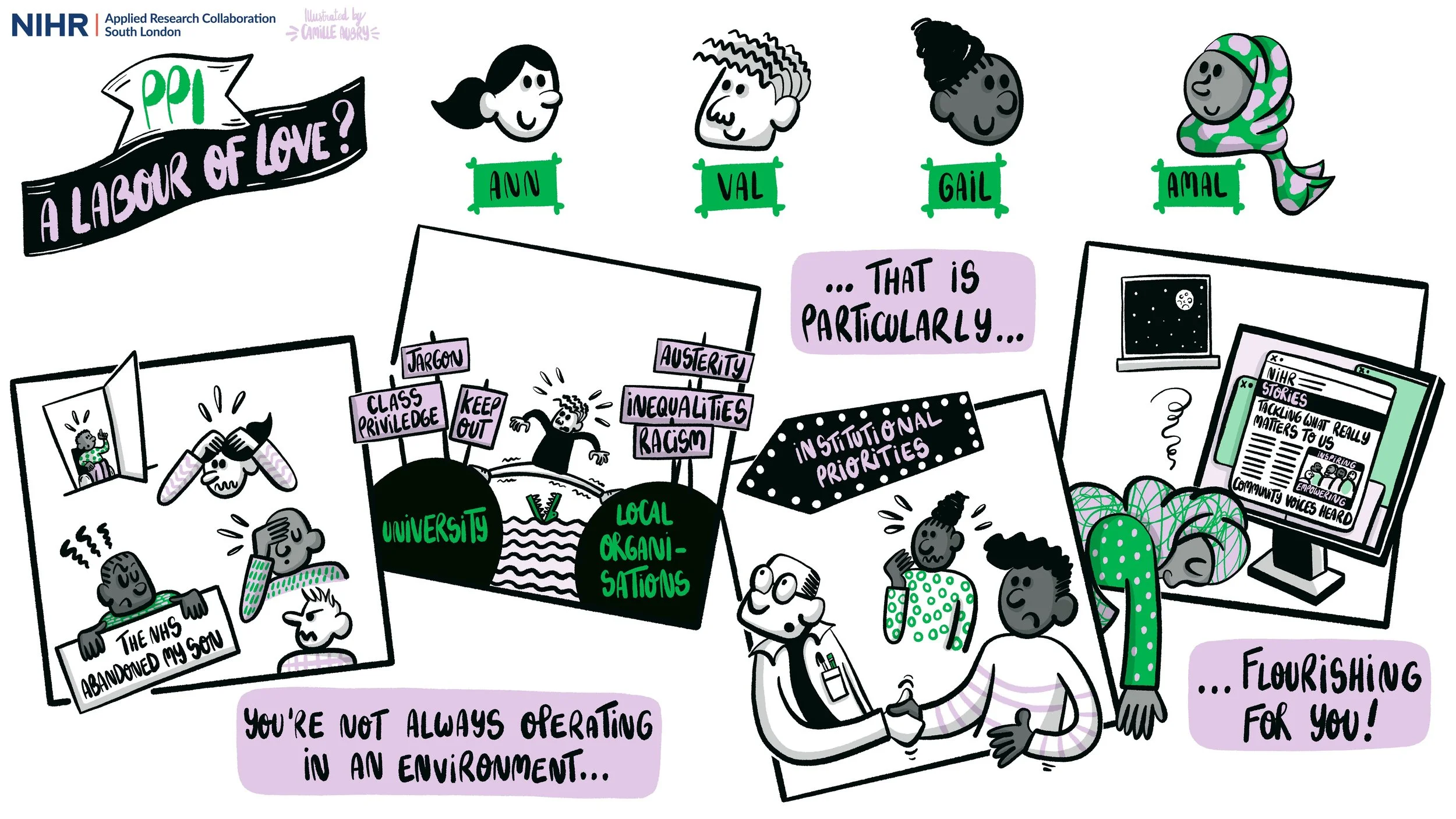
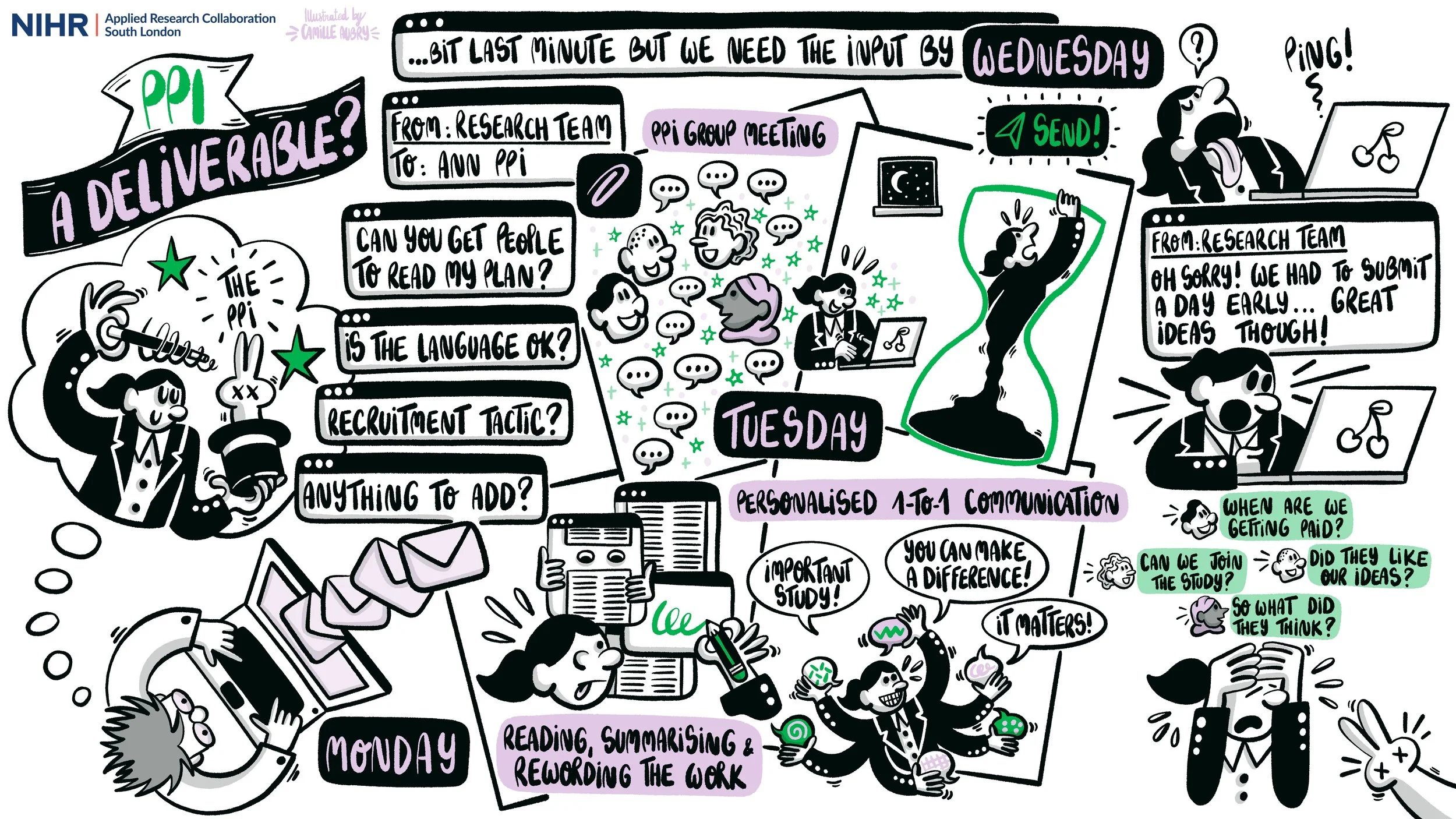
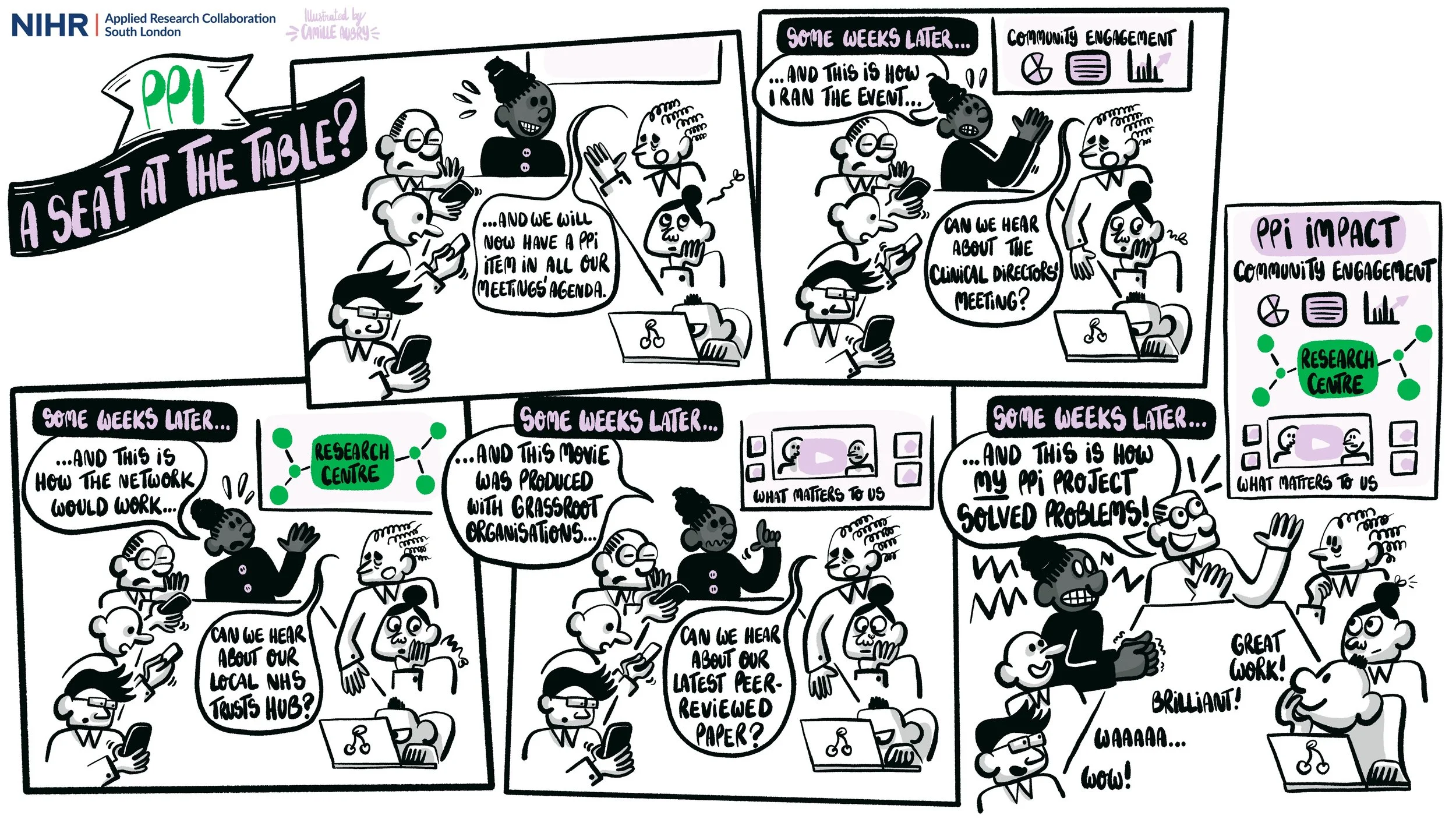
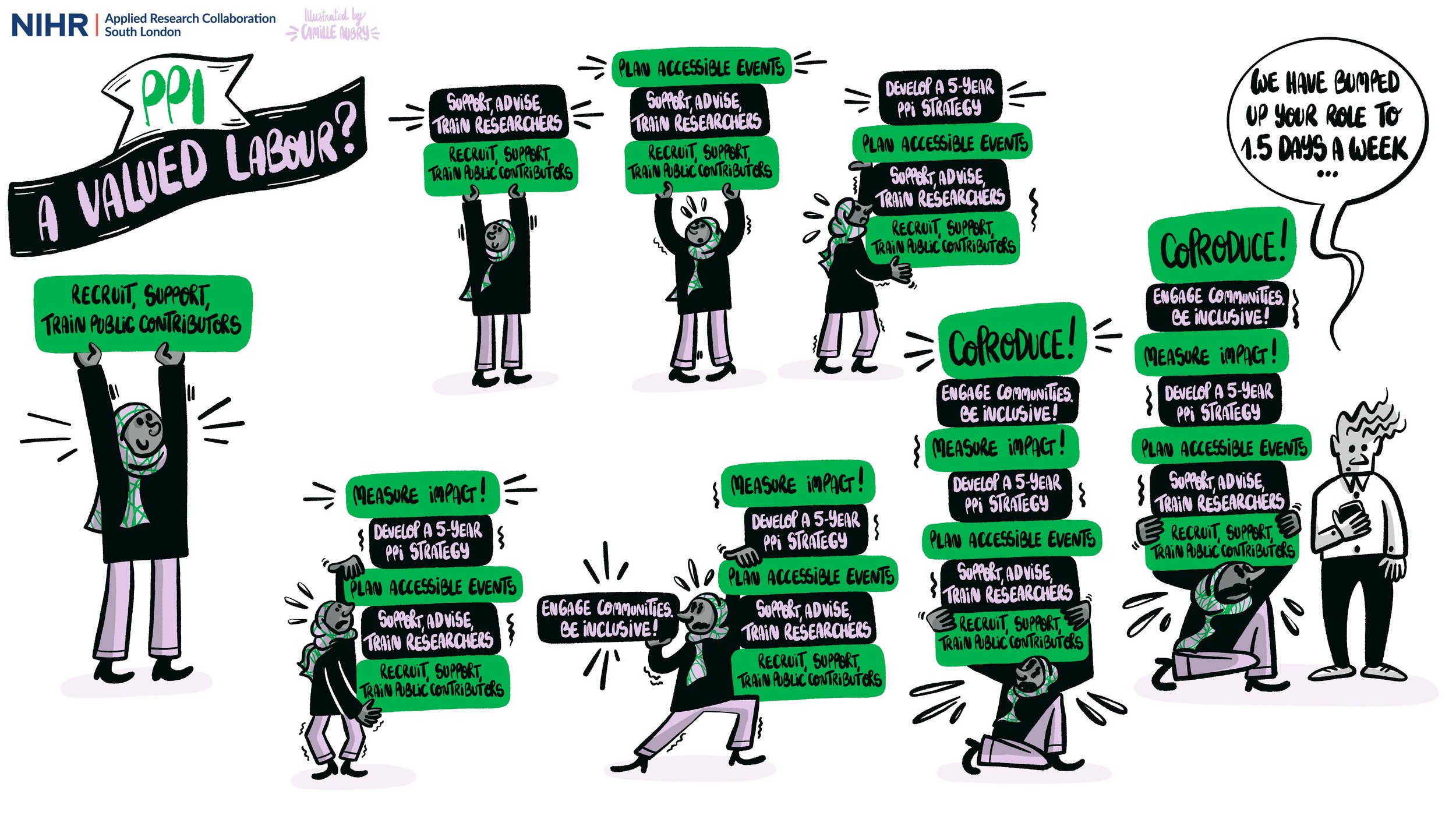
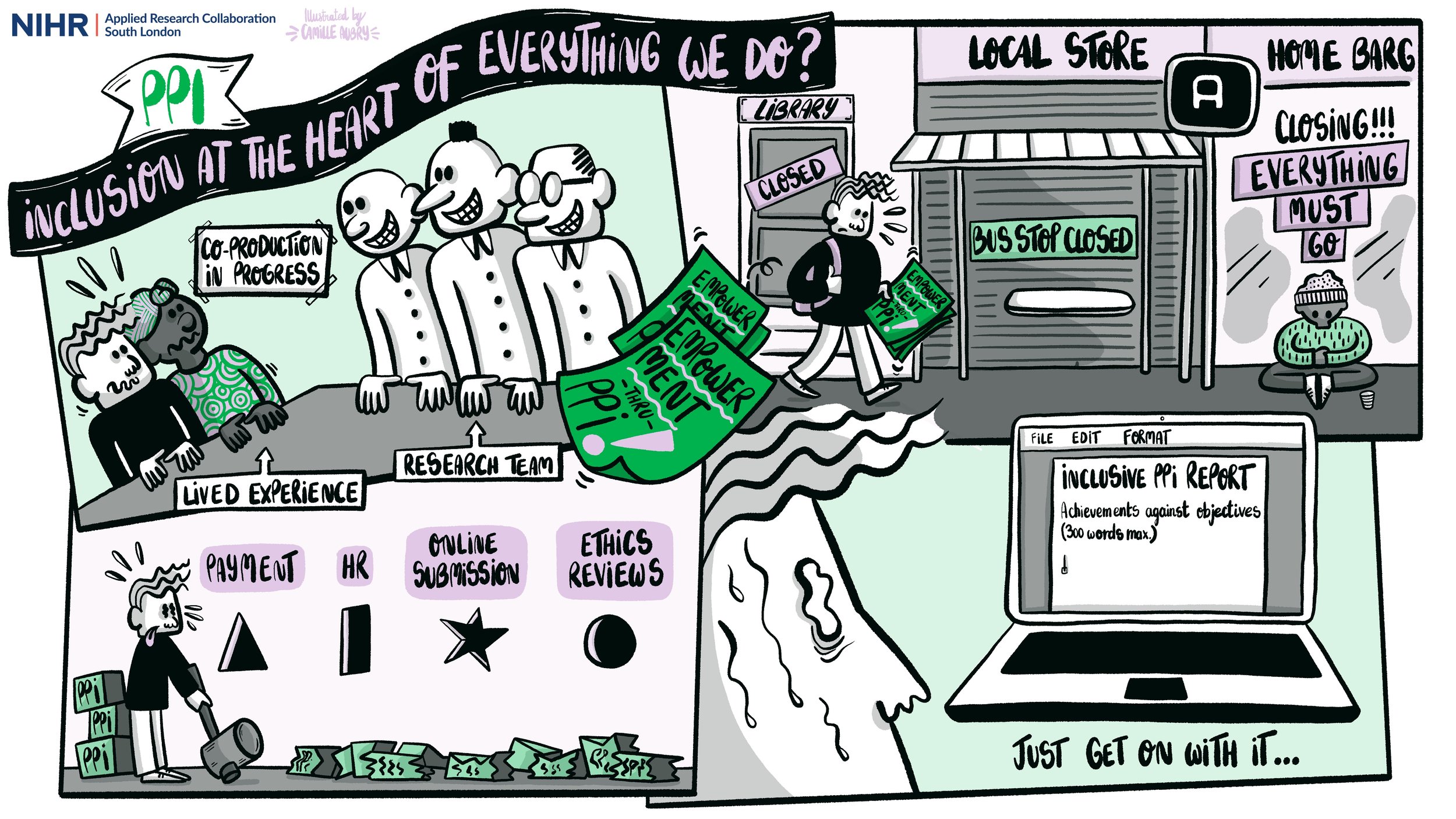
The National Institute for Health & Care Research (NIHR) defines Patient & public involvement (PPI) as research being carried out with & by members of the public rather than to, about or for them. In my practice as a (live & non-live) illustrator, I have the opportunity to take part in PPI projects and turn them into “digestible” visual summaries for a more accessible dissemination. Capturing the words of people with lived experience through sketchnotes can enhance (often marginalised) voices that need to be heard as they provide precious qualitative data to the research team. The PPI link professionals, disproportionately represented by women and people from the global majority, are thus the bridge between the team leading the project and the community tasked to ensure that the research doesn’t become a one-way extractive exercise and widen the gap between the research organisation and the participants.

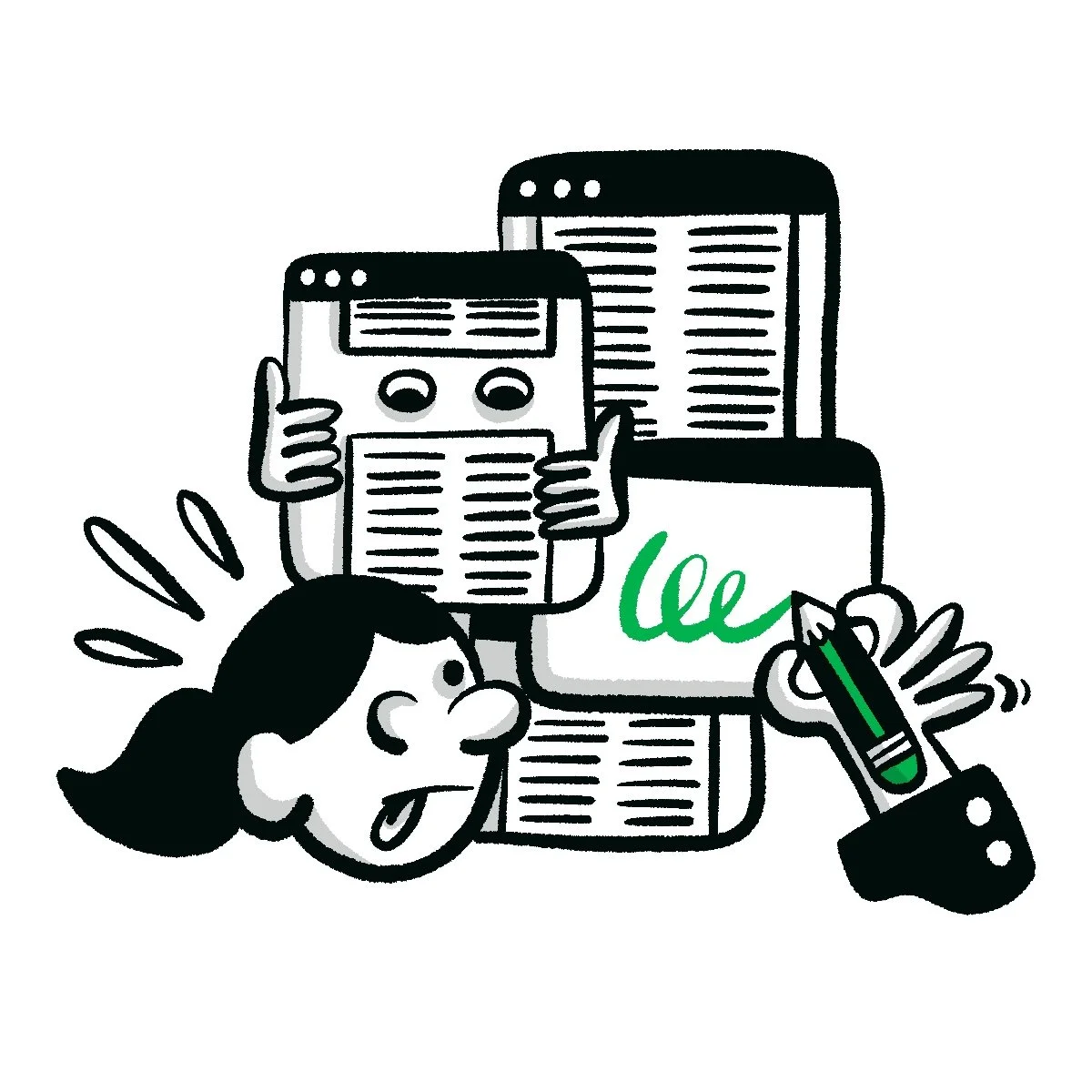
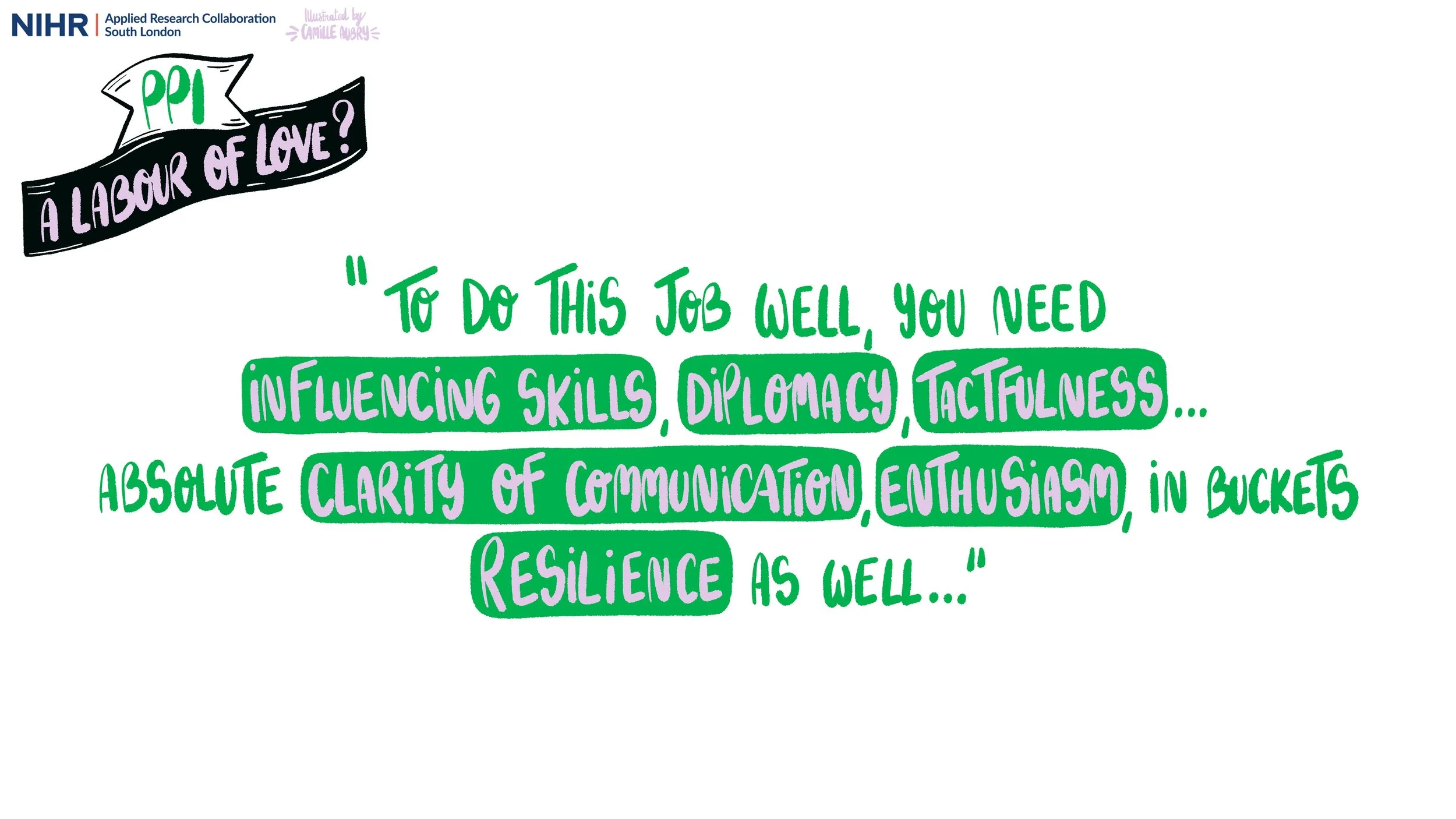
A recent study by Dr Stan Papoulias, PPI Research Team Lead at ARC South London, highlight the challenging conditions of the NIHR PPI workforce. They found that staff potential may be affected by a lack of recognition and poor understanding of their skillset. A receipt for disaster often leading to staff burnout and unrealistic demands to public participants, which in turn affects their trust in the research sector.

Dr Stan Papoulias commissioned me to turn their findings into a webcomic series published by NIHR, with the hope to facilitate conversations between researchers, public contributors, clinicians and PPI staff to enable a more empathic and sustainable relationship with the workforce. Find out more about this study here and read the webcomic series below and here.

Our vital Visual Arts ecosystem by Camille Aubry

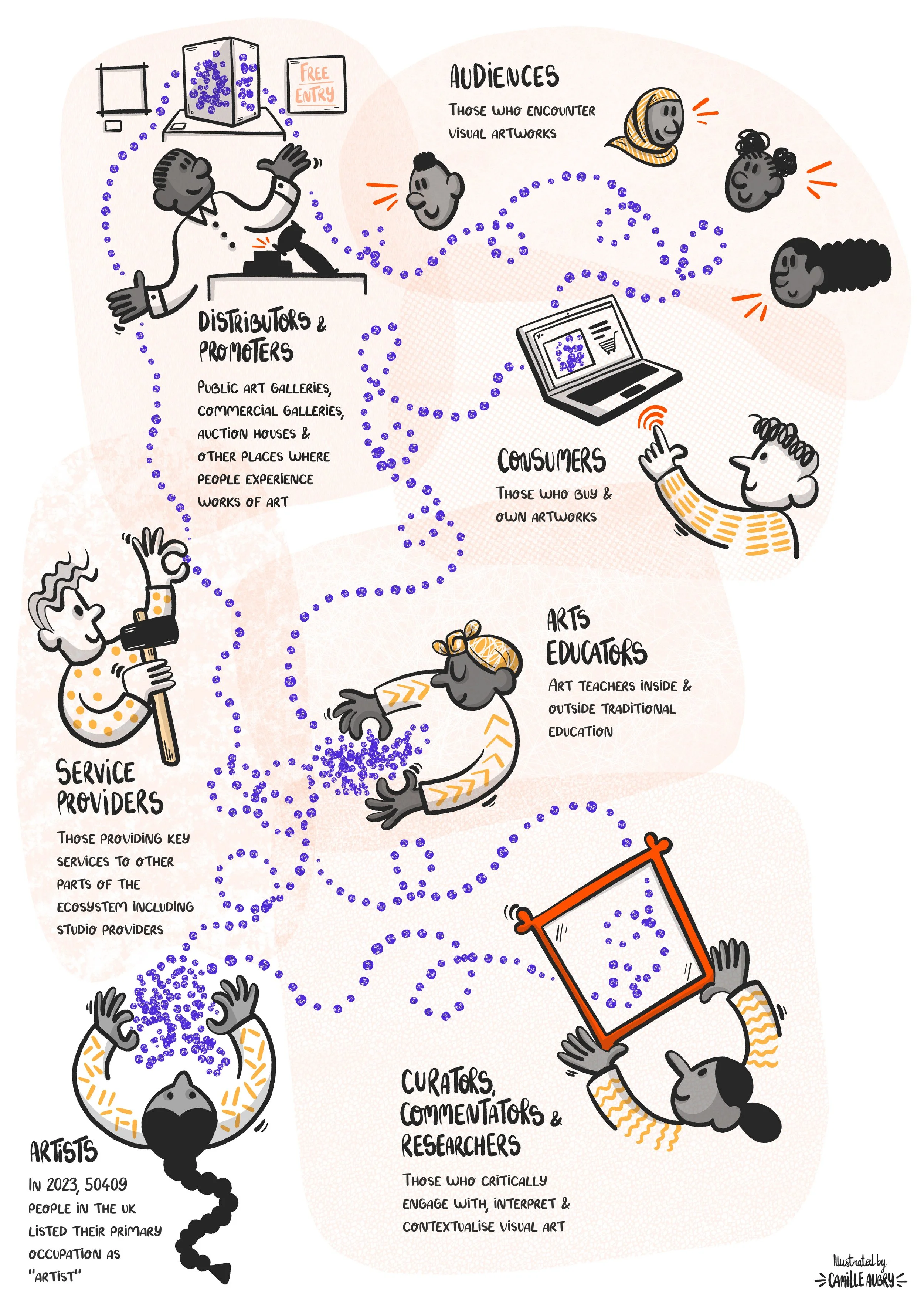
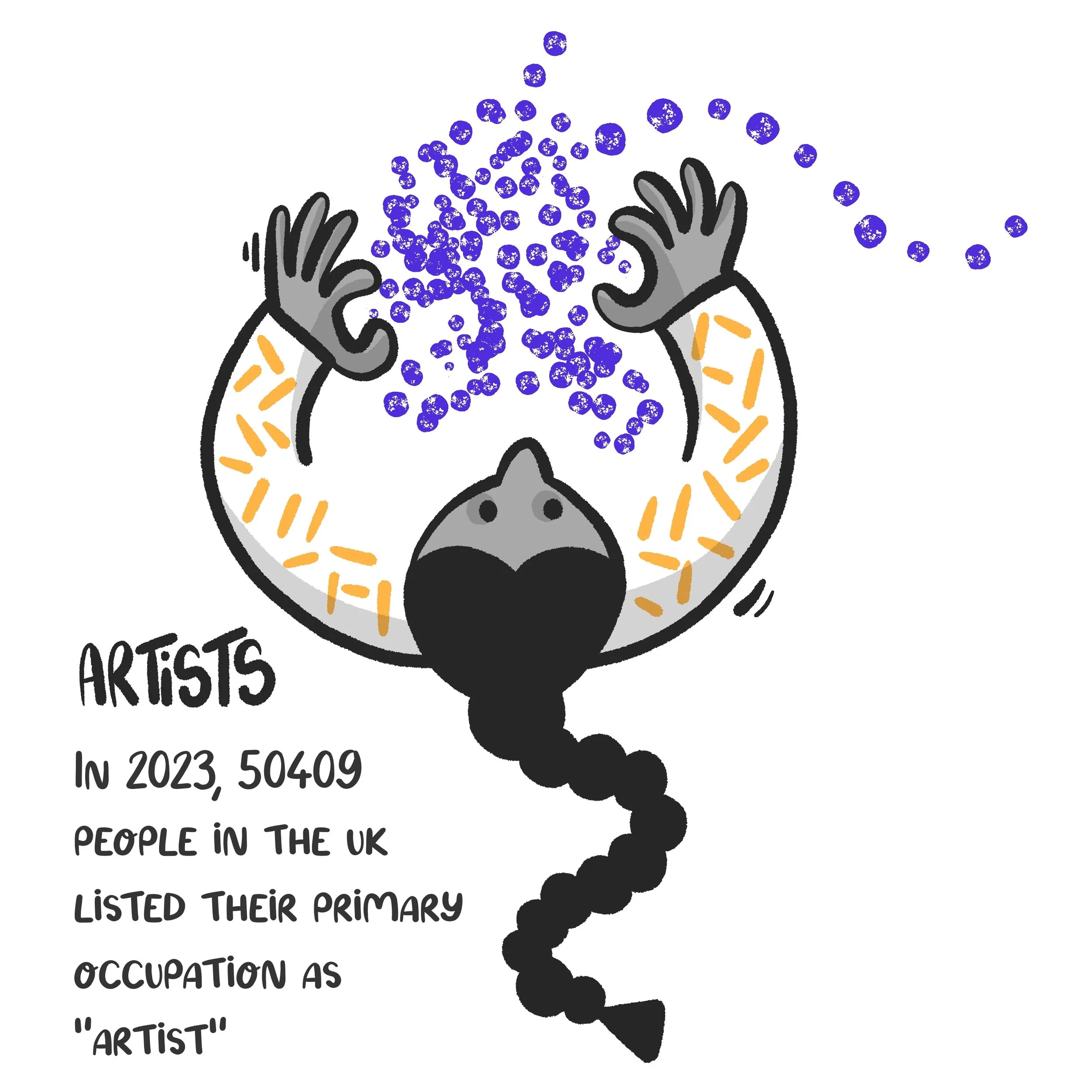
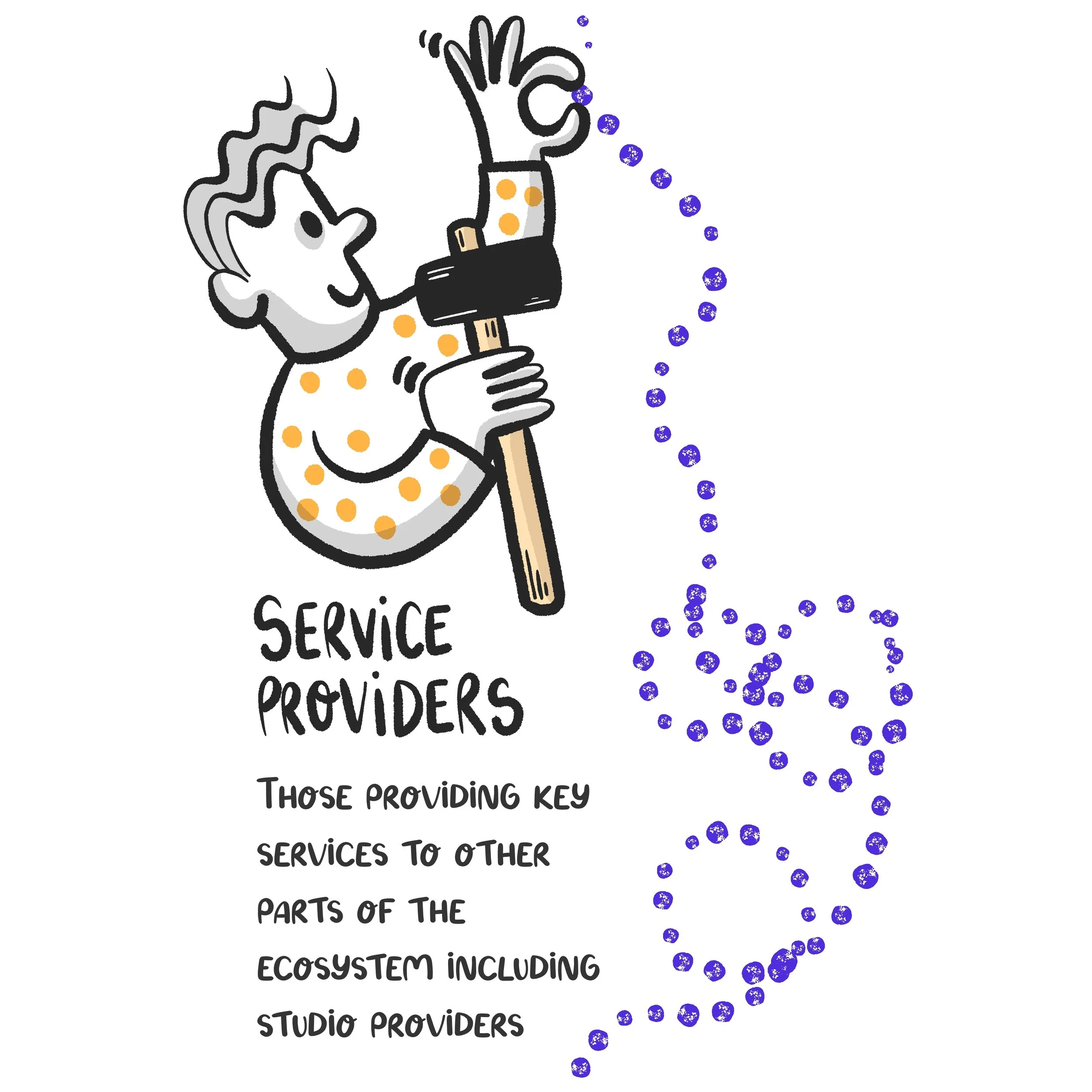
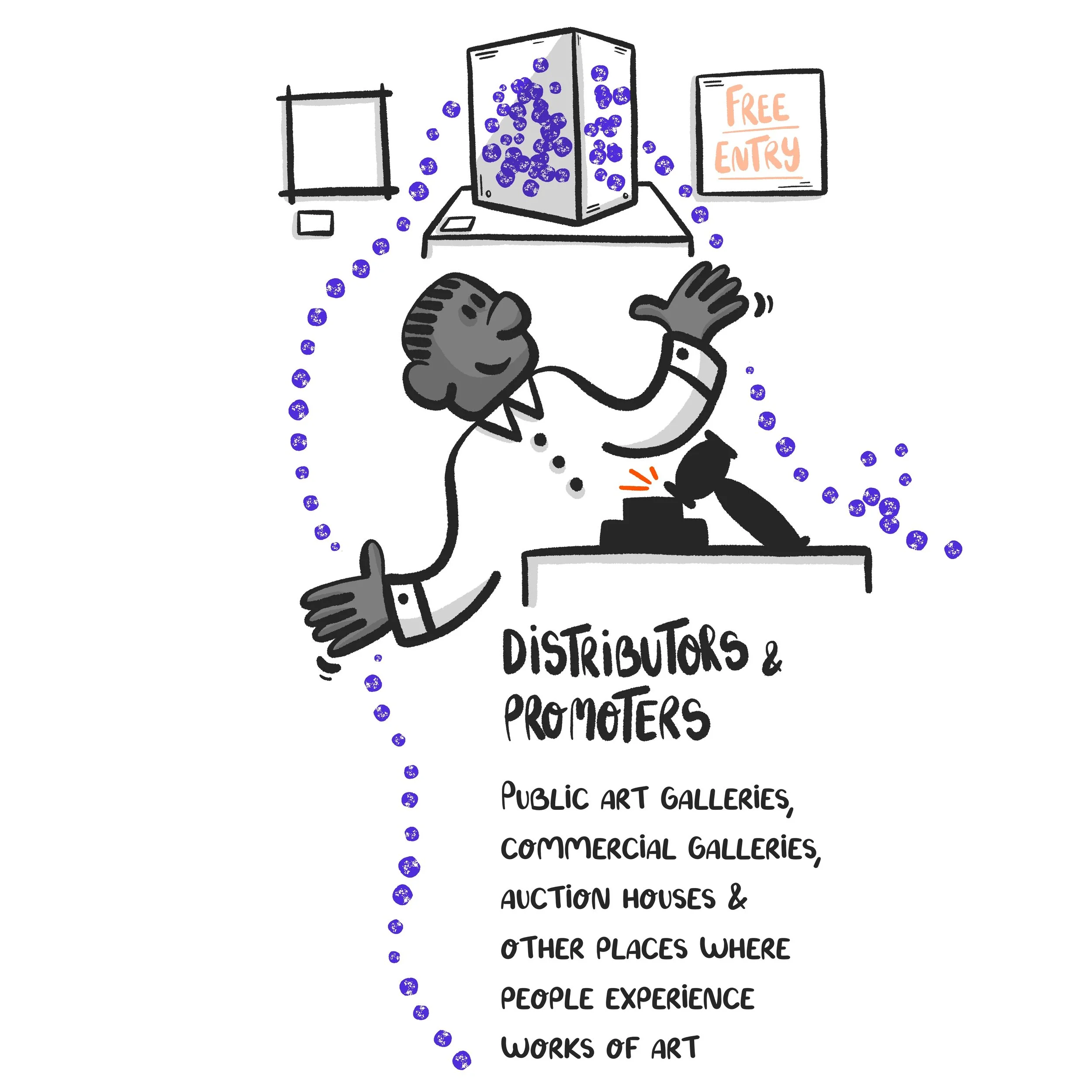
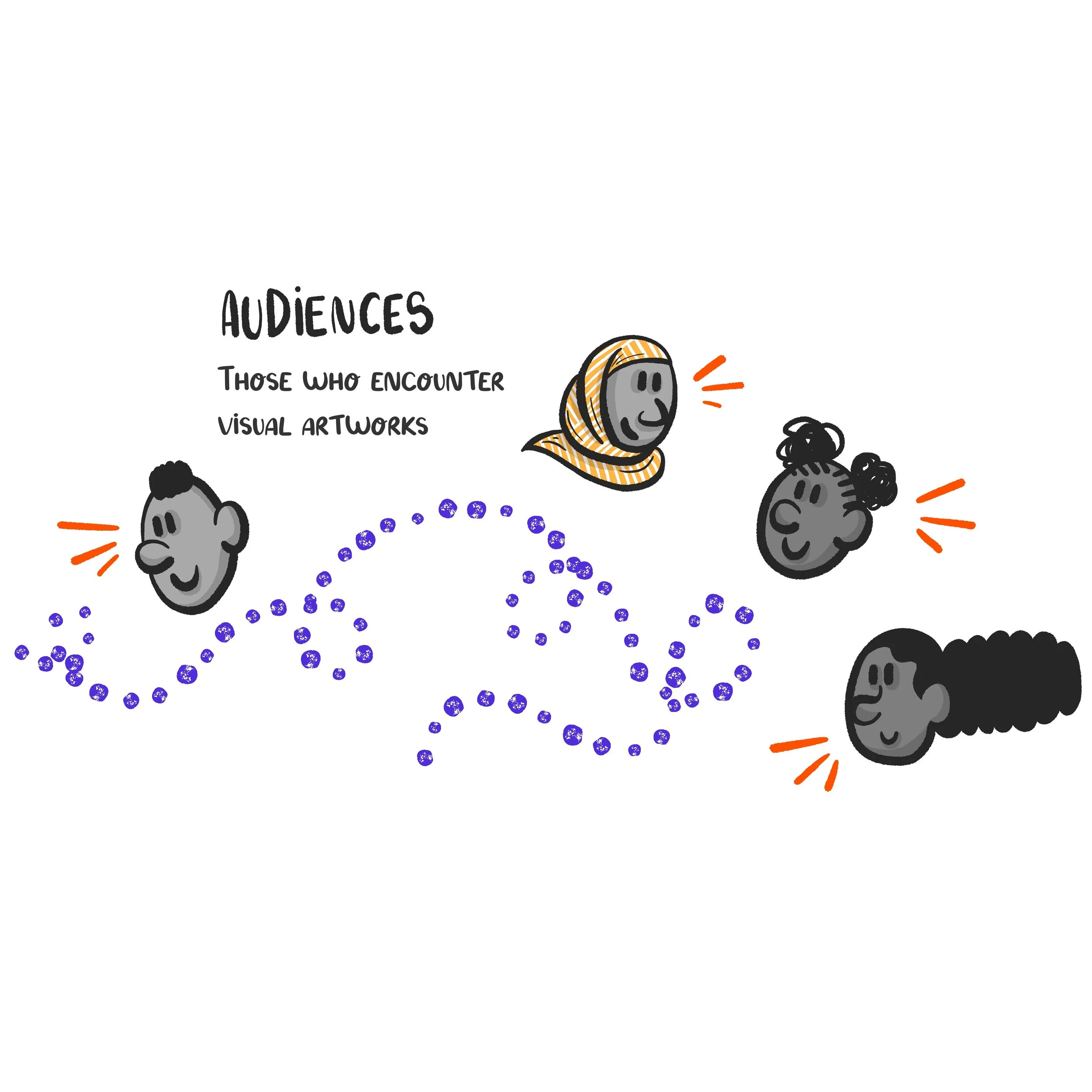
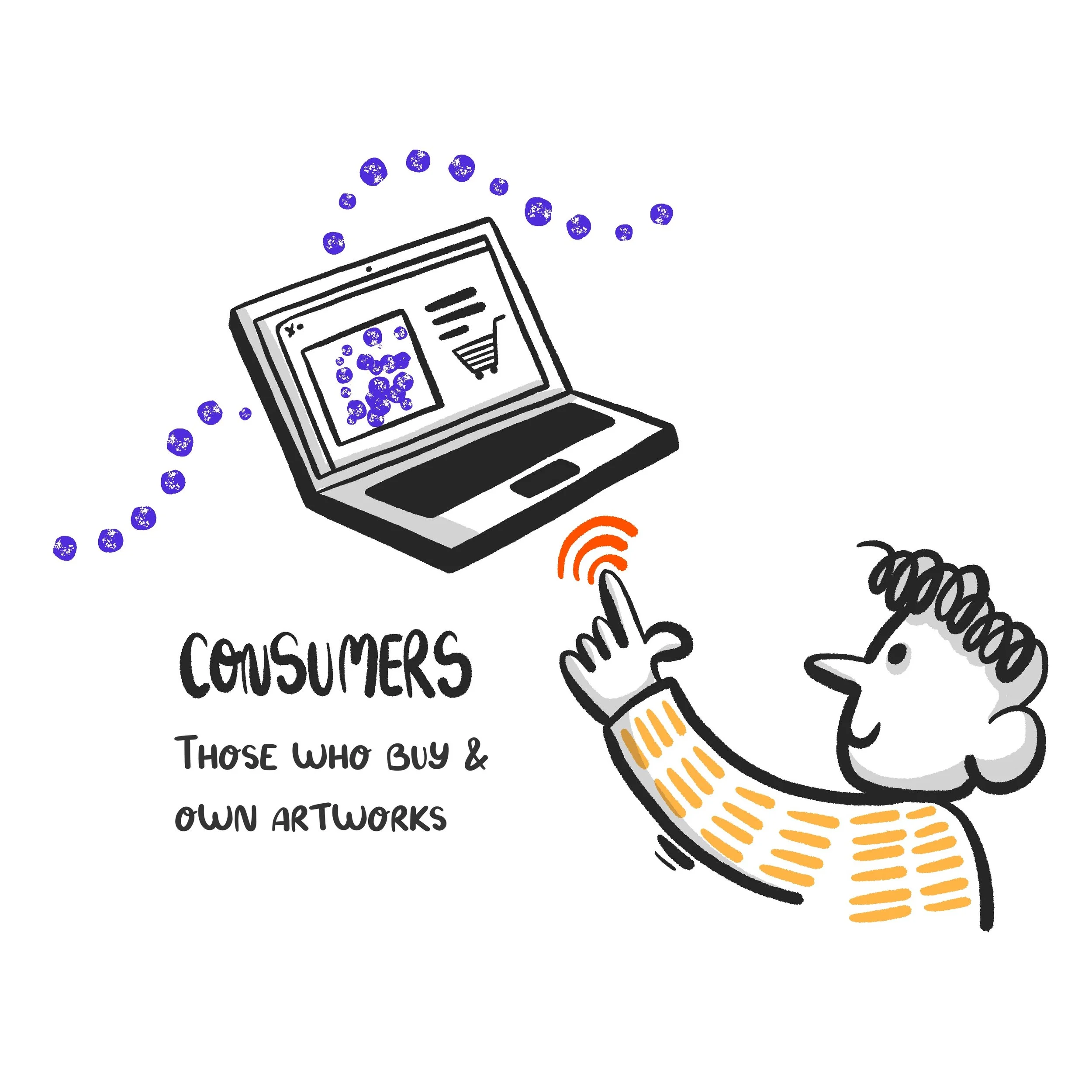
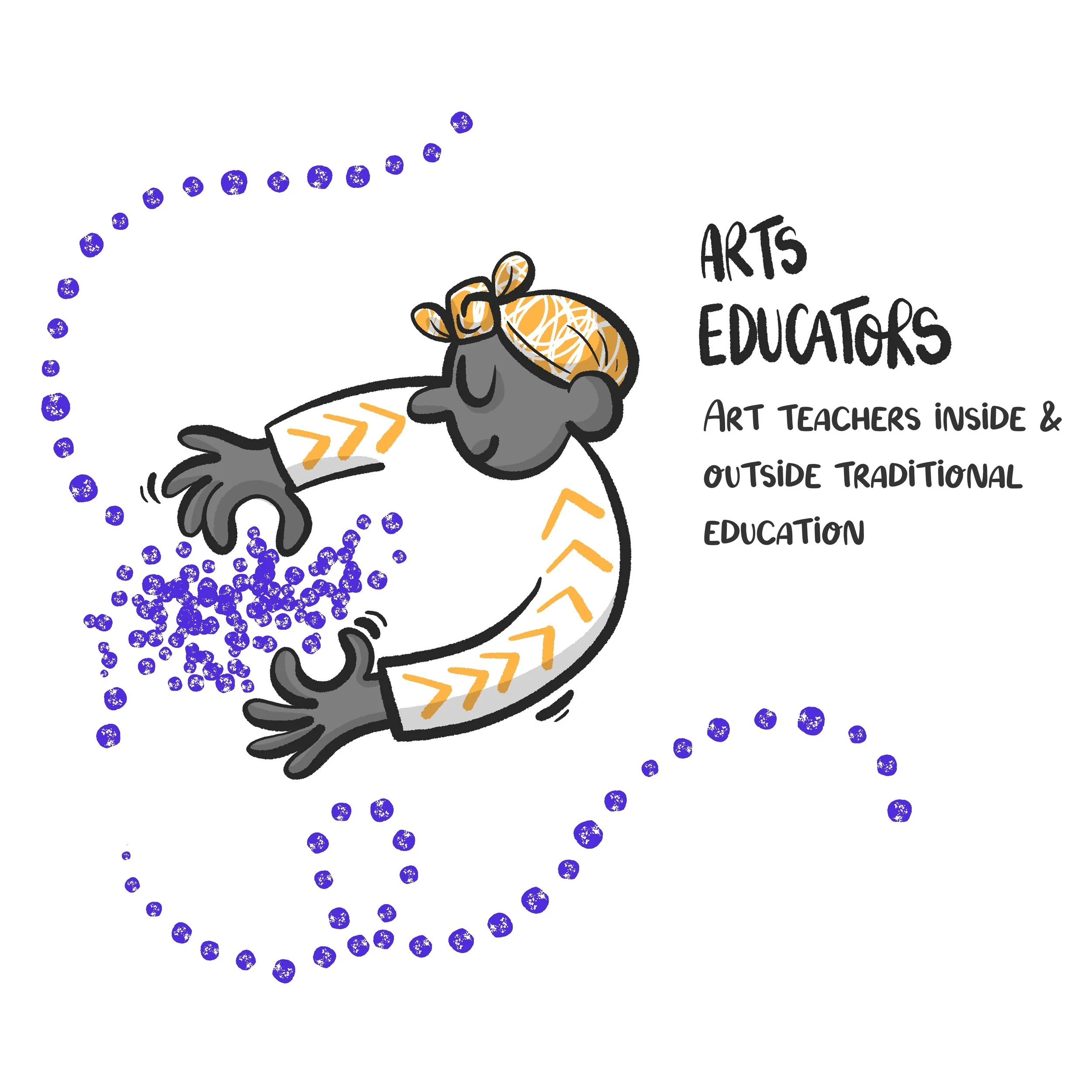
CVAN (Contemporary Visual Arts Network) is an organisation working in partnership with regions to campaign ad advocate for the visual arts sector at a national level. Alongside other creative industry partners they have commissioned the Framing The Future: The Political Case for Strengthening the Visual Arts Ecosystem campaign. This efforts states that the Visual Arts Ecosystem generates over £4.1 billions in exports annually, establishing the UK’s visual arts sector as a global leader and a vital part part of our national identity, creative economy and public life. Despite this value, the sector faces growing pressure, such as rising costs and declining education access to name but few. This new and essential report makes the case for investment in the upcoming Comprehensive Spending review in June, offering a renewed vision for investing in the visual arts ecosystem.

I was very pleased to be commissioned by CVAN to illustrate the report and visually conveying the pervasive aspect of our precious but fragile Visual Arts Ecosystem, to be protected at all costs.

You can find out more about the campaign here and download the report here.

GPs at the Deep End by Camille Aubry

One year ago I started working with the fabulous team of GPs and researchers at the heart of the initiative GPs at the Deep End for South West England. The first 2025 gathering took place in March and I had the pleasure to be invited to live illustrate the event.

At the core of GPs at the Depp End lies the belief that disadvantaged areas should received the best care for their too often excluded patients. Burn-out and clinician retention are important issues and the network create a supportive community and provide research opportunity to improve care in these areas.

My collaboration with GPs at the Deep End is one I truly enjoy as an equitable and accessible healthcare is one of our society main challenge to work towards social justice.

Here is the timelapse of the live illustration process, a good illustration of how unpredictable live capturing can be… In this case, both the canvas size ratio and colour palette changed during the session!!
On researching antimicrobial resistance by Camille Aubry

As an illustrator I have the pleasure to collaborate with researchers on creating digestible visual summaries of their projects. Drawings are a good way to make research more accessible to the wider public and expand their reach.

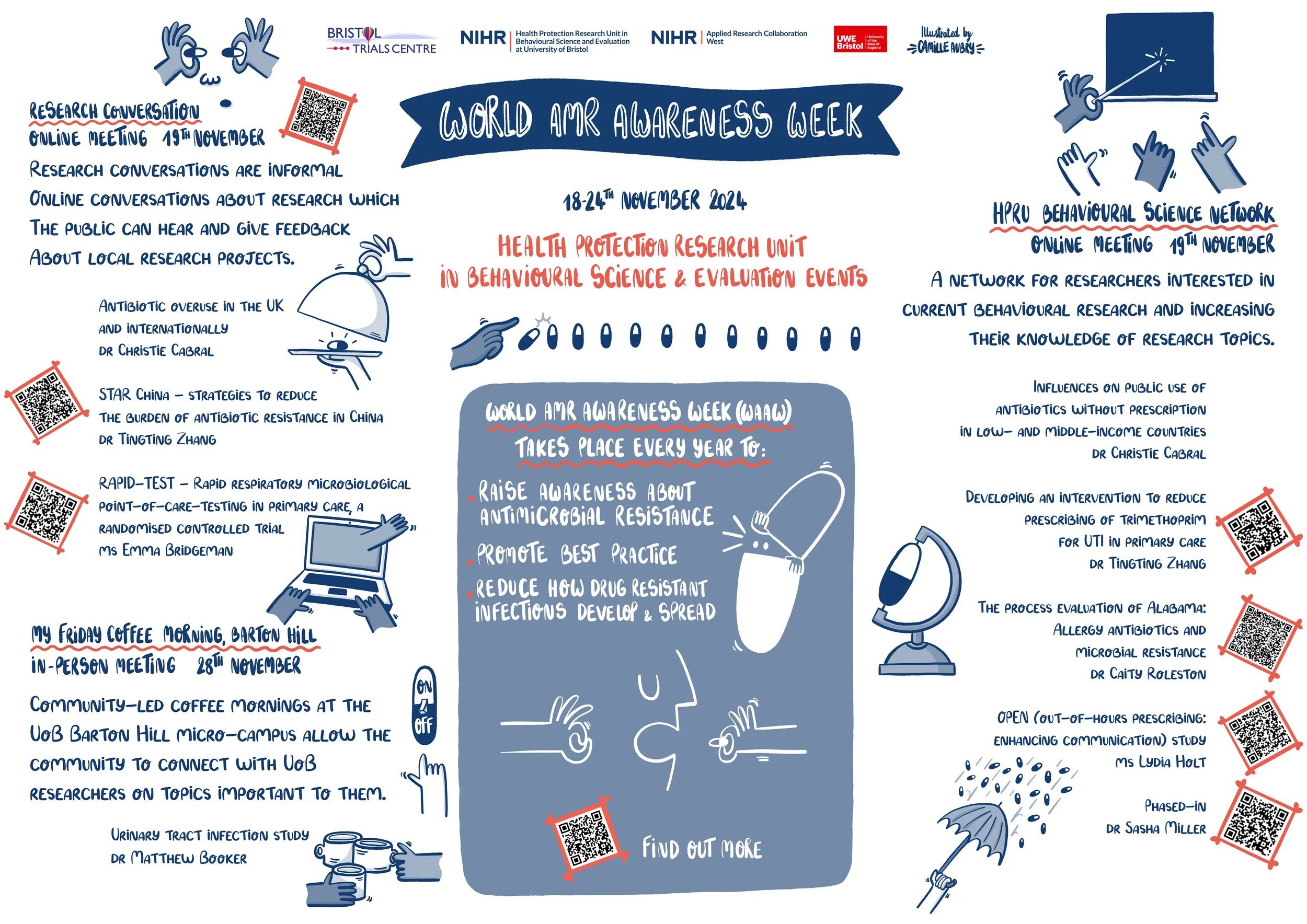
Recently I worked with a team at NIHR HPRU in Behavioural Science & Evaluation at the University of Bristol on their contribution to the next World Antimicrobial Resistance Awareness Week. This annual global campaign aims to raise the awareness of antimicrobial resistance and understanding how drug resistant infections develop and spread.

Intense fascination Beyond the Spectrum by Camille Aubry

I was honoured to be invited to live illustrate Beyond the Spectrum’s first digital festival of autistic writing on Saturday 29th March: Intense Fascination.

Beyond the Spectrum is a national creative writing programme for autistic & neurodivergent writers, hosted by Writing East Midlands. They are currently delivering 14 writing groups led by autistic writers.

The festival’s name ‘Intense Fascination’ recognises that what is usually referred to as ‘special interests’ or ‘hyperfixations’, that are part of the neurodivergent lived experience, is also part of the creative process. The event was, first and foremost, a celebration of autistic creativity, gathering academics, writers , publishers, comedians and triggering fascinating conversations that were a joy to capture with illustrations.

More about Beyond the Spectrum here.

Supporting young people to take the lead by Camille Aubry

I have had the pleasure to collaborate with community research and social innovation organisation Young Foundation for a couple of years. Last month they facilitated the Peer Action Collective (PAC) Away Day in Manchester, an opportunity for the project’s delivery partners in England and Wales to come together and share their experiences of supporting young leaders. They find themselves in the unique role of supporting young people as youth workers, but also as career mentors. Through the PAC network, young people with lived experience of violence are working to make their community safer, fairer places to live.

On that day the PAC delivery partners took the time to reflect creatively on their practice and impact on the lives of the young people they work with. I am so grateful to have been invited to listen and live illustrate their engagement, care and passion, as well as to be given the opportunity to enhance their commitment to ensure that young voices respond to issues that directly affect them.

Find out more about this beautiful project here.

ON MIGRANT HEALTH by Camille Aubry

Back in Autumn I was invited to live illustrate two World Cafés sessions exploring migrant health research priorities with members of the community. I was very grateful to be able to listen and capture these discussions proposing creative and impactful ideas on research priorities. The public contributors generously shared their lived experience and hope for the future where connection and accessibility are at the core of health research, principles are crucial for and inspiring beyond the migrant community in Bristol.

In hope of a Fair and Equitable National Care Service by Camille Aubry

The Care Worker’s Charity strives to empower the incredible individuals in social care. Just before Christmas, they hosted a series of roundtable discussions on the National Care Service (NCS) and Fair Pay Agreement. The NCS being one of the new government’s manifesto pledge, the newly formed Care Worker Advisory board is ensuring care workers’ voices are central in shaping the future of social care, bringing together a diverse range of stakeholder including care workers, sector leaders, providers, suppliers, unpaid carers and people who draw on social care.

Together, they identified key priorities to shape the success of the NCS, such as funding, better pay, training and collaboration. Above all, social care must be valued as its own sector with independent funding.

I was honoured to be invited to capture these fascinating and eye-opening discussions with live illustrations.

Bridging education & business and redefining what work means by Camille Aubry

As 2024 draws to a close I feel very grateful for another year full of exciting and meaningful illustration projects. I haven’t been able to share them all just yet but here is a bit more about my last live illustration session of the year for The Mead Educational Trust.

TMET exists to make a positive difference to the life chances of children and young people in Leicester. The multi-academy trust organised an all-day workshop last week, focused on building strategic partnerships to benefit Leicester’s students and local economy. The day featured fascinating discussions, idea-sharing and the development of collaborative projects at addressing city-wide priorities, including mentorship programs, work placements and effective career education.

There was a true buzz of energy in the room, that I joined remotely, where the wellbeing of young people was at the heart of every conversation. Redefining success and the notion of work were, in my humble opinion, some of the most impactful and inspiring ideas. It was a pleasure to capture this day with live illustration. Find out more about TMET’s #MEAD2030 here.

Creative Pedagodies in Education by Camille Aubry

As part of the development of their offering to schools across the UK, change-making research centre Story Makers wanted to visually express how they can support the education system. The brief was to represent the ecosystem of this Creative Pedagody offering, highlighting where research and practice can connect and rewild the curriculum.

I took the concept of “ecosystem” literally and created a school project-like diorama to represent the different layers of support Story Makers can offer to various education institutions and professionals.

I have truly enjoyed collaborating with Story Makers for a while now, and am very grateful to take part in projects that align with my values of supporting the holistic learning and wellbeing of children through the arts.